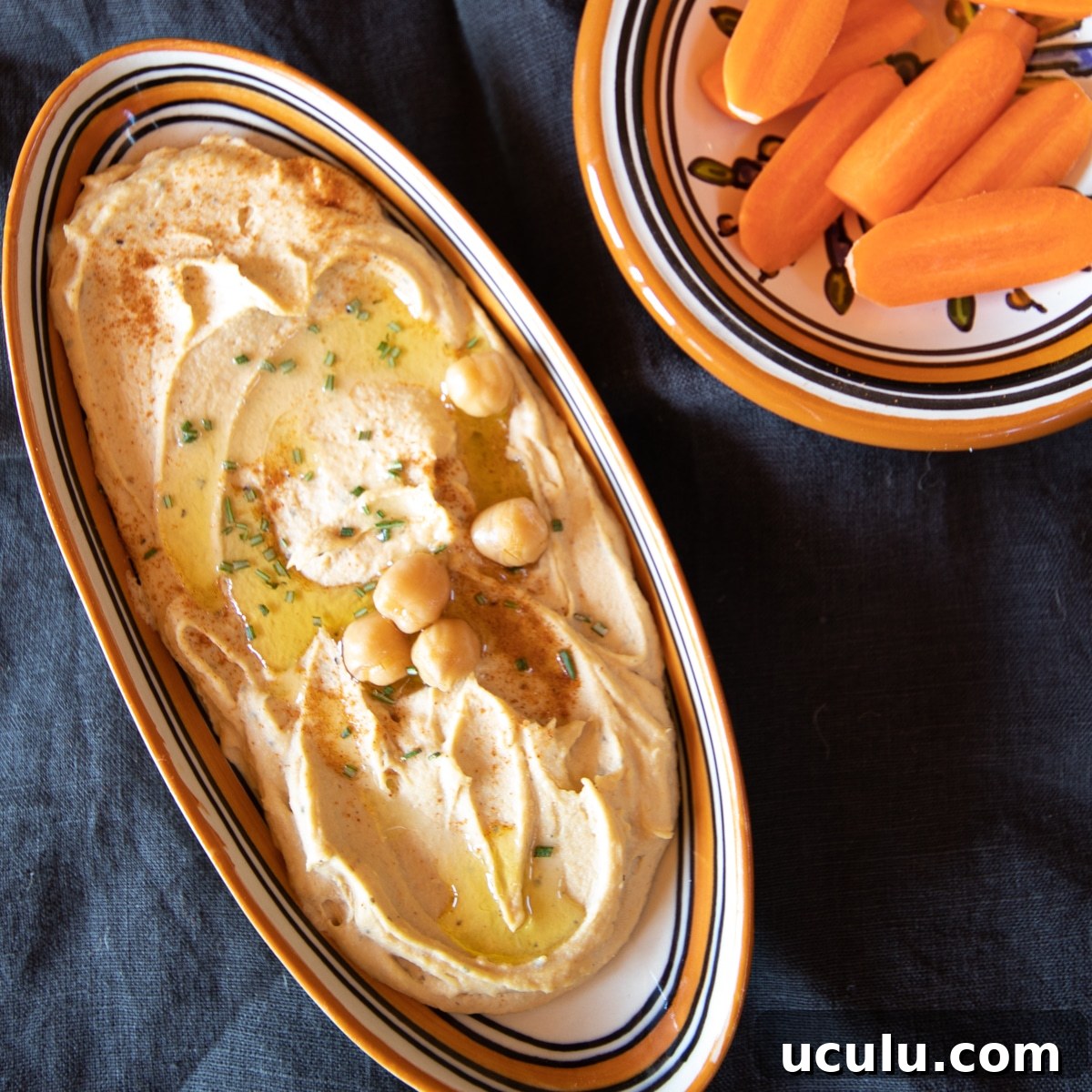
Make this creamy hummus with just six main ingredients (salt, pepper and water not included). Follow the simple tip below for a reliably smooth texture.
This recipe takes about 20 minutes from start to finish and works well as a veggie dip, a sandwich spread, or served with warm naan or pita at dinner.
Jump to Recipe
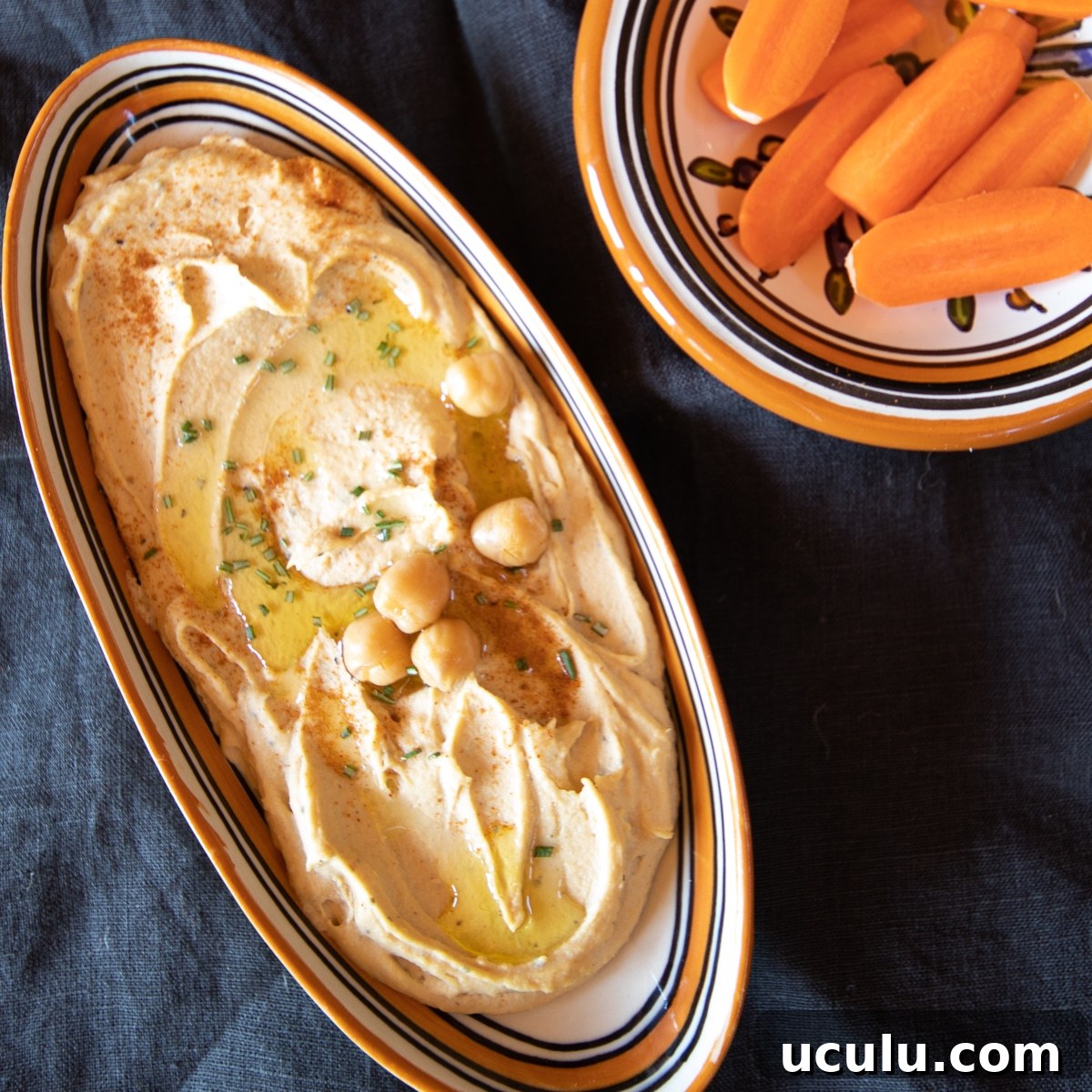
Hummus is easy to prepare, but homemade versions can sometimes be a bit gritty. This recipe explains how to get a consistently velvety hummus by softening the chickpeas before puréeing.
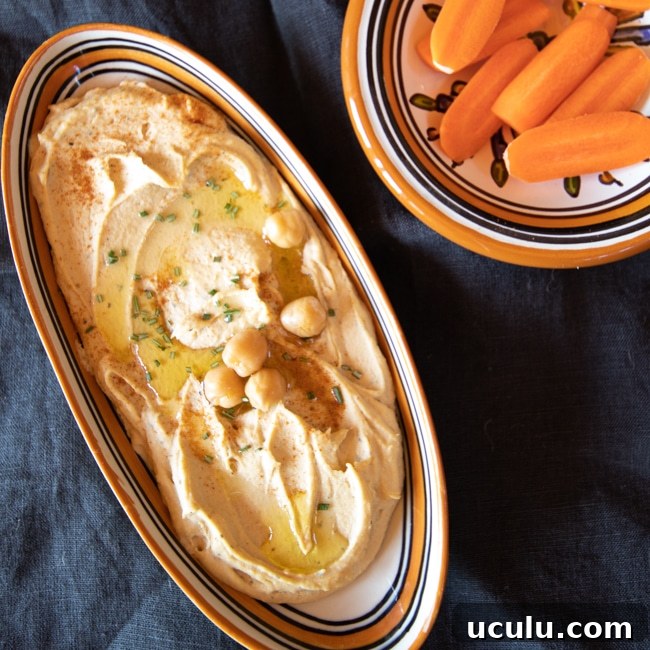
I like to serve it with torn warm pita pieces and crisp vegetable sticks.
🤷♀️ What is hummus?
Hummus is a smooth puree made from cooked chickpeas (garbanzo beans), tahini, lemon juice and garlic. It’s commonly finished with a drizzle of olive oil and a sprinkle of spices or herbs.
With inexpensive, long-lasting ingredients, hummus has been a Mediterranean staple for centuries. Regional and family recipes vary widely, and many versions have been passed down through generations.
Fun fact: the word hummus means “chickpea” in Arabic.
👩⚕️ Is hummus healthy?
Generally, yes.
Hummus is a good source of plant protein and fiber, which helps you feel full. It supplies a range of nutrients and can be a helpful energy source for vegetarians and vegans. A tablespoon of hummus has far fewer calories than the same amount of peanut butter. However, hummus is relatively high in carbohydrates from chickpeas and tahini, so it isn’t suitable for strict ketogenic diets.
🧅 Ingredients
- Cooked chickpeas – either canned or cooked from dried beans.
- Baking soda – helps the chickpeas break down and soften.
- Lemon juice
- Tahini
- Spices – smoked paprika, salt and pepper are used here.
- Ice water – to thin and lighten the texture.
Disclosure: This post may contain affiliate links to products I use. If you purchase through those links I may earn a commission at no extra cost to you.
🔪 Recommended Equipment
Medium pot – just large enough to simmer the chickpeas with baking soda.
Immersion blender with a chopper bowl – ideal for small batches and minimal scraping.
You can also use a food processor or a countertop blender. For small batches, you’ll need to scrape the bowl often to achieve a perfectly smooth hummus; food processors work best for larger quantities.
🗂 Instructions
Step 1
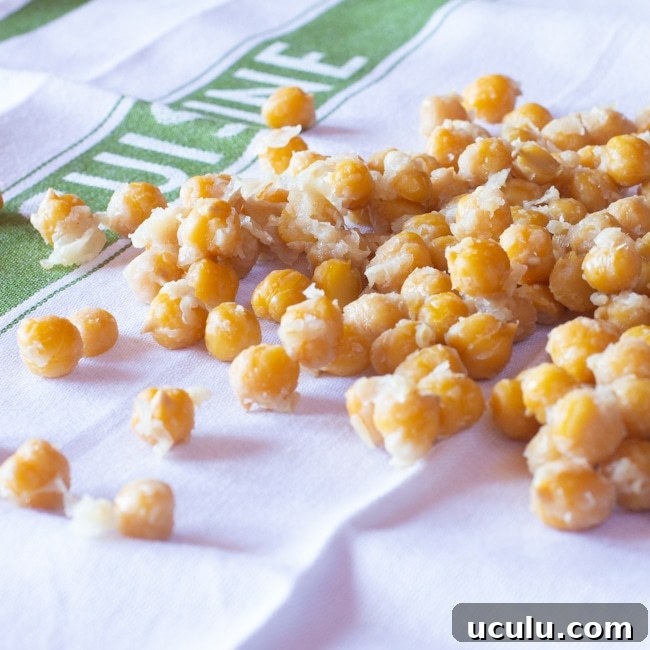
Simmer the chickpeas. Place cooked chickpeas in a pot and add enough water to cover them by about 2 inches. Stir in the baking soda. Bring to a boil, then reduce to a simmer and cook until the chickpeas begin to fall apart, about 7–10 minutes.
Step 2
Drain. Drain the chickpeas and transfer them to the chopper bowl or food processor.
Step 3
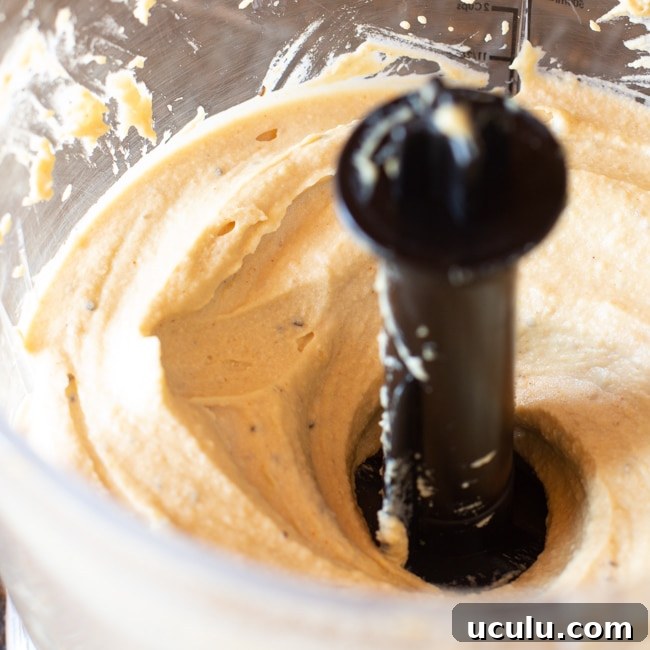
Purée. Add tahini, lemon juice, garlic, smoked paprika, salt and pepper. Process until a smooth paste forms, stopping occasionally to scrape down the sides.
Step 4
Adjust consistency. Add ice water one tablespoon at a time until you reach the desired texture. Two tablespoons is typical, but use more if you prefer a thinner hummus. Scrape the container as needed.
Step 5
Serve. Spoon into a bowl, drizzle with good extra-virgin olive oil and garnish as you like (fresh herbs, sumac or additional paprika all work well).
👩🍳 Do you need to cook chickpeas to make hummus?
Yes. Even canned chickpeas benefit from a short simmer to get very soft. Simmering cooked or canned chickpeas for about 10 minutes helps them break down more completely and keeps the hummus from feeling gritty.
🙋♀️ Why add baking soda to the chickpeas?
Baking soda creates a slightly alkaline environment that helps break down the chickpea skins and soften the interior. This allows the beans to absorb water and start to fall apart, which is the key step that produces a silky hummus. For chickpeas you cook from dried beans, use a bit more baking soda (see recipe notes).
🎯 Should you remove the skins of the chickpeas?
It’s not necessary. Many skins will slip off during draining, and any remaining skins will blend into the hummus and can even help the texture. If you prefer to remove them, gently float the skins in water and skim them off with a slotted spoon; you may need to change the water a couple of times to remove most of them.
🗒 4 Ways to Eat Hummus
Dip raw vegetables like carrots, celery, grape tomatoes, cucumber slices, cauliflower or broccoli into hummus.
Spread hummus on warm pita or naan, or on crackers, and top with sun-dried tomatoes or herbs.
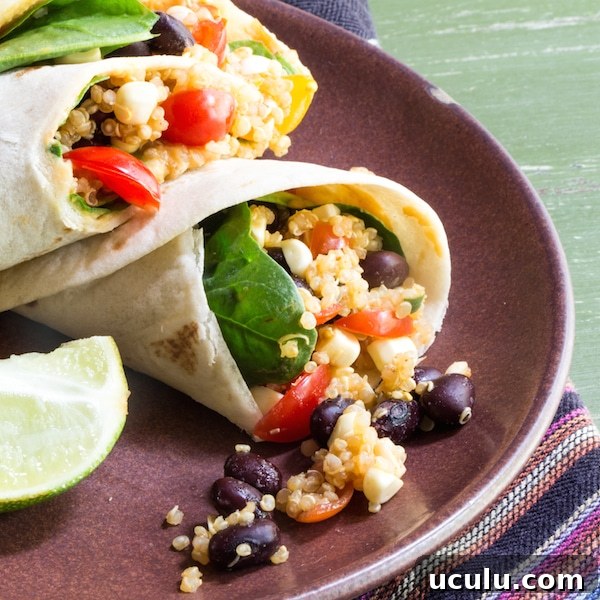
Use hummus as a sandwich spread or in wraps with black beans, quinoa, tomatoes and spinach.
Toss a Greek-style salad (red onion, cucumber, kalamata olives, feta, lemon and olive oil) and serve it alongside or on pita smeared with hummus.
🥣 Hummus Variations
Substitute white beans (cannellini) for a milder, white-bean hummus.
Stir in roasted tomatoes or roasted garlic for a rich, savory twist.
Add roasted jalapeños and pinto beans for a Tex‑Mex style hummus.
Mix in basil or sun-dried tomato pesto for an herbed variation.
Make beetroot hummus by blending cooked beets with the base for an earthy, slightly sweet version.
Perfect Creamy Hummus
Ingredients
- 1 15.5 ounce can of chickpeas *see notes below if using chickpeas cooked from dried beans
- ¼ teaspoon baking soda
- ⅓ cup tahini
- 2 tablespoons lemon juice
- 3 garlic cloves peeled and smashed, or 1 teaspoon garlic paste
- ½ teaspoon smoked paprika
- ½ teaspoon kosher salt
- ½ teaspoon freshly ground pepper
- 2 tablespoons ice water plus more if you prefer a thinner hummus
For Serving (Options)
- extra virgin olive oil
- minced fresh rosemary
- sumac
- parsley or cilantro
Instructions
-
Place the cooked chickpeas in a medium pot and add enough water to cover by about 2 inches. Stir in the baking soda, bring to a boil, then simmer until the chickpeas begin to break apart, 7–10 minutes.
-
Drain and transfer to the bowl of an immersion chopper or to a food processor.
-
Pro tip: A food processor or countertop blender works, but small batches require more scraping to get perfectly smooth hummus.
-
Add tahini, lemon juice, garlic, paprika, salt and pepper. Process until smooth, stopping to scrape the sides as needed.
-
Add ice water one tablespoon at a time until you reach the desired consistency (about 2 tablespoons for many cooks). Scrape and blend a few more times to ensure an even texture.
-
Serve drizzled with extra-virgin olive oil and garnished with herbs or spices if you like.
Notes
Canned chickpeas sit in liquid and stay moist. Chickpeas cooked from dried beans are drier, so they need a bit more baking soda to soften. Use about ½ teaspoon baking soda when simmering dried-cooked chickpeas so they begin to break apart properly.
Removing skins:
You don’t have to remove chickpea skins; they will process into the hummus and can help the texture. If you prefer to remove them, float the skins in water and skim them off, changing the water as needed.
4 Ways to Enjoy:
- Dip raw veggies like carrots, celery, tomatoes, cucumber, cauliflower or broccoli.
- Spread on warm pita, naan or crackers and top with sun-dried tomatoes or herbs.
- Use as a sandwich or wrap spread with beans, grains, tomatoes and greens.
- Serve with a Greek-style salad on pita or alongside as a flavorful accompaniment.