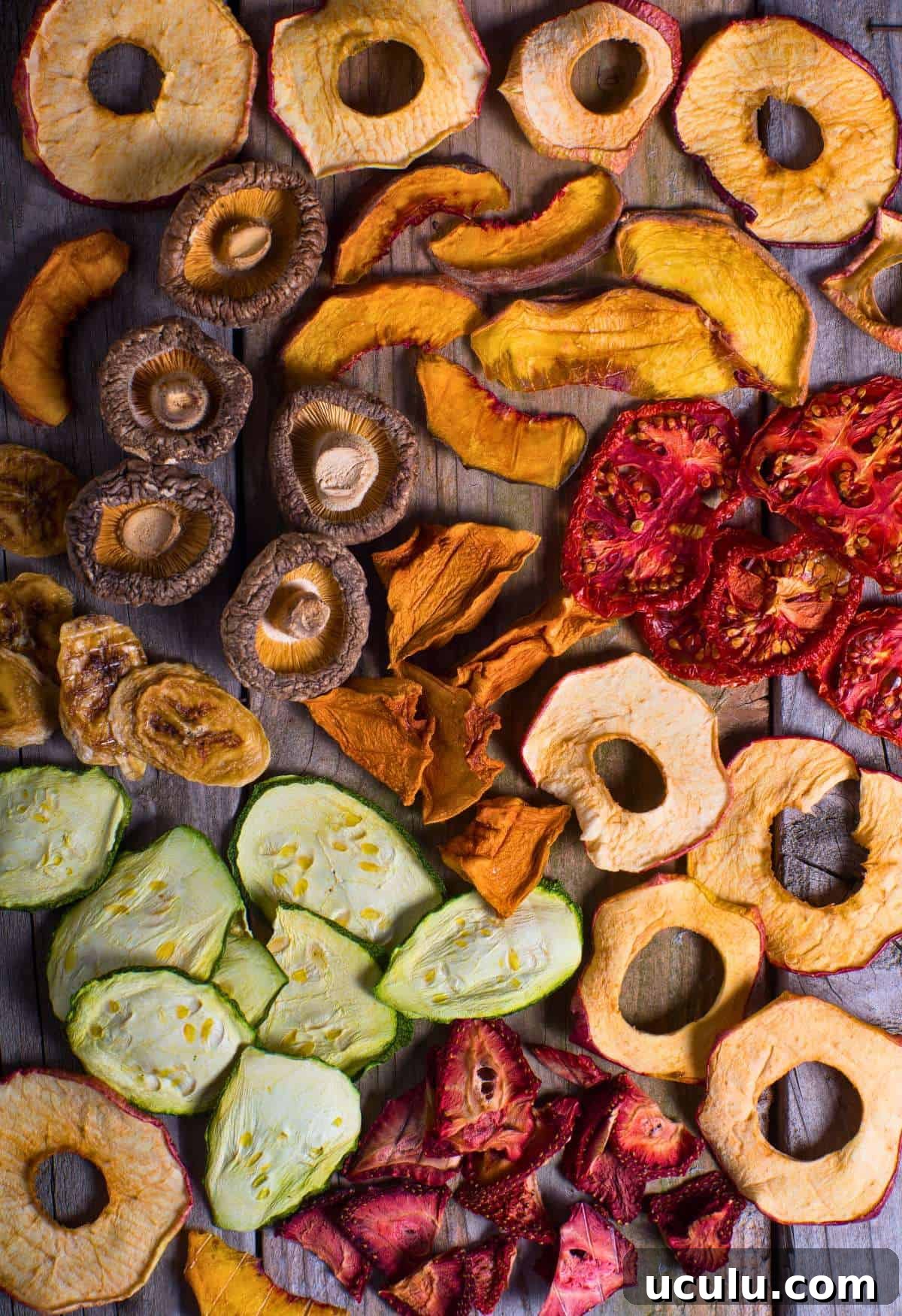
Curious about dehydrating food for preservation? Whether you’re a beginner or looking for fresh ideas, this guide outlines the 10 best foods to dehydrate and offers practical tips to save time and money.
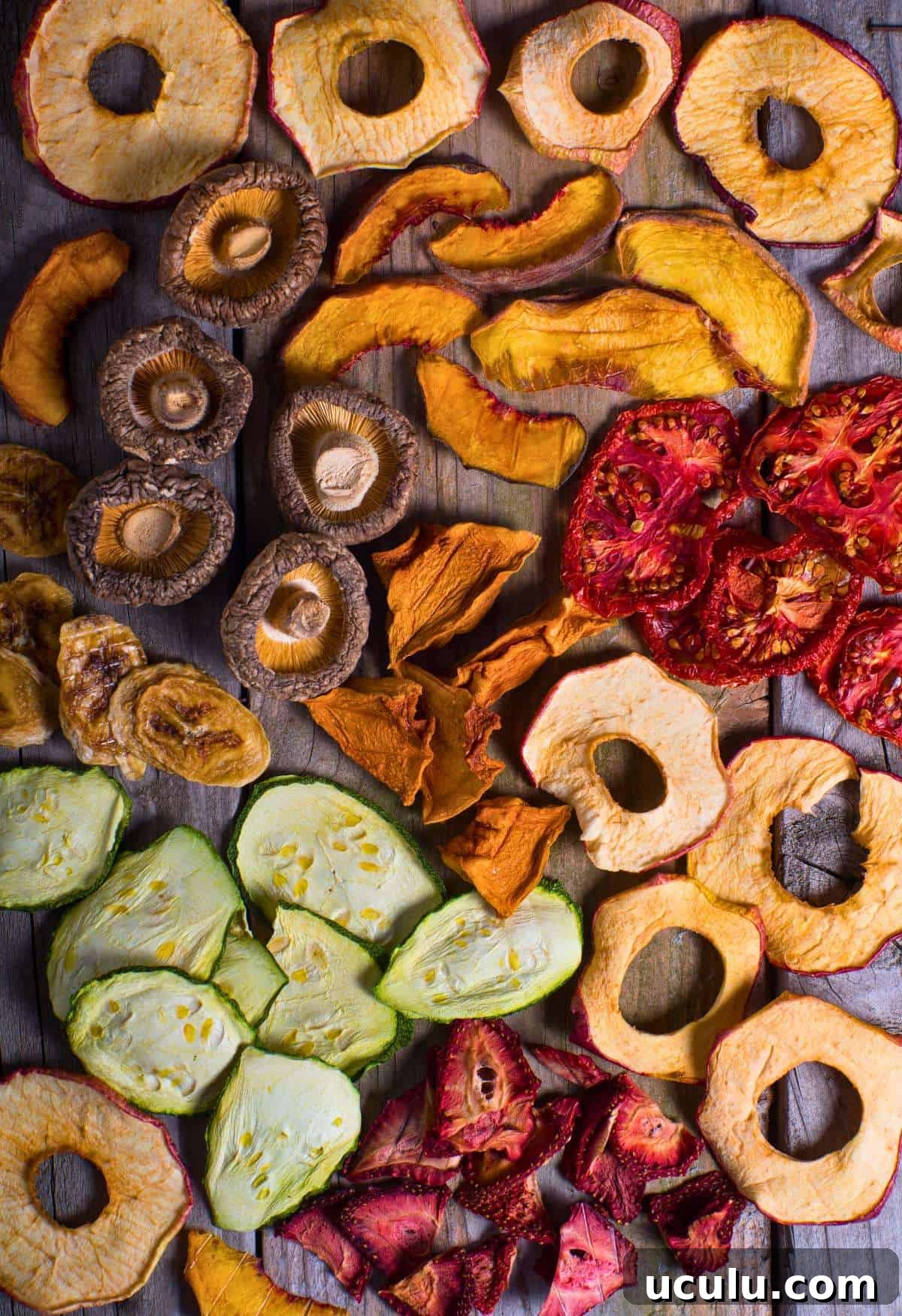
Dehydrating reduces moisture to extend shelf life while concentrating flavors and creating lightweight, portable foods. It’s ideal for making the most of a garden harvest, reducing waste, or preparing snacks and meal components for camping and emergency supplies.
10 best foods to dehydrate for beginners
Dehydrating is straightforward. Start with these beginner-friendly foods and basic preparation steps.
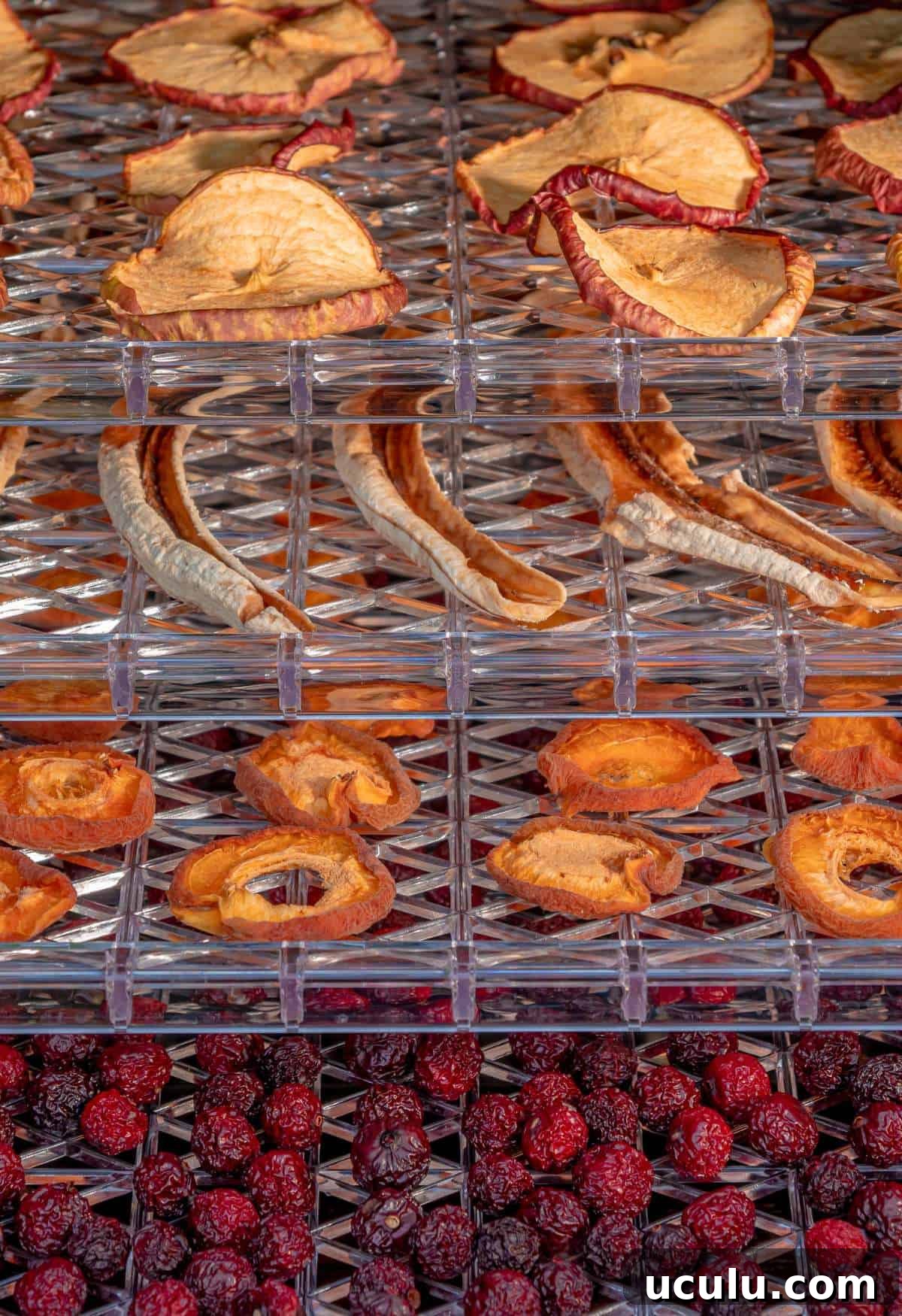
- Apples: Slice thinly and treat with lemon juice or ascorbic acid to prevent browning. Dehydrated apple slices become a sweet, chewy snack.
- Bananas: Slice into coins and dry for a portable, naturally sweet treat. Pretreating can reduce browning.
- Strawberries: Halve or slice and dehydrate; tossing with a little sugar before drying can enhance sweetness.
- Tomatoes: Halve, season, and dry for savory additions to salads, soups, or snacking.
- Onions: Slice and dehydrate to use later as a cooking ingredient or crunchy topping.
- Carrots: Thin slices or chips dry well; blanching before drying helps retain texture for soups and stews.
- Potatoes: Slice for chips or dry for later rehydration and use in meals—great for camping kits.
- Mushrooms: Drying intensifies their umami flavor and makes them easy to store.
- Herbs: Dry at low temperatures to preserve essential oils, aroma, and flavor.
- Meat: Prepare lean strips of beef, chicken, or turkey to make jerky; follow safe temperature guidelines for meat drying.
Most of these foods need only washing and uniform slicing before drying. Involve family members: younger kids can wash produce while older children handle slicing with supervision.
Food dehydration basics
Dehydration works by removing water to inhibit bacterial growth, turning fresh produce and proteins into long-lasting foods. It’s a versatile technique that preserves flavor and makes ingredients more convenient to store and transport.
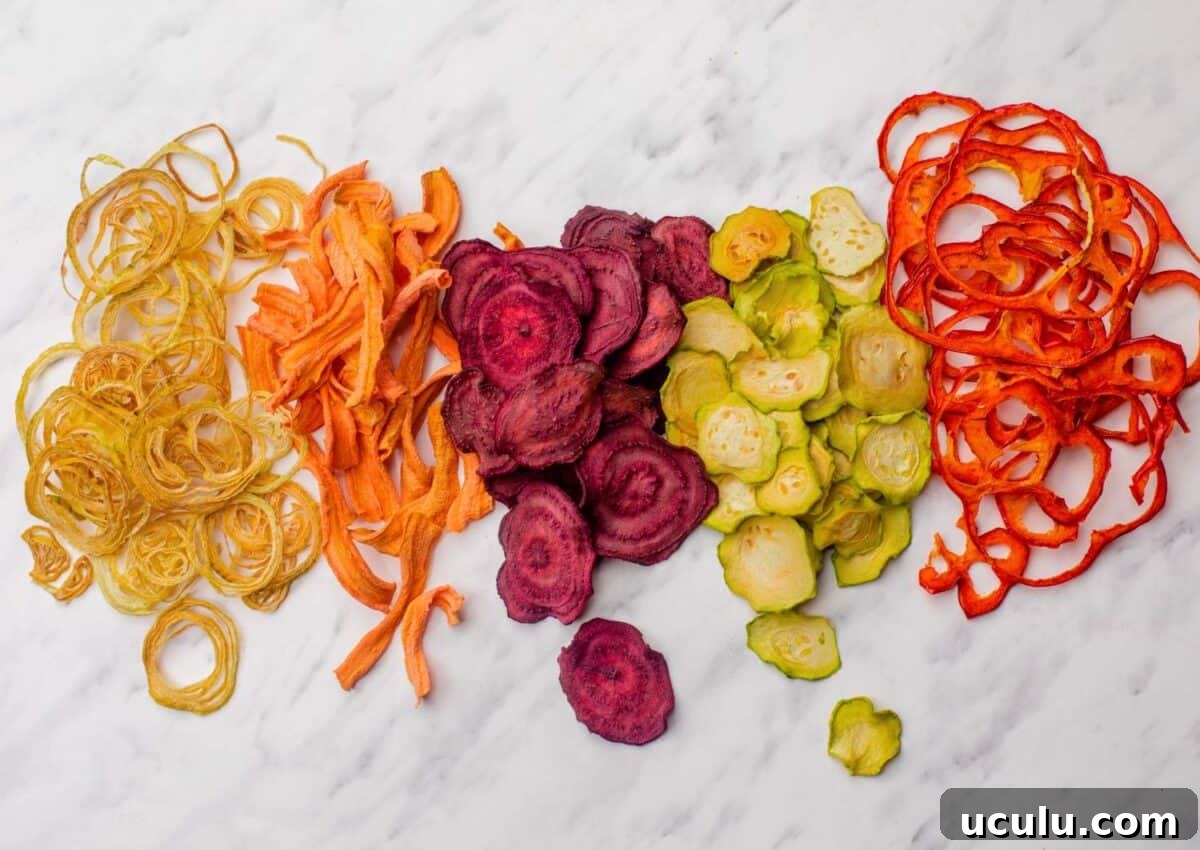
Benefits of dehydrating foods
Drying food has been used for centuries because it offers several advantages:
- Preservation: Properly dried foods can keep for months to a year when stored correctly.
- Flavor enhancement: Drying concentrates natural flavors.
- Reduced size and weight: Easier storage and transport.
- Nutrient retention: Many nutrients remain intact compared with some other preservation methods.
- Cost-effective: Helps reduce food waste and can be cheaper than buying pre-dried products.
Choosing and preparing foods
Choose fresh, ripe produce at peak season and avoid bruised or decayed items. Thoroughly wash all produce and cut items to uniform thickness for even drying. A mandoline or sharp knife helps achieve consistent slices.
Certain fruits, like apples and bananas, benefit from pretreatment with lemon juice or ascorbic acid to reduce browning. Blanching some vegetables, such as carrots, can improve texture after drying and rehydration.
Dehydrating equipment
You can dry foods using a dedicated food dehydrator, an oven, or solar methods. Each has advantages depending on how much you plan to dry and how precise you want temperature control to be.
Food dehydrators
Dehydrators provide consistent low heat and airflow across multiple trays, which helps food dry evenly and efficiently. Models range from compact units for occasional use to larger machines with precise temperature control and many trays for batch drying.
“I love dehydrating chili peppers because it’s a perfect way to save a big harvest. Rehydrate them for soups and stews or grind them into flakes and powders—dehydrated peppers keep their heat and flavor.”
— Jenny TB, Grow Hot Peppers
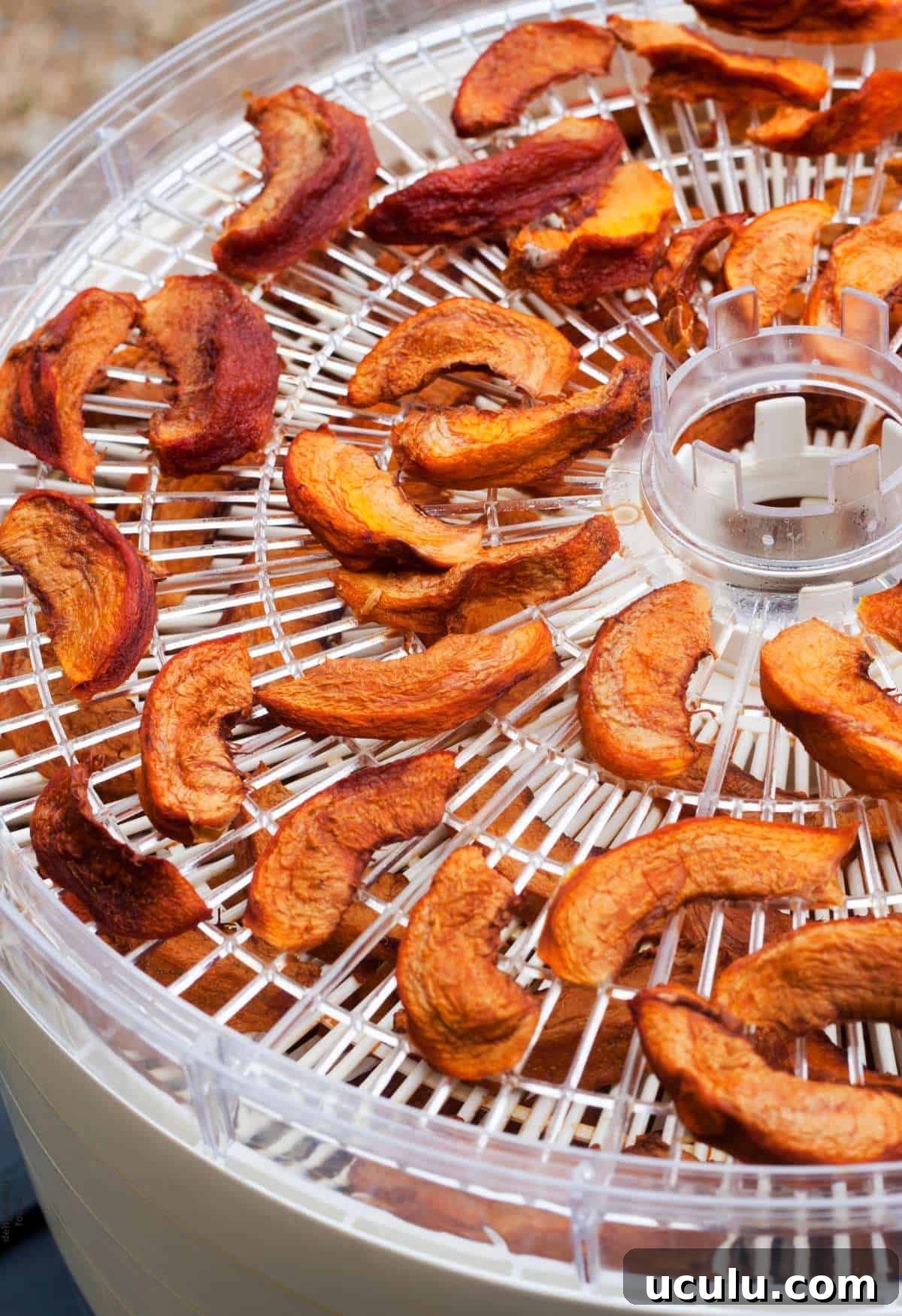
Traditional electric or gas ovens
Ovens can be used for dehydration by setting a low temperature—commonly around 140°F—and propping the door open slightly to allow moisture to escape. This method requires monitoring for even drying and to prevent cooking.
Solar dehydrating
Sun drying is the oldest method: racks or screens placed in direct sun can dry fruit, herbs, or fish in hot, dry climates. Consistent low heat and protection from pests and humidity are essential for safety and quality.
The dehydrating process
Temperature control and airflow are critical. Use moderate heat to remove moisture without cooking the food. Typical guidelines: fruits and most vegetables around 135°F, while meats and fish should reach higher temperatures (around 160°F) to ensure safety.
“We love dehydrated mango slices. They’re naturally sweet, chewy, and great for snacks or camping trips.”
— Shelby, Fit as a Mama Bear
Storing dehydrated foods
Allow dried foods to cool completely before packaging to prevent condensation. Use airtight containers such as mason jars or vacuum-sealed bags and store them in a cool, dark, dry place. Label containers with contents and the dehydration date to track freshness.
Common food dehydration mistakes and how to avoid them
Dehydration takes time and effort, so avoid these common mistakes to protect your investment:
- Improper preparation: Use fresh ingredients, clean thoroughly, and cut uniformly.
- Incorrect temperature: Follow recommended temperatures for each food type to avoid under-drying or unsafe conditions.
- Overcrowding: Leave space between pieces for air circulation to ensure even drying.
Expect a short learning curve. Experiment with slice thickness, temperature, and tray arrangement to find the best approach for the foods you choose.
Dehydrating is a simple, rewarding way to preserve food, enhance flavors, and prepare for outdoor trips or long-term storage. Whether you use a dehydrator, oven, or solar method, these basics and recommended foods will help you get started and enjoy the results.
This article originally appeared on Food Drink Life.