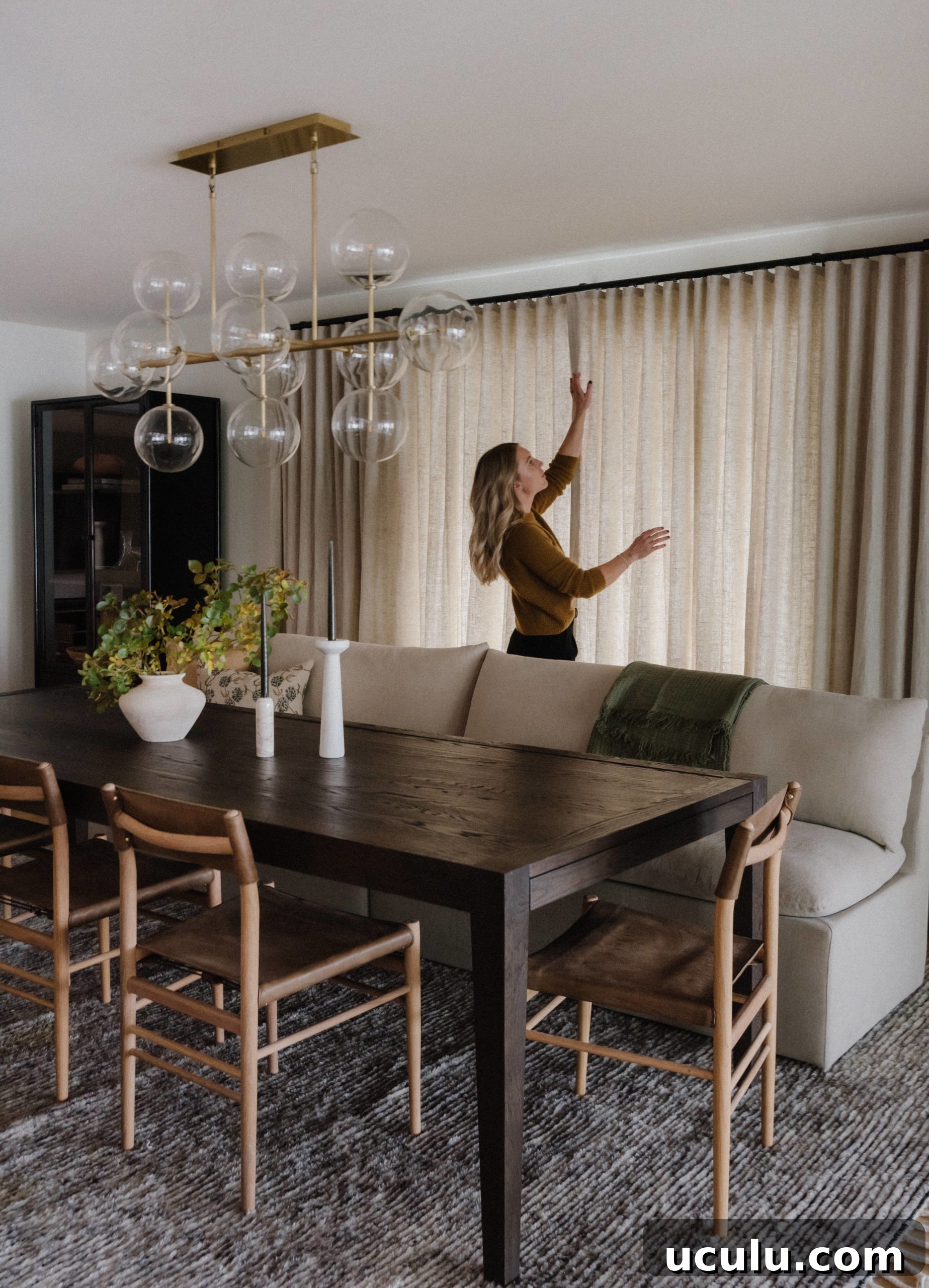
If you want your rooms to look thoughtfully designed, learning how to hang curtains like an interior designer is a simple way to elevate any space.
Window treatments transform a room instantly. Hanging curtains is more straightforward than you might think, and with a few designer tricks you can achieve a custom, professional look in the living room, dining room, bedroom, and beyond.
This article gives a clear, step-by-step guide for consistently great window treatments, plus shopping suggestions for affordable curtains that appear custom without the high price.
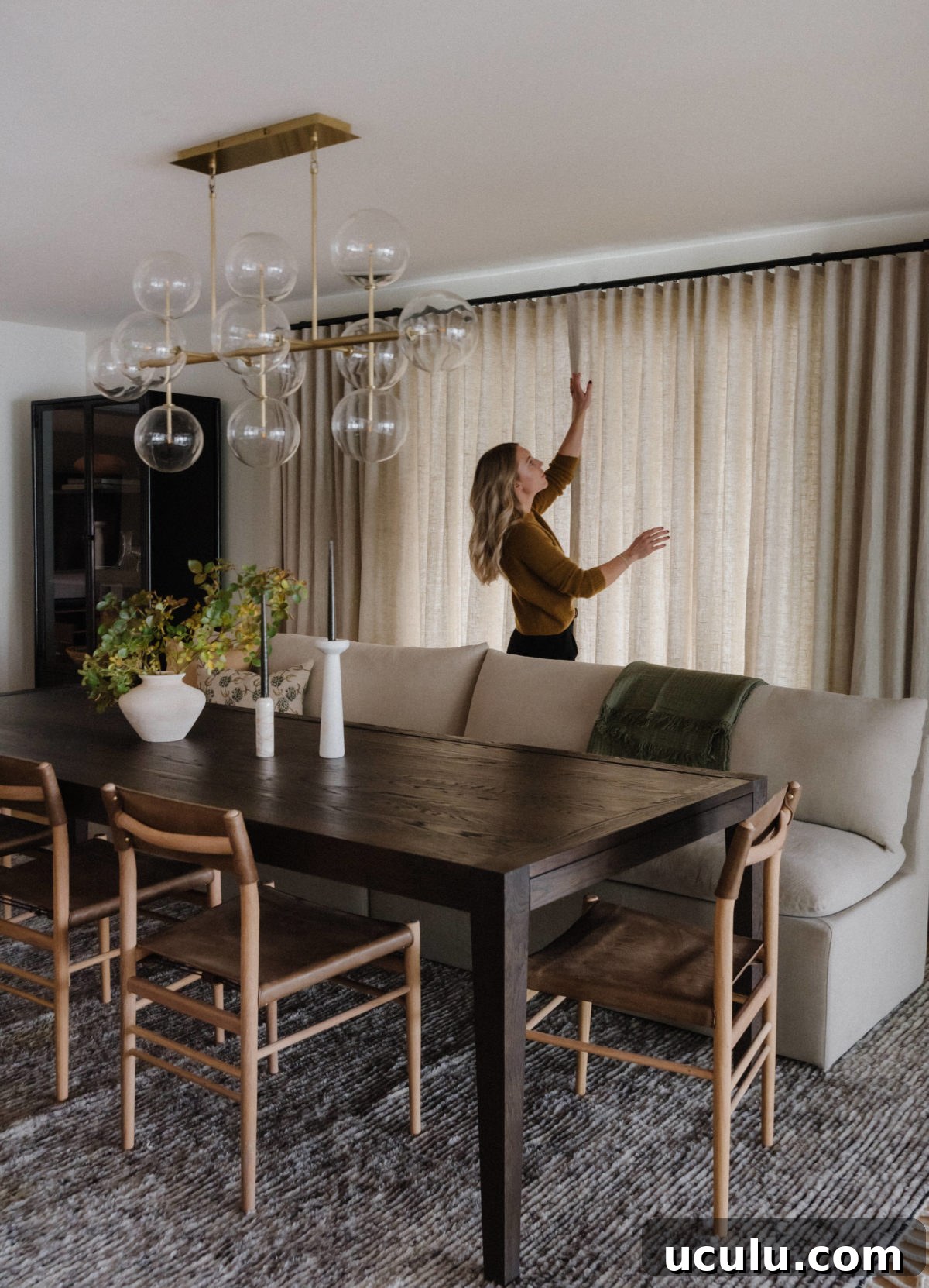
How to Hang Curtains
As an interior designer, choosing and specifying window treatments is part of everyday work. Over time I’ve learned practical tips that create a high-end look without unnecessary complexity. The good news: you can achieve this yourself.
Window treatments can be costly, so correct installation is important to protect your investment. Fabric, style, and length matter, but installation is just as critical. Below I’ll walk through the installation steps and highlight the style choices you should consider before ordering.
This guide explains the easiest and best ways to hang curtains. If you haven’t ordered your panels yet, read the selection and measurement advice first so the finished result looks intentional and polished.
Table of contents
- How to Hang Curtains
- Curtain Selection
- How to hang curtains in three simple steps!
- How high to hang curtains?
- How wide should curtains be?
- How long should curtains be?
- How to hang pencil pleat curtains?
- How to make curtains look good?
- Hanging Curtains with Rings
- Oddly Shaped Windows
- Bay windows
- Arched windows
- Curtain Hanging Mistakes to Avoid
- Curtains too short.
- Rod not wide enough.
- Rod hung too low.
- Fabric not full enough.
- Where to Buy Curtains
- Where to Buy Curtain Hardware
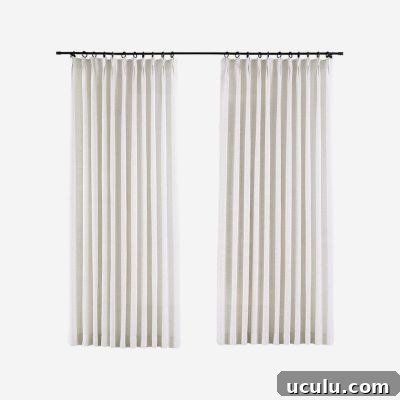
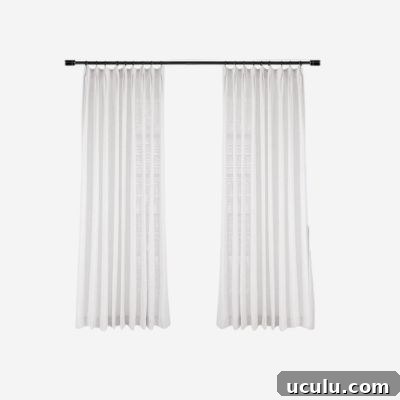
- The BEST Budget Friendly Affordable Pinch Pleat Curtains
- Explore all about Paints and Finishes
- Little Black Book of Color
Curtain Selection
Types of window treatments: Modern interiors most commonly use roman shades and drapery. Roman shades are fabric blinds that work well in kitchens or where a shorter treatment is needed. This guide focuses on curtains, also called drapery, which come in linen, wool, cotton, polyester, and blends.
I typically prefer natural fibers—linen, cotton, wool, or silk—selecting the material to match the room’s style. Heavyweight linen is my go-to for many spaces, but always balance fabric with the room’s overall feel.
Valances can hide hardware, but I avoid them unless necessary to conceal mechanisms. For most rooms, a clean header and well-chosen fabric looks more modern and deliberate.
Prints vs solids: Neutral solids like flax or oatmeal are safe choices. I generally avoid stark white and instead choose tones that provide gentle contrast. Printed fabrics add character; for a timeless feel, consider patterns with historical roots even in contemporary spaces.
Measuring tip: Use a laser measure for best accuracy. Measure the window’s interior width and height at top, middle, and bottom. This precision matters most for inside-mount roman shades where a quarter-inch can affect the fit.
How to hang curtains in three simple steps!
How to Hang Curtains
Equipment
-
Drill
-
Drill Bit
-
Laser Level (or standard level)
-
Pencil
-
Measuring Tape
-
Ladder
-
Wall Anchors
Materials
- Drapery Hardware
- Curtain Panels
Instructions
-
Calculate hardware and material needs: Choose a rod that extends 8–12″ beyond each side of the window so the drapery stacks off the glass when open. Position the rod 8–12″ above the window frame when possible. Order enough rings for each pleat and one for each panel end; add drapery hooks for pleated styles. Confirm whether custom drapery includes hardware before ordering.
-
Install hardware: Measure twice and mark bracket locations. Place side brackets 8–12″ above and outside the window frame, and a center bracket the same height if needed. Use a level or laser to ensure consistent height across brackets. Install wall anchors where required, then screw the brackets into place.
-
Hang the curtains: Slide the rod into the brackets and add rings if using them. Attach drapery hooks to pleats or use pocket-style panels as appropriate. Once hung, check the length and adjust hooks or rings to achieve the final look.
Notes
A short instructional video demonstrates the basic hanging process and shows companies that offer custom drapery with hardware included—useful if you want a turnkey option.
How high to hang curtains?
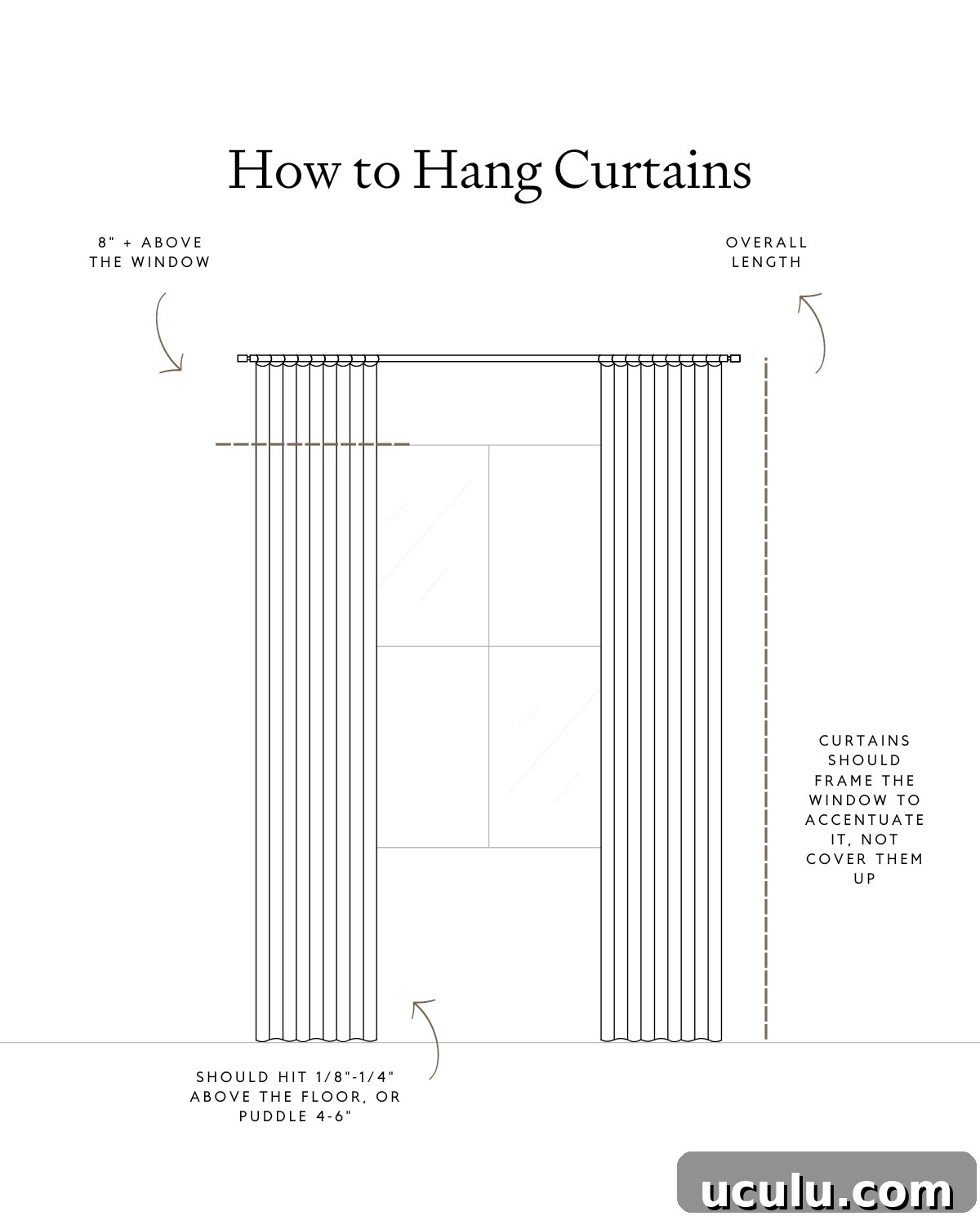
Hang curtains about 8–12″ above the window frame when possible. This simple adjustment makes ceilings appear higher and windows feel larger, creating a more spacious room.
How wide should curtains be?
At minimum, curtains need to cover the window when closed. For an elevated look, include extra “stack width” by extending the rod 8–12″ beyond the window frame so the panels sit beside the glass when open rather than covering it. This frames the window and visually enlarges it.
If space limits how far you can extend the rod, go as wide as the room allows while maintaining balanced scale.
How long should curtains be?
Decide whether you want the panels to puddle on the floor or just “kiss” it. For a puddled look, add 4–6″ to the distance from rod to floor. For curtains that barely touch the floor, aim for about 1/8″–1/4″ above the surface. I often hang the rod with panels on it, mark the exact placement, and then install the brackets to ensure accuracy.
Too-short curtains look unfinished—when in doubt, err on the side of longer panels.
How to hang pencil pleat curtains?
Pencil pleat curtains hang similarly to pocket-style panels, but I recommend having someone hold the rod with rings and drapery attached to find the exact bracket placement. Pleated curtains can be fine-tuned with drapery hooks, allowing small height adjustments so the hem just clears the floor.
This hands-on adjustment prevents mistakes and ensures the finished look is crisp and intentional.
How to make curtains look good?
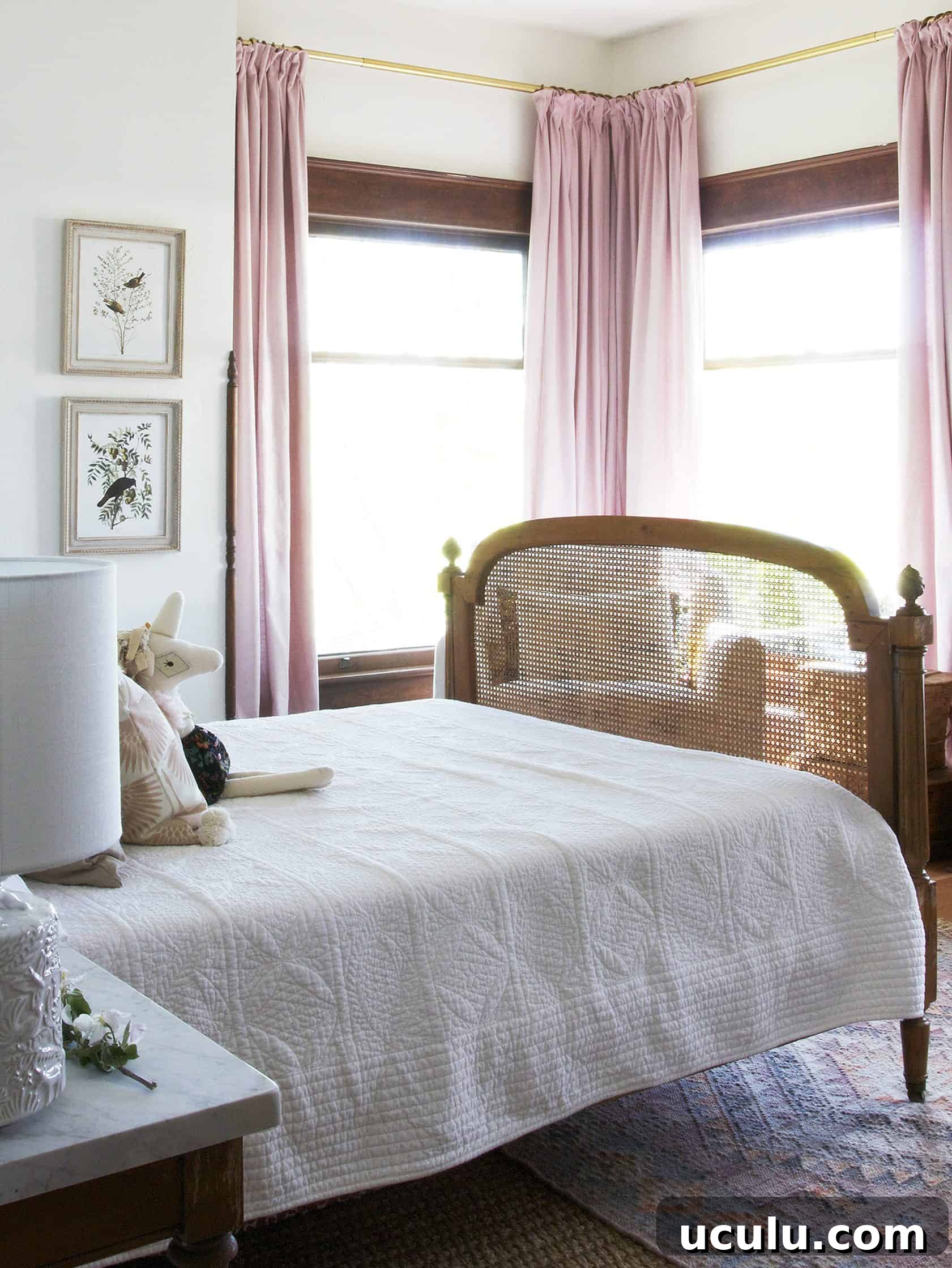
Proper installation makes even inexpensive curtains look intentional. Hang panels high enough, buy wide enough panels for fullness, and steam them before hanging to remove wrinkles and allow the fabric to relax. Steaming can slightly lengthen fabric, so steam first if you plan to hem.
Pair budget-friendly panels with higher-quality hardware for a mixed high-low look that feels curated. Pinch pleat curtains are luxurious but cost more; Ikea panels with a pleating strip let you DIY pleats affordably.
Designer tip: steam curtains before hanging—they relax and may lengthen slightly. Also, ensure panels are full enough: order extra width or additional panels for a lush appearance.


Hanging Curtains with Rings
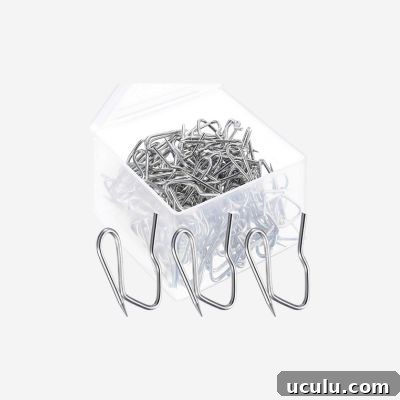
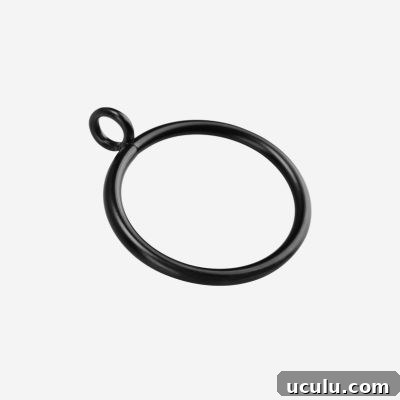
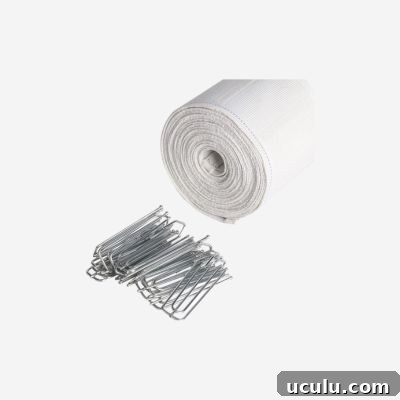
To hang curtains with rings you can use drapery hooks or ring clips. Drapery hooks insert behind the panel and provide a clean connection to the ring—this is my preferred method. Ring clips clip onto the top of the fabric for a relaxed look, but they can appear less finished.
Oddly Shaped Windows
Bay windows
Bay windows can work well with adjustable rods or with shades. If there’s room above the frames, adjustable rod arms let you follow the window angle. Where rod placement isn’t possible, consider linen roman shades for a tailored, elegant appearance. For kitchens, cafe curtains add charm and are a great practical choice.
Arched windows
For arched windows, hang the rod 8–12″ above the top of the arch and treat the opening like a rectangular window. If multiple arches vary in height, place the rod above the tallest arch to create a unified treatment.
Curtain Hanging Mistakes to Avoid
Curtains too short.
I prefer slightly long curtains to ones that are too short. Aim for a hem about 1/8″ above the floor or a small puddle if you want a luxe look. Short curtains make a space feel unfinished.
Rod not wide enough.
A common error is choosing a rod that matches the window width exactly. Instead, extend the rod 8–12″ past the frame on each side so panels stack off the glass. For example, a 6′ window typically needs an 8′ rod to achieve a balanced look.
Rod hung too low.
Rods placed too close to the window top make rooms feel squat. Aim for 8–12″ above the frame unless crown molding or ceiling constraints force a lower placement—then go as high as possible.
Fabric not full enough.
Designers discuss fullness and stack width when specifying drapery. Standard fullness is about 200%—roughly twice the rod length in fabric—so panels look rich and pleated rather than flat. Stack width provides extra fabric so the window remains uncovered when curtains are open. At minimum, panels must fully cover the opening when closed.
Where to Buy Curtains
Curtain prices vary widely—from affordable ready-made panels to high-end custom drapery. Custom work is labor-intensive and often uses premium fabrics, which raises cost, but it produces exceptional results.
If you prefer custom, consider a local workroom for full customization or reputable companies that offer tailored drapery. For a custom look at lower cost, many ready-made linen and linen-blend panels provide an upscale feel when hung correctly.
Budget alternatives that can achieve a refined look include well-made linen or linen-blend panels, and Ikea panels that accept a pleating strip for DIY pleats. Combining affordable panels with higher-quality hardware creates an elevated appearance without full custom pricing.
Where to Buy Curtain Hardware
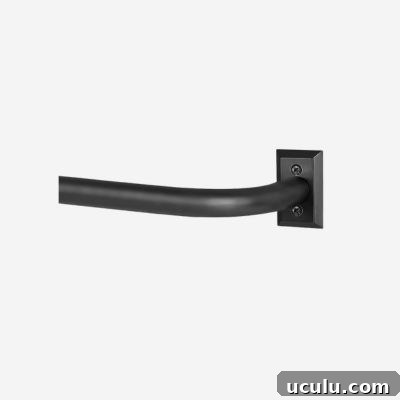
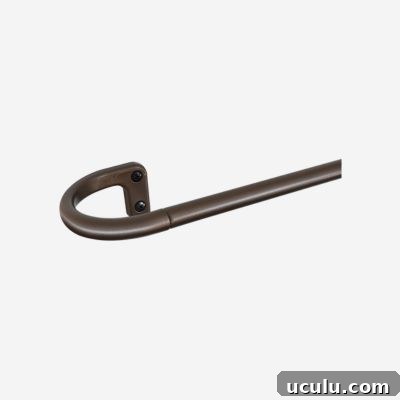
Quality hardware makes a big difference. If you buy affordable panels, invest in solid rods, brackets, and rings to create a tailored finish. Drapery wands help open and close heavy panels without them slipping off hooks.
The BEST Budget Friendly Affordable Pinch Pleat Curtains
Read Next:
How to Shop for Furniture like an Interior Designer
Designer Tip: Coffee Table Dimensions
Explore all about Paints and Finishes
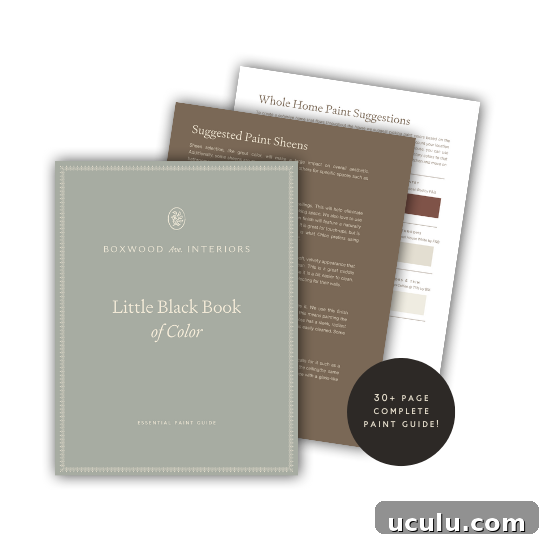
We also cover paint trends, techniques, and finish recommendations to help you complete a cohesive look throughout your home. Explore related articles for color inspiration and practical advice for interior projects.
instant download
Little Black Book of Color
Download the free paint guide for expert guidance across your home. The 30-page guide covers cohesive palettes, finish suggestions, and practical tips to help you choose colors with confidence.