It’s hard to stay on a weight-loss plan when you’re constantly grazing. Stopping snacks between meals makes it much easier to reach goals like losing weight and maintaining results.
For me, eating three meals a day without snacking has been the simplest and most reliable way to control calories and maintain weight loss. Deciding to stop snacking all day—or to avoid eating after dinner—can be challenging. Modern food culture makes it easy to eat constantly, especially between meals.
The Research on Limiting Snacking
Research suggests that reducing meal frequency and avoiding snacking can support weight control. One study in a reputable nutrition journal found that eating less frequently, skipping snacks, consuming breakfast, and making the largest meal in the morning may help prevent long-term weight gain. Eating breakfast and lunch 5–6 hours apart and extending the overnight fast to roughly 18–19 hours were suggested as practical strategies.
My Grazing Habits
One of the hardest habits for me to break was ending a meal and not returning to food until the next one. Even when I felt full, I often continued eating—cleaning up plates, sampling my kids’ leftovers, or grabbing a handful of cereal as a sweet finish. I realized part of the appeal was delaying chores or responsibilities; eating felt like a small, stress-free reward and a way to prolong a relaxed moment.

Although I still struggle at times, I’ve developed rituals and practical habits that help me end a meal and move on with my day instead of nibbling until the next meal. Below are effective strategies that have helped me and others—any of them might work for you.
15 Ways to Stop Eating After a Meal
- Clean the kitchen. If a tidy kitchen motivates you, make cleaning up part of your finish-the-meal ritual. Load the dishes and wipe counters, then walk away. Once the kitchen is clean, avoid returning until the next meal.
- Don’t always eat in the kitchen. While eating at a table encourages mindful eating, sometimes changing location helps. If taking your plate to another room lets you dive into an activity and prevents wandering back to the pantry, try it for a while to build a new habit.
- Have a favorite beverage ready. Ending a meal with a drink you enjoy—whether it used to be a Diet Coke or now a flavored water—can provide closure and curb the urge to keep snacking.
- Chew gum. A minty piece of gum can keep your mouth busy and discourage finishing off leftovers. Be mindful of overdoing sugar alcohols, but a single piece can work well as a deterrent.
- Brush your teeth. It’s simple but effective: brushing after a meal makes food less appealing and signals your body that eating time is over.
- Plan an activity you look forward to. If you have something enjoyable lined up—reading, a short walk, or a favorite show—you’re less likely to extend mealtime just to avoid getting back to tasks you don’t enjoy.
- Plate your entire meal. Serve your portion on a plate so there’s a natural stopping point. When the plate is empty, avoid going back for seconds unless you truly need more.
- Buy single-serving items when needed. Although not always economical or eco-friendly, single-serving packages can remove the temptation to keep grazing on a shared container.
- Balance macronutrients. Include protein, healthy fats, and carbohydrates to make meals satisfying. Well-balanced meals keep you feeling full longer and reduce the urge to rummage for snacks.
- Read after a meal. Use an engaging book as a post-meal reward. Reading for 15–20 minutes helps your brain register fullness while offering a pleasant transition.
- Journal after eating. Writing about how you feel after meals can reveal patterns and triggers that lead to unnecessary snacking and help you address emotional or situational drivers.
- Meditate or enjoy quiet time. A short meditation session, family quiet time, or prayer can create a calming end to a meal and replace mindless grazing with a restorative habit.
- Replace sweet endings with veggies. If you usually crave something sweet after a meal, try crunchy carrots, cucumber slices, or another raw vegetable as a substitute.
- Keep a healthy sweet habit. If dessert is part of your routine, make it a piece of fruit. Simple swaps like this preserve the ritual without derailing your plans.
- Drink lemon water. A sip of lemon water can leave a taste that makes continuing to snack less appealing—experiment with other flavors that have the same effect.
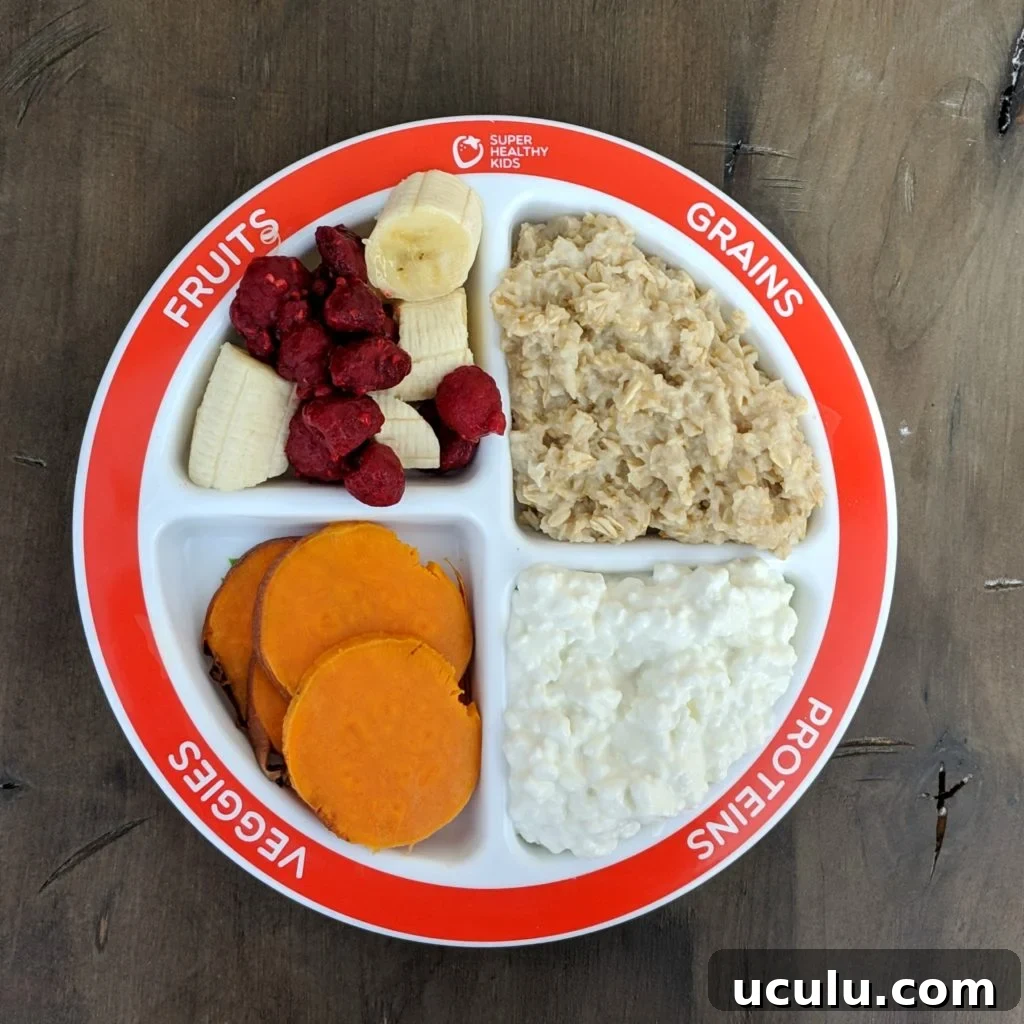
These 15 strategies can help you give meals a clear beginning and end, reduce grazing throughout the day, and support consistent progress toward weight and health goals.
READ NEXT –> 8 Reasons to follow a 3 Meals A Day Diet!
Download the free 7 Day Meal Plan for a structured approach to meals and portioning to support your efforts to stop snacking between meals.
If you liked these Printable Portion Sizes Chart options, you might also like
- 5 Steps to Calorie Counting for Weight Loss {With Printable calorie planner}
- 100 Calorie Mug Brownie
- 9 Healthy Chicken Recipes for Weight Loss
- Cinnamon Maple Roasted Butternut Squash
- Dark and Creamy Chocolate Banana Smoothie
- Low Cal Bread
- 1400 Calorie Meal Plan High Protein
- Low Calories Pasta Recipe
- MyPlate Meals
- 1400 Calories a Day Meal Plan
- Weight Watcher Cheese Cake Recipe