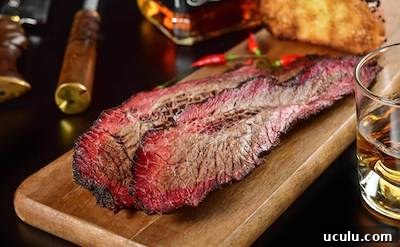
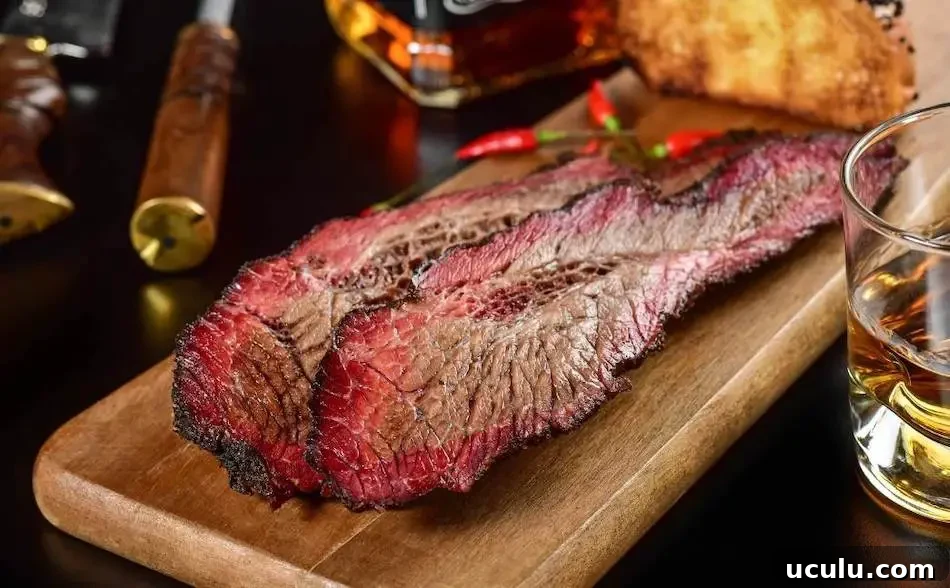
Smoking a brisket on a Pit Boss pellet grill is rewarding but requires patience and attention. Pellet grills excel at holding steady temperatures for long cooks, but good results depend as much on preparation and technique as on the grill itself. Below is a clear, practical guide to producing a tender, flavorful brisket on a Pit Boss.
Quick overview: Set your Pit Boss to 250°F. Dry-brine the brisket with kosher salt, apply a binder (olive oil or yellow mustard) and a barbecue rub. Spritz or mop every 30–60 minutes during the early phase until the internal temperature reaches about 150°F. When the bark has developed and color is good, wrap in foil or butcher paper and finish until the internal temperature reaches approximately 203°F. Rest the meat for at least an hour before slicing, or hold it up to four hours in a dry cooler wrapped in towels.
Key Points
- Set your Pit Boss to 250°F for a reliable low-and-slow cook.
- Dry-brine with kosher salt, then use a binder and apply your BBQ rub evenly.
- Spritz or mop during the first several hours to maintain surface moisture and promote a good bark.
- Wrap when the bark and color are right (around 150–160°F) and finish to 203°F internal temperature.
- Rest at least one hour before slicing; you can hold the wrapped brisket in a dry cooler for up to four hours.
Brisket On A Pit Boss Pellet Grill
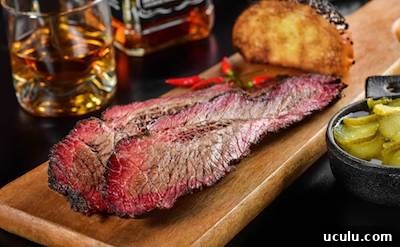
A tender, juicy brisket slow-smoked on a pellet grill.
10 minutes
8 hours
30 minutes
8 hours 40 minutes
Ingredients
- Brisket
- Barbecue rub
- Olive oil or yellow mustard (binder)
Instructions
- Select a brisket with good marbling.
- Trim fat but leave about 1/4 inch on top.
- Dry-brine by sprinkling kosher salt on all sides and refrigerate for several hours or overnight.
- Optional: inject with broth or marinade for extra moisture.
- Optional: slather with olive oil or yellow mustard as a binder.
- Apply an even layer of barbecue rub (skip dry brine if your rub contains salt).
- Fill the hopper with quality wood pellets (hickory, pecan, or a competition blend), enough for the entire cook.
- Set the Pit Boss to 250°F.
- Place the brisket centered on the grill and remove extra racks if needed.
- Fill the water pan to help maintain humidity.
- Insert a temperature probe into the thickest part of the brisket.
- Spritz or mop the brisket every 30–60 minutes during the early phase with apple juice, broth, cider vinegar or beer.
- When the bark is set and the internal temp is 150–160°F, wrap the brisket in foil or butcher paper.
- Return the brisket to the grill and continue cooking with the probe in place.
- Finish cooking until the internal temperature reaches about 203°F.
- Let the brisket rest for at least 1 hour before slicing, or keep it wrapped in a towel inside a dry cooler for up to 4 hours.
- Slice against the grain and serve.
Nutrition Information:
Amount Per Serving:
Calories: 130
Best Wood Pellets For Brisket
Brisket can handle bold smoke flavors better than delicate proteins. Strong woods like hickory, mesquite, oak or pecan work well, while fruitwoods such as cherry or apple add a sweeter, subtler note. A competition blend (maple, cherry, and hickory) is a versatile choice. If you prefer a charcoal-like flavor, there are pellet blends designed to mimic that profile.
When filling the hopper, avoid dumping the dust from the bottom of the bag into the grill. Sift pellets through a sieve to reduce dust and prevent feeding issues in the hopper.
Top Wood Choices for Brisket
Experts commonly recommend oak and pecan for brisket because they provide a consistent, robust smoke that complements beef. Mesquite also delivers strong flavor but can be overpowering if used exclusively. Mixing a stronger hardwood like oak with a touch of fruitwood (cherry or apple) offers balance: bold smoke with a hint of sweetness.
- Use robust-flavored woods for long cooks—subtle woods can be lost over many hours.
- Avoid resinous softwoods (pine, fir) because they produce unpleasant flavors when smoked for long periods.
- Mixing oak or pecan with fruitwoods creates a layered, balanced smoke profile.
How Long Will It Take? When Is It Done?
Smoking brisket is a long process. Total cook time depends on brisket size, grill temperature, ambient weather, and whether you wrap the meat. Instead of timing by the clock, cook to internal temperature: target about 203°F for tender brisket. A large packer brisket can take more than 10 hours while smaller flats may finish sooner. Pellet grills make long cooks easier because they hold temperature well.
| Temperature | 4-6 lb brisket | 6-8 lb brisket | 8-10 lb brisket |
|---|---|---|---|
| 225°F | 6-8 hours | 8-10 hours | 10-12 hours |
| 250°F | 5-7 hours | 7-9 hours | 9-11 hours |
| 275°F | 4-6 hours | 6-8 hours | 8-10 hours |
| Brisket Total Cook Time | Start Time | Begin Spritzing | Wrap Brisket | Finish in Oven | Done Time (203°F) | Holding Time In Dry Cooler (1-4 hours) |
| 12 hours | 6pm | 9pm | 12am | 12am | 6am | 7am – 10am |
| 15 hours | 5pm | 8pm | 11pm | 11pm | 8am | 9am – 12pm |
| 18 hours | 2pm | 5pm | 8pm | 8pm | 8am | 9am – 12pm |
Overnight Cooks on a Pit Boss – Safety
Many users run overnight cooks on pellet grills, but there are risks. Hoppers can have back-burns if dust builds up or airflow is restricted. If attempting an overnight smoke, know your grill well, sift pellets to remove dust, and monitor the cook periodically. Regular visual checks offer added safety and peace of mind.
How to Buy a Good Brisket
Start with a well-marbled brisket. Marbling melts during the cook and keeps the meat moist. If budget limits you, choose the cut with the most marbling available. For a flat, select a thicker piece with fat on both sides to reduce drying. When trimming, remove excess fat but keep roughly 1/4 inch to protect and flavor the meat. Positioning (fat side up or down) depends on your Pit Boss model and heat source—experiment to see what works best.
The Best Rub for Brisket
Make-your-own rubs let you control salt and sugar. A classic beef rub includes salt, black pepper, garlic powder, onion powder, paprika and cumin. Adjust proportions to taste and consider adding brown sugar for sweetness or chili powder for heat. If you dry-brined, reduce or omit salt in the rub. Store rub in an airtight container for months.
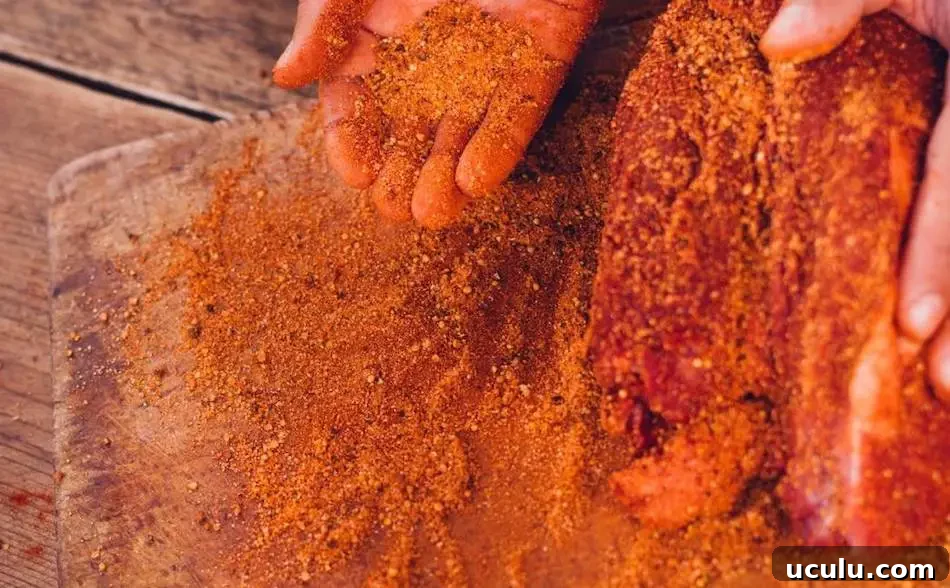
- Coat the brisket evenly with a generous layer of rub and let it rest so flavors penetrate.
- If you dry-brined, avoid oversalting by reducing salt in the rub.
Apply a Binder so the Rub Sticks
Binders help the rub adhere but don’t add noticeable flavor. Common binders include mustard, olive oil, Worcestershire sauce, or honey. Use what you prefer—mustard and oil are popular and effective.
Dry Brine the Brisket
Dry brining seasons the meat from within and helps retain moisture. Use about 1 teaspoon kosher salt per pound and refrigerate for at least six hours or up to 24 hours. After brining, pat the brisket dry and proceed with binder and rub.
Inject the Brisket for a Flavor Boost
Injecting adds moisture and seasoning deep into the meat, a common practice in competition BBQ. Typical injectables include beef broth, apple cider, Worcestershire, and spices. Injection is optional but can improve juiciness and flavor for long cooks.
Don’t Trust the Pit Boss Thermometer
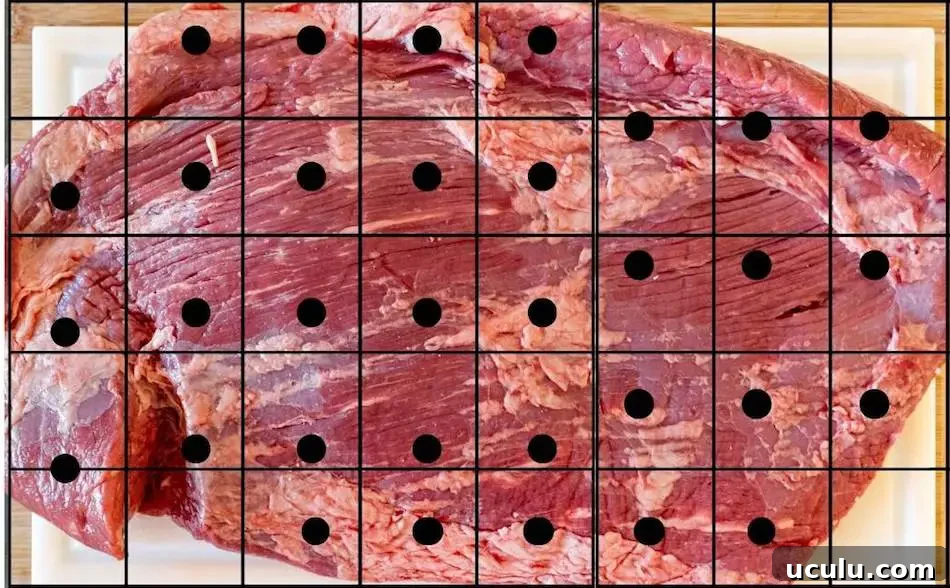
Many factory thermometers are inaccurate. Use a quality digital thermometer with a long probe and, if possible, multiple probes to monitor different parts of the brisket. Insert probes into the thickest muscle away from fat and bone. Remember the meat’s temperature can continue to rise after removal, so account for carryover when deciding doneness.
Mopping and Spritzing for Moisture
Lightly mopping or spritzing during the early phase helps maintain surface moisture, aids crust formation, and slows the cook slightly to allow connective tissue to break down. Common spritzes include apple juice, cider vinegar, beer or broth. Avoid over-wetting, which can wash away the rub.
Paper or Foil: Which to Use?
Wrap when the bark and color are right, usually around 150–160°F. Foil speeds cooking and retains moisture for a softer bark, while butcher paper breathes more and preserves a firmer crust. Try both to see which you prefer.
Allow Your Brisket Time to Rest
After reaching 203°F and confirming doneness across the roast, remove the brisket and rest for at least 30 minutes to an hour. Resting lets juices redistribute. If needed, keep the wrapped brisket in a dry cooler for up to four hours to hold before serving.
Slice and Leftovers
- Rest 30–60 minutes before slicing.
- Use a sharp, long knife and slice against the grain for tenderness.
- Slice only what you plan to serve to preserve moisture in leftovers.
- Store cooled leftovers in airtight containers for up to four days in the refrigerator or freeze up to three months.
My Favorite Brisket Tools
Tools that help a successful brisket cook include a reliable digital thermometer with multiple probes, an instant-read thermometer for spot checks, a sturdy injector (if you inject), and un-waxed butcher paper for wrapping. Invest in reliable gear and learn your grill—those two choices make the biggest difference in final results.