 While Thanksgiving is my favorite holiday for spending time with family, friends, and enjoying good food, it can be stressful when you need to eat gluten-free. Because food is central to the celebration, a table that isn’t entirely gluten-free can become a minefield. These practical tips will help you navigate Thanksgiving safely and enjoyably when the gathering is not 100% gluten-free.
Background
Recently I asked on Instagram Stories whether people’s Thanksgiving tables were entirely or partially gluten-free. Here were the responses:
- Entirely Gluten-Free: 29%
- Mostly Gluten-Free (perhaps a dish or two with gluten): 26%
- Partly Gluten-Free (one or two dishes gluten-free): 29%
- Only my plate was gluten-free (I brought my own food): 16%
With over 70% of respondents reporting some gluten present at the table, it’s important to share strategies for staying safely gluten-free and still enjoying the meal. I’ve previously published Top 10 Tips for enjoying the holidays gluten-free, which focuses on being proactive and having a plan. Those suggestions remain valuable; below are tips specifically aimed at navigating the Thanksgiving table itself.
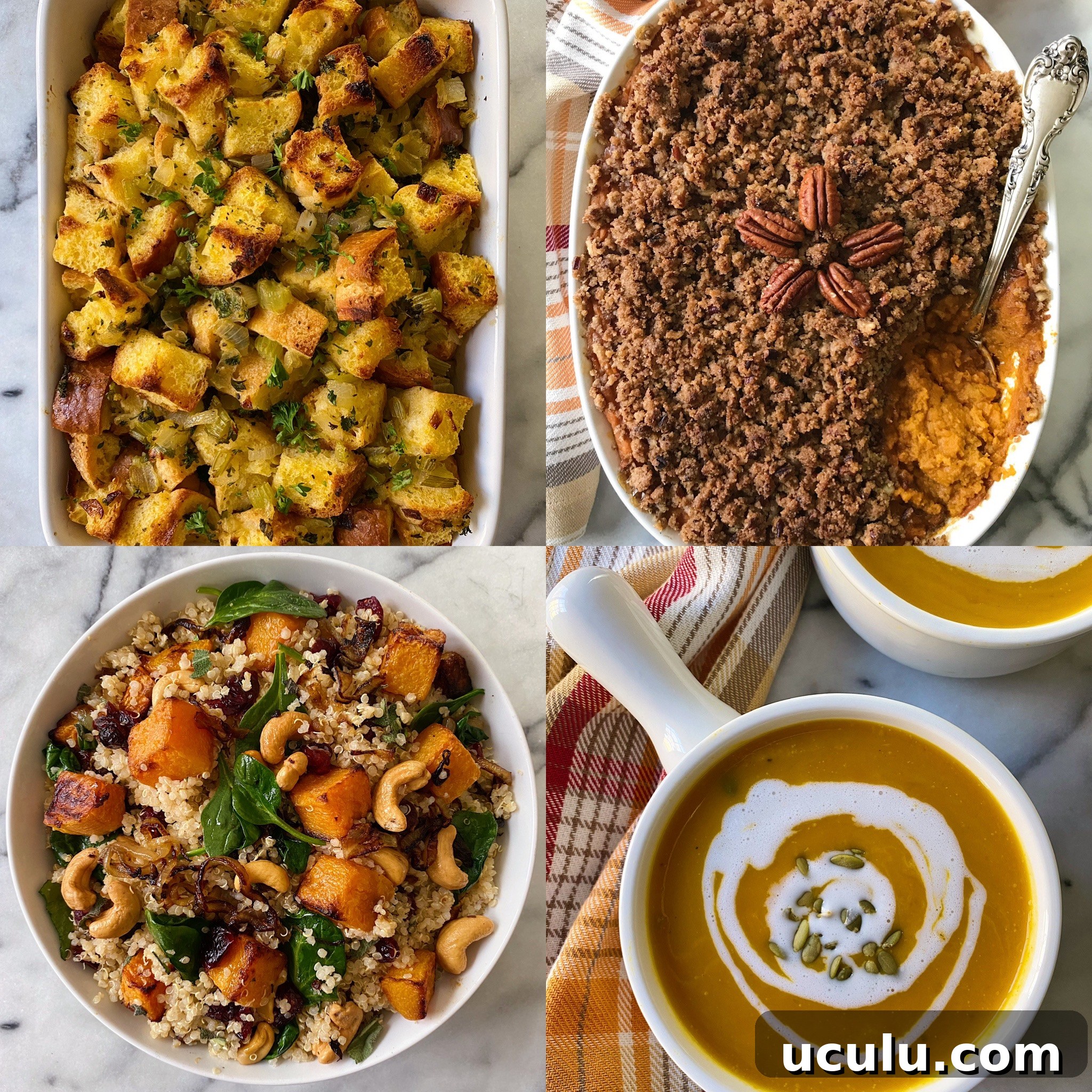
Our personal journey to mostly gluten-free
Thanksgiving is a large, multi-generational gathering in our family where everyone contributes dishes and cooks together on the day. Our first holiday after switching to gluten-free living, about eleven years ago, was filled with anxiety. Back then, fewer dishes were gluten-free and we were much more cautious to keep my son safe.
Over the years most recipes have been converted to gluten-free and my family learned about cross-contact, which allowed us to relax. Still, every year there’s usually at least one traditional stuffing or some bread on the table that contains gluten, so we stay attentive.
Last year we were a household of four and the whole meal was gluten-free — a lovely, stress-free change. Even when everyone “gets it,” having both gluten and gluten-free dishes at the same table keeps me on alert. As a parent, I’m often more anxious than my son, who handles it calmly!

Common pitfalls and simple solutions
1. Beware of a turkey stuffed with traditional stuffing
This has historically been the biggest challenge for us. My mother, though incredibly supportive and knowledgeable about gluten-free cooking, insisted on stuffing her turkey with classic bread stuffing. Our solution when gatherings were large was to prepare a gluten-free roast chicken in addition to the turkey. That ensured my son had a safe main protein.
If making a separate bird isn’t possible, consider preparing a safe protein ahead of time and reheating it at the event. When we hosted, frying the turkey allowed us to keep the meal entirely gluten-free — while other family members still enjoyed their traditional stuffing made separately.
2. Cross-contact from shared serving utensils
Shared serving spoons and cooking utensils are common sources of cross-contact. With many dishes and cooks in the kitchen, it’s easy for gluten to spread. Whenever possible, ask the host to use separate serving utensils for each dish and position gluten-containing items on a separate part of the table.
It helps to speak with your host before Thanksgiving, when they’re less busy. Explain cross-contact and request separate spoons. On the day, serve yourself first if the host can accommodate, and consider letting the person who needs gluten-free food take their portions before others. We often set aside extra portions of our son’s favorite dishes so he can serve himself safely.
3. Avoid being under-served — be proactive
Sometimes a gathering won’t have enough safe gluten-free choices. For planned holiday meals, the best approach is to be proactive: speak with the host in advance to explain your needs and find out which dishes will be available. That conversation helps you decide whether you’ll need to bring items or prepare more than usual.
Bring your favorite dishes. Many families have one or two must-have foods on Thanksgiving — identify yours and offer to make them gluten-free or bring them yourself. Desserts are easy to share, so bringing a gluten-free pie or cake guarantees you’ll have something to enjoy. If your host is unreceptive or the event is too large to feel safe, bring a complete plate of your preferred dishes so you can eat confidently.
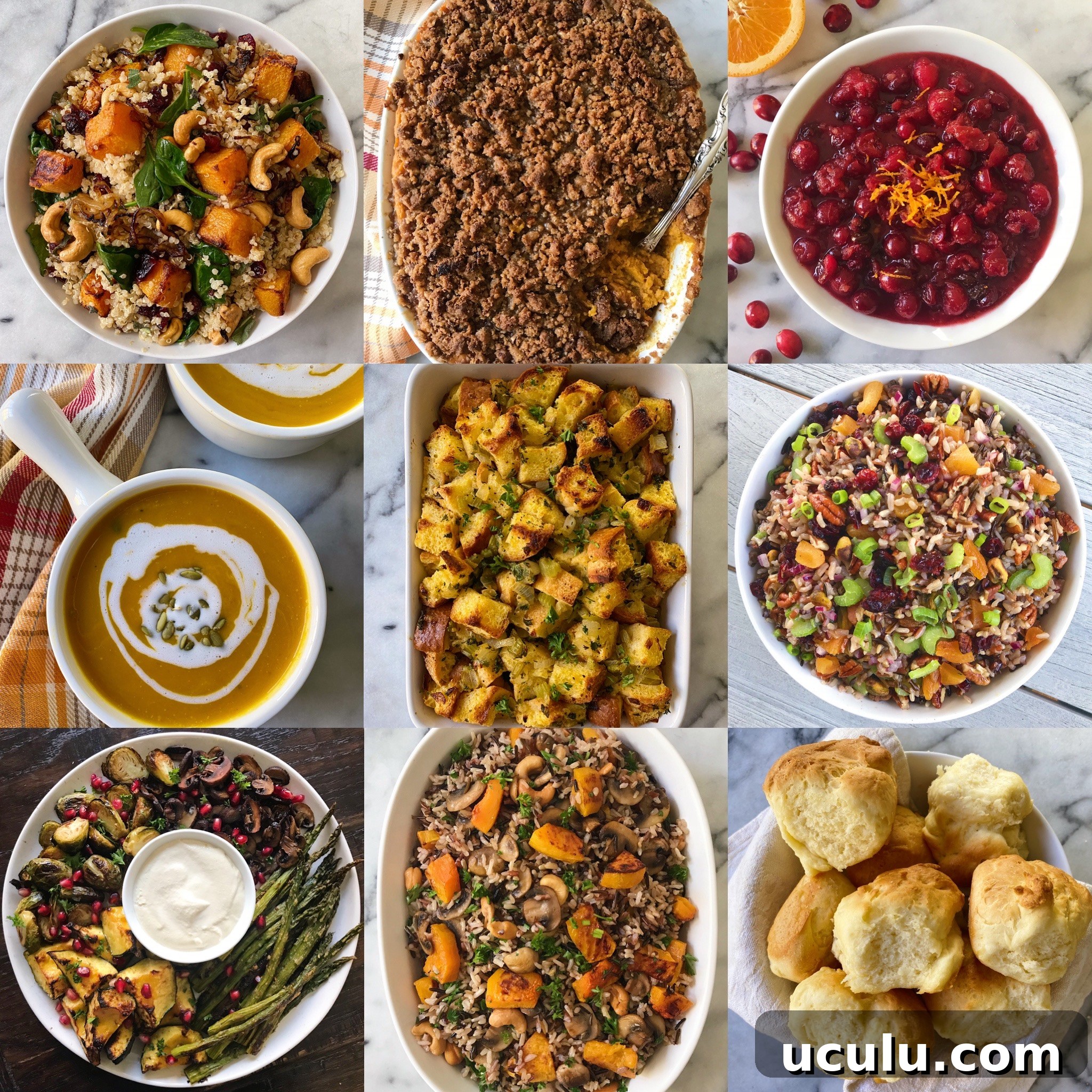
Menu ideas and simple swaps from past years
Appetizers
Cheeseboard — bring gluten-free crackers or ask the host to serve gluten and gluten-free crackers in separate bowls so the cheese stays uncontaminated.
Gluten-free crab quiche — made with a store-bought gluten-free crust; a family favorite that passes unnoticed.
Spinach-artichoke dip — serve with gluten-free crackers, or spoon a portion onto your plate first and enjoy it with your own crackers.
Dinner
Turkey — if the turkey is stuffed with gluten-containing stuffing, skip the stuffing. For large crowds, roast a separate chicken to keep a safe option; for smaller gatherings, consider bringing your own turkey or main protein.
Mashed potatoes — naturally gluten-free; confirm a separate serving spoon.
Sweet potato casserole with pecan crumble — make the crumble with gluten-free flour.
Gluten-free stuffing — use a trusted gluten-free recipe so everyone can enjoy it.
Cranberry sauce — naturally gluten-free.
Roasted Brussels sprouts and salads — naturally gluten-free options; ensure dressings are gluten-free and served with separate utensils.
Gluten-free dinner rolls and quick breads — make favorite breads like cranberry-orange or pumpkin using gluten-free recipes so they can be served at the table.
Desserts
Pumpkin pie — use a store-bought gluten-free crust or a homemade gluten-free crust.
Pumpkin sheet cake with cream cheese frosting — make it gluten-free so everyone can partake.
Pecan pie — replace with gluten-free pecan bars if needed.
Apple crisp — use gluten-free flour in the crumble topping. Many traditional desserts can be easily adapted with gluten-free flour without changing the taste.
For more ideas, compile a list of top gluten-free side dishes so everyone at the table can enjoy a variety of safe options.
Leave a comment below and tell me about your Thanksgiving — how do you stay gluten-free?