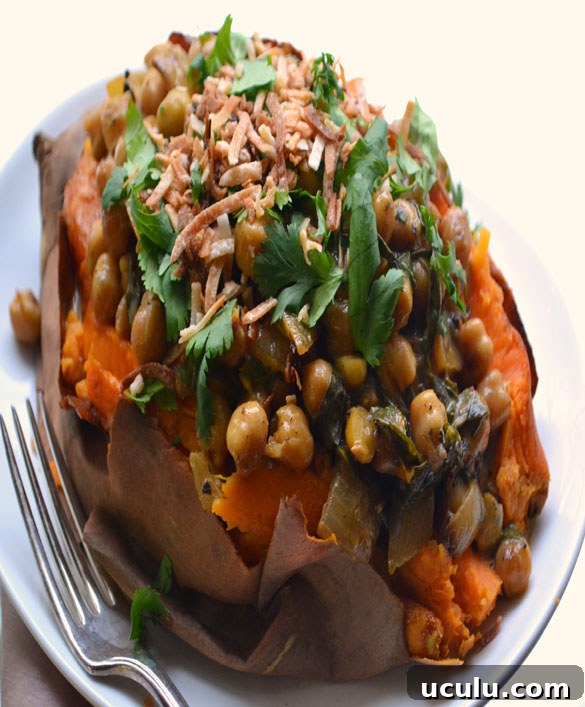
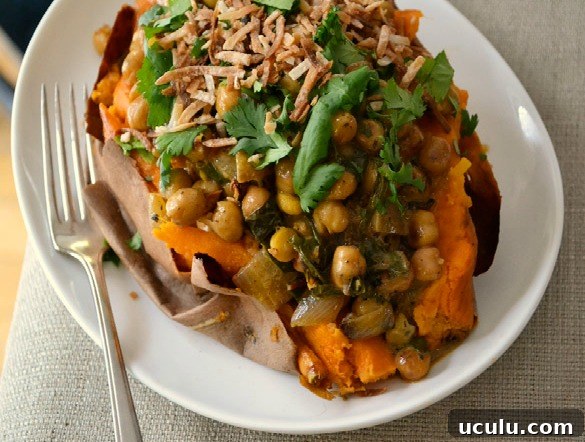
I found this recipe while browsing The Kitchn as I was researching how to open a fresh coconut, and the idea wouldn’t leave me. I can’t remember the last time I craved something this hard that wasn’t a burger. So despite an early start to the day, a sick child tucked in watching cartoons, and Mike calling to say he’d be out late, I decided to make it just for myself. It would have been easy to settle for apple slices and eggs on toast, but this felt worth the effort.
The original recipe is bright with lemon, garlic, ginger and sun‑dried tomatoes, which I’m sure is excellent. Once I started cooking, though, I couldn’t resist adding a spoonful of curry. The final dish became more layered than a simple curry, with lemon taking a leading role. Next time I might tone down the lemon or swap it for lime, and perhaps stir in a spoonful of peanut butter for creaminess. I love dishes like this—especially when they’re served over a roasted sweet potato. It made a perfect, cozy dinner eaten in pajamas, under the covers with my laptop and my sick kid, who didn’t even ask to share. (He had eggs and toast.)
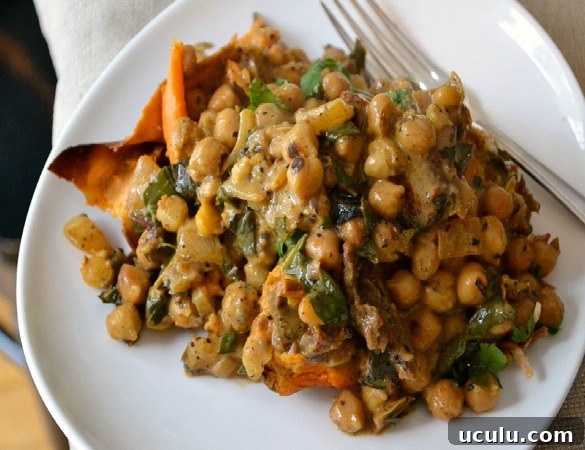
To roast sweet potatoes (choose dark‑fleshed varieties) poke them a few times with a fork and place them directly on the oven rack. Bake at 350°F (or 400°F, depending on your oven) for about an hour—or longer or shorter depending on size—until the skin separates from the flesh and the center is soft. You can roast them ahead of time whenever the oven is on; keep them chilled in their skins and reheat when ready to serve.
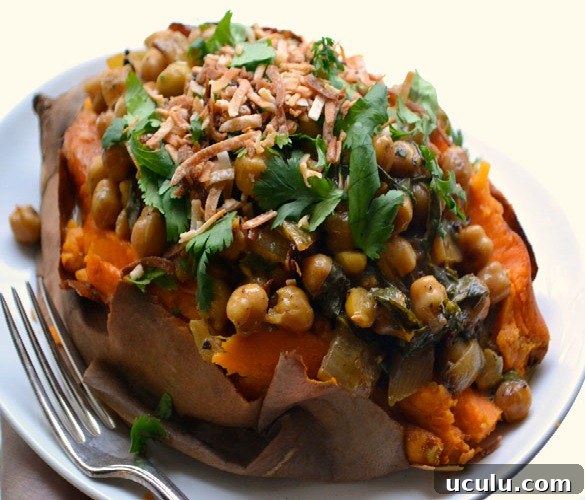
After dinner I put away the leftovers—already promising for tomorrow—and found a tray of roasted pumpkin chunks in the oven. They were a touch overdone: very soft inside and crisp at the edges. I dipped several pieces in the remaining sauce at the bottom of the pan and it was divine. Next time I might skip the roasted sweet potato and use roasted squash instead; the salty, citrusy sauce pairs beautifully with the earthy sweetness of squash. Delicious.
This coconut‑braised chickpea dish hits the sweet, savory and tangy notes all at once. It’s flexible, forgiving and ideal for transforming simple roasted vegetables into a comforting, flavorful meal. Try adjusting the lemon, adding a nutty element like peanut butter, or experimenting with roasted squash for variation—the core sauce adapts well to small tweaks and leftovers.