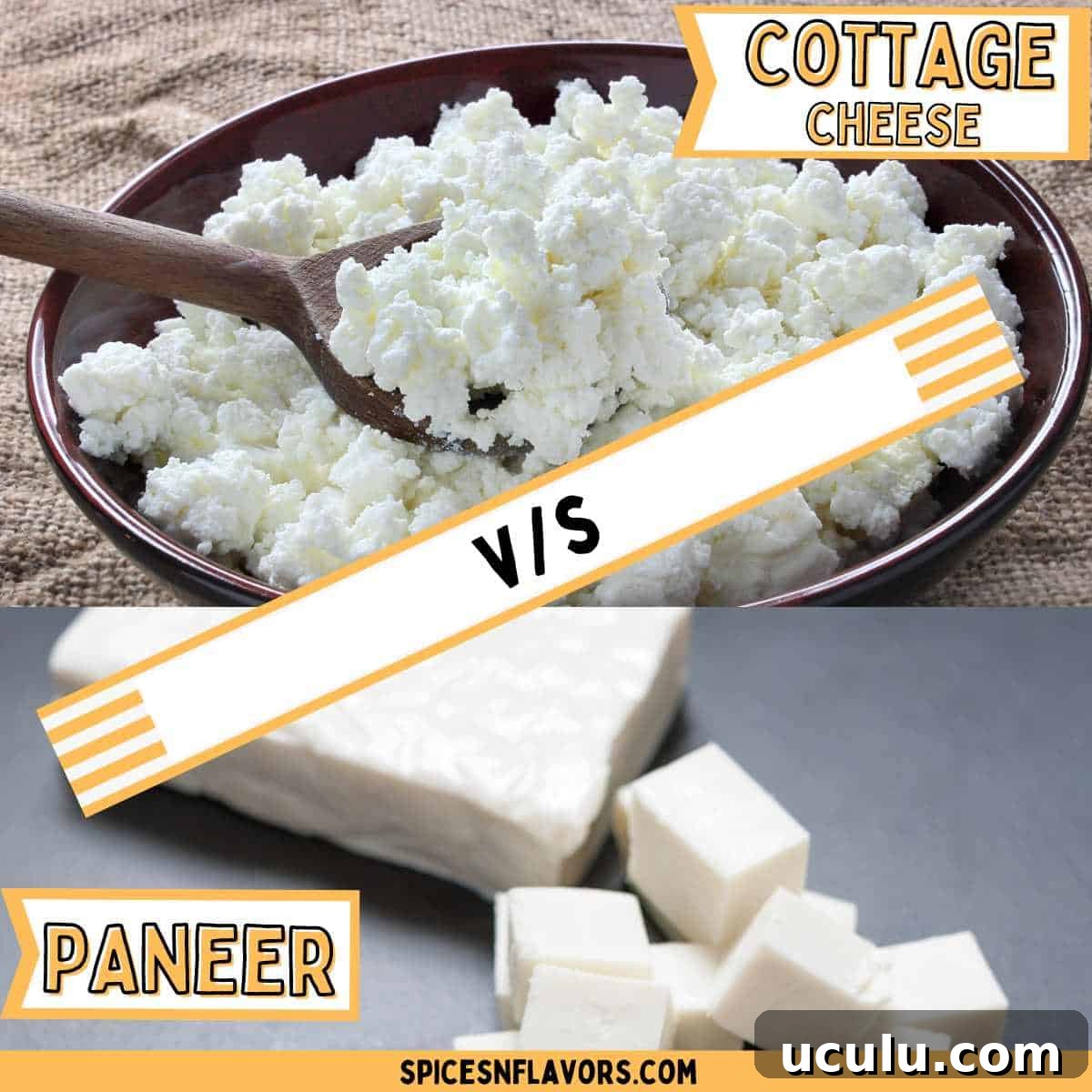
Cottage Cheese vs Paneer: Aren’t they the same?
Have you ever wondered whether “cottage cheese” and “paneer” are simply two names for the same dairy product? They look similar at first glance, but key differences in preparation, texture, and typical uses make them distinct. This article explains those differences and offers guidance on when you can substitute one for the other in recipes.
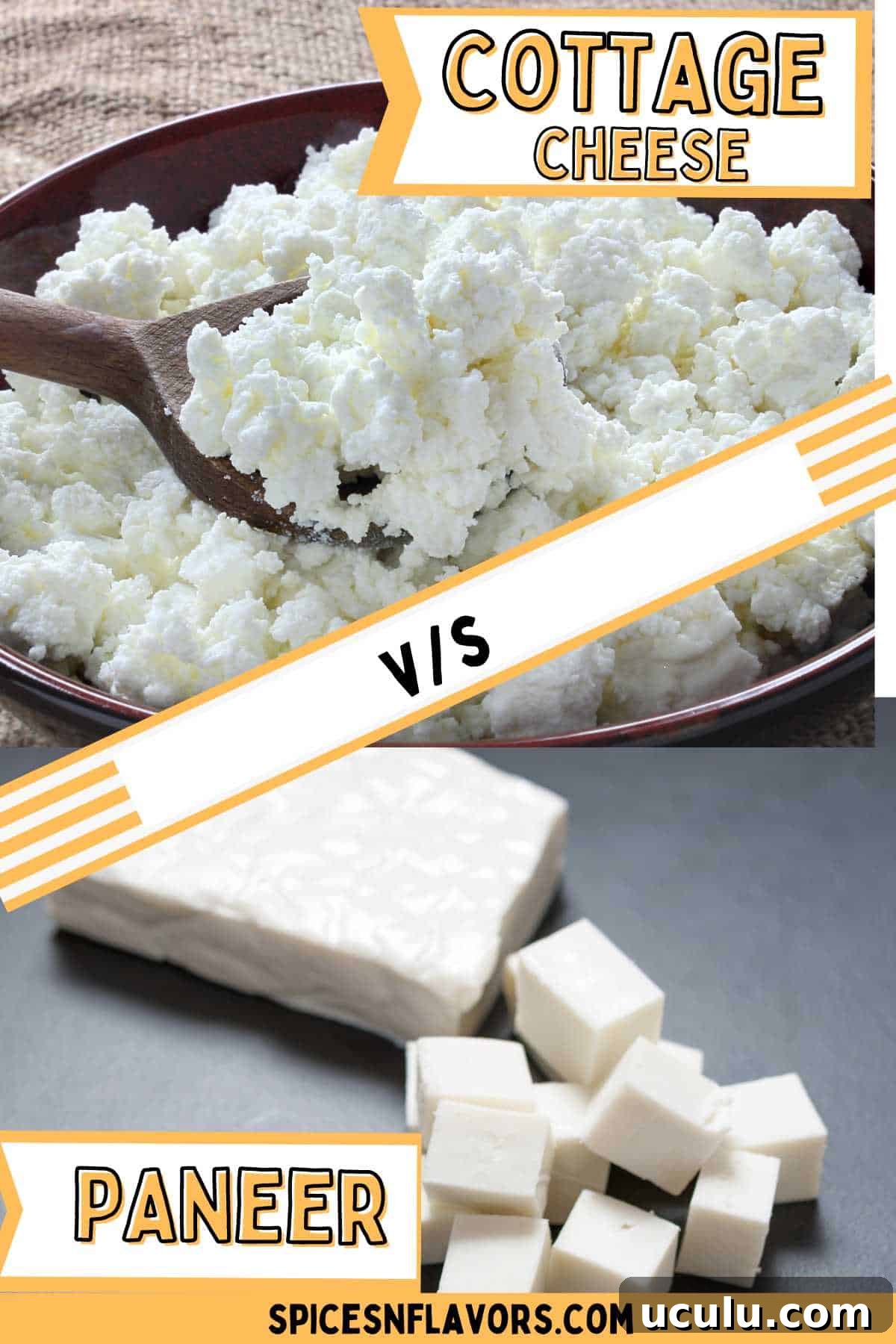
Is Cottage Cheese and Paneer the same thing?
No, cottage cheese and paneer are not the same.
Although both are fresh cheeses made by curdling milk, they differ in production technique, texture, flavor, and common culinary uses. Cottage cheese is typically creamy and slightly tangy and is common in Western dishes. Paneer is pressed to remove moisture, resulting in a firmer, crumbly texture and a neutral taste that makes it a staple of Indian cuisine.
These distinctions mean they are not always interchangeable, though there are situations where a substitution works well.
Can You Interchange Cottage Cheese and Paneer in Recipes?
Yes—sometimes. You can often swap cottage cheese and paneer in dishes where texture and moisture content are not critical to the outcome. For example, when a recipe calls for crumbled or blended cheese, cottage cheese can be a reasonable replacement. Conversely, when a recipe depends on firm cubes or slices, paneer is the better choice.
Confusion is common partly because some restaurant menus label paneer dishes as “cottage cheese” in English, which adds to the misconception that they are identical. Understanding each cheese’s characteristics helps you choose the best fit for a dish.
Armed with that knowledge, home cooks and diners can make more informed choices and achieve better results when cooking.
What is Cottage Cheese?
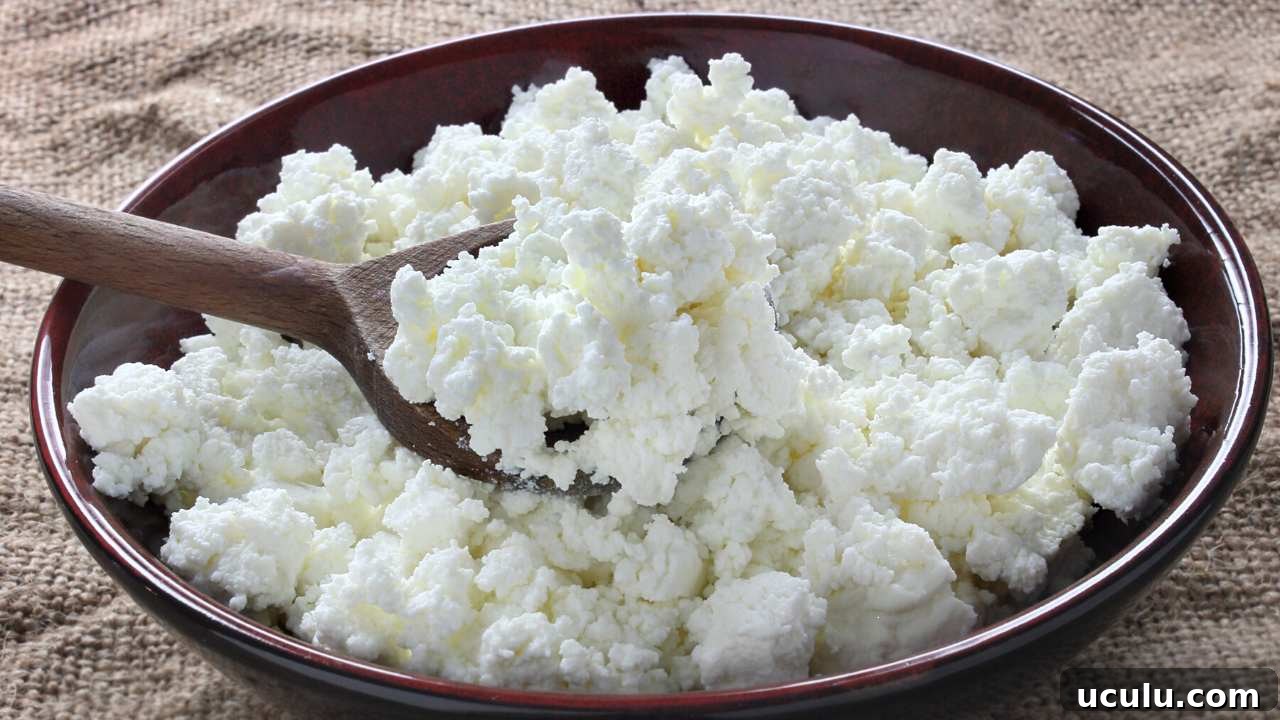
Cottage cheese is a fresh dairy product made from the curds of cow’s milk. The milk is acidified—commonly with lemon juice, lime juice, or vinegar—causing proteins to coagulate and form curds. After separating the curds from the whey, the curds are typically left with some moisture and often mixed with a light cream, giving cottage cheese its characteristic creamy, lumpy texture and slightly tangy flavor.
Its versatility makes cottage cheese suitable for salads, dips, fillings, baked dishes, and a variety of sweet recipes. It is also a good source of protein and calcium, which contributes to its popularity in many diets.
What is Paneer?
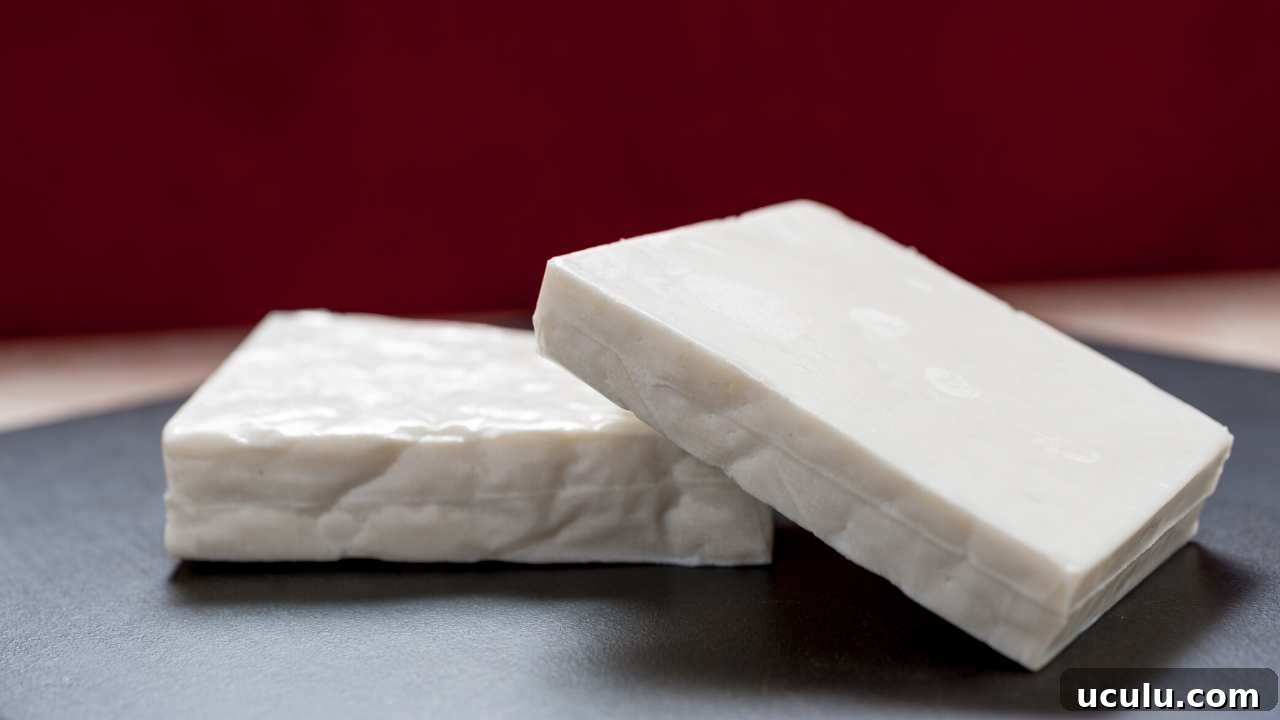
Paneer is a fresh cheese widely used across the Indian subcontinent. Like cottage cheese, it is made by curdling milk with an acid such as lemon juice or yogurt. The key difference is that the curds are collected and then pressed to remove excess moisture, creating a firm, crumbly block that can be sliced or cubed.
Paneer has a mild, neutral flavor that readily absorbs spices and sauces, which is why it features heavily in Indian curries, snacks, and desserts. It is also a nutritious source of protein and calcium.
One Main Difference
The principal difference lies in the finishing step: paneer is pressed to remove excess moisture, resulting in a firm texture that can be sliced. Cottage cheese retains more moisture and a lumpy, creamy consistency that is not suitable for slicing. That single step shapes how each cheese behaves in cooking and what recipes they best serve.
Differences between the two
| Aspect | Cottage Cheese | Paneer |
|---|---|---|
| Texture | Creamy and lumpy | Firm and crumbly |
| Flavor | Slightly tangy | Neutral |
| Production Method | Curdled with acid (e.g., lemon juice or vinegar) | Curdled with acid (e.g., lemon juice or yogurt) and pressed |
| Pressing | Minimal | Pressed to remove moisture |
| Culinary Uses | Western dishes, salads, desserts | Indian cuisine, curries, snacks, desserts |
| Slicing/Shaping | Not suitable for slicing | Suitable for slicing and shaping |
| Common Applications | Cheesecakes, fruit parfaits, pancakes, smoothies | Indian sweets (rasgulla, sandesh), curries |
| Nutritional Content | Good source of protein and calcium | Good source of protein and calcium |
This table summarizes the practical distinctions to help you decide which cheese works best in a recipe.
Similarities between the two
Despite their differences, cottage cheese and paneer share important similarities: both are fresh, milk-based cheeses made using acidic curdling agents; both are rich in protein and calcium; and both are most commonly made from whole or full-fat milk. Their versatility makes them suitable for both savory and sweet dishes depending on how they are prepared and used.
Can I press cottage cheese to make paneer?
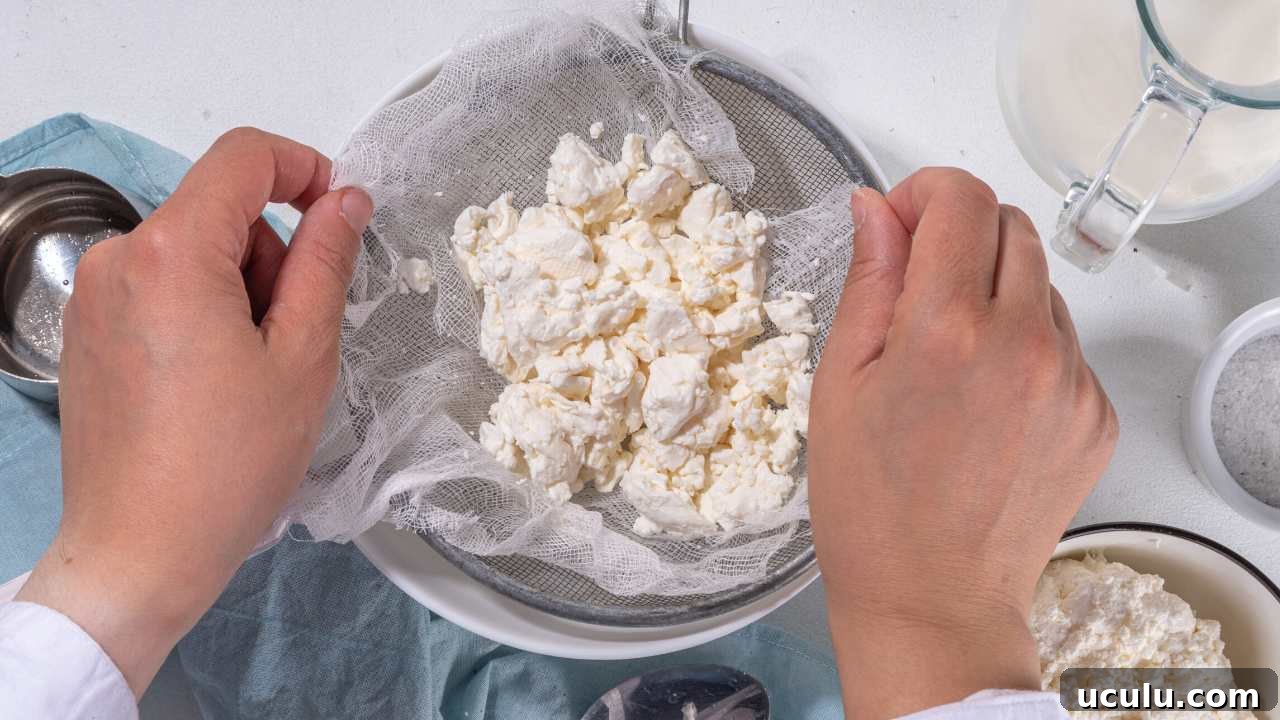
Pressing cottage cheese will not reliably convert it into paneer because cottage cheese curds form and are handled differently, often with added cream or retained moisture. While pressing will remove some liquid, the texture and structure developed during initial preparation differ from paneer, so the result will not be the same.
Cottage Cheese vs Paneer in savory recipes
Cottage cheese and paneer can both be used in savory dishes, but the choice depends on the recipe and the texture you want.
Using Cottage Cheese in Savory Recipes:

Cottage cheese’s creaminess and slight tang make it excellent in salads, blended dips, stuffed vegetables, and baked dishes such as lasagna where it can substitute for ricotta. It blends well with herbs and seasonings and adds body without overwhelming other flavors.
Using Paneer in Savory Recipes:

Paneer’s firm texture makes it ideal for curries, stir-fries, skewers, and fritters. It soaks up spices and sauces without disintegrating, which is why it’s used in classic dishes like palak paneer and paneer tikka.
Swapping Cottage Cheese and Paneer:
Substitutions are possible in many recipes. Use cottage cheese when a creamier texture is acceptable or desired. Use paneer when the dish requires intact cubes or slices. In curries where paneer is cubed, cottage cheese can be used but will yield a softer, creamier result. Consider the dish’s texture requirements before swapping.
Cottage Cheese vs Paneer in Desserts

Both cheeses have roles in desserts, though they often serve different functions depending on the cuisine.
Using Cottage Cheese in Desserts
Cottage cheese works well in cheesecakes, fruit parfaits, pancakes, and other Western-style desserts, where its creamy body and mild tang enhance texture and flavor. Blended cottage cheese can replace heavier cheeses for a lighter, protein-rich alternative.
Using Paneer in Desserts:
Paneer is central to many traditional Indian sweets such as rasgulla, rasmalai, sandesh, and kalakand. Its crumbly, slightly spongy texture soaks up sweet syrups and flavored milks, creating classic dessert textures and flavors when made fresh.
Swapping Cottage Cheese and Paneer in Desserts:
Substitutions are possible for certain desserts. Cottage cheese can be used in cheesecakes and some crumbled preparations for a creamier texture, while paneer is preferable for traditional Indian sweets that rely on its specific texture. Expect differences in mouthfeel and moisture when swapping.
Frequently Asked Questions
Yes, you can substitute cottage cheese in recipes where paneer is used in a crumbled or blended form, such as fillings or bhurji-style dishes. Be aware the texture will be creamier.
Heat milk, add an acid like lemon juice or vinegar to curdle it, then strain the curds from the whey and rinse. Optionally mix with a small amount of cream if you prefer a richer texture.
Both offer protein and calcium. Paneer is firmer and lower in moisture, so it can have a higher protein density by weight. Nutritional differences depend on milk fat content and portion size.
What are some popular dessert recipes using cottage cheese?
Popular options include cheesecakes, fruit parfaits, ricotta-style pancakes, and other creamy desserts that benefit from its texture and mild tang.
Are cottage cheese and paneer vegetarian?
Yes. Both are made from milk and do not require animal rennet when prepared traditionally, making them suitable for vegetarian diets.
You can freeze both, but expect texture changes on thawing. Thawed cheese is often better used in cooked dishes rather than served fresh.
Yes, but the curry will have a creamier texture and may be less structured than one made with paneer cubes. Consider stirring cottage cheese in toward the end or blending it for a consistent texture.
Common curdling agents include lemon juice, yogurt, vinegar, apple cider vinegar, and citric acid. Any acid that separates curds from whey can be used to make paneer or cottage-style cheeses at home.
Conclusion
The defining difference between cottage cheese and paneer is the pressing step used in paneer production. That single technique creates paneer’s firm, sliceable texture and cottage cheese’s creamy, lumpy character.
Cottage cheese is well suited to Western-style salads, dips, baked dishes, and desserts, while paneer is a cornerstone of Indian savory and sweet dishes. Still, both cheeses are versatile, nutritious, and can be substituted for each other in many recipes if you account for changes in texture and moisture.
In the kitchen, experiment with both to discover how their unique qualities can enhance different dishes—your preference and the needs of the recipe will guide the best choice.