Navigating which foods to avoid with celiac disease can be difficult. Although celiac is a common autoimmune condition, many people remain unaware of what it really means and how it affects the body.
There are lots of misconceptions — for example, that celiac disease is simply a wheat allergy. This article explains what celiac disease is, how gluten affects the body, and which foods to avoid. With clear information, you can make informed choices about whether a gluten-free diet is right for you.
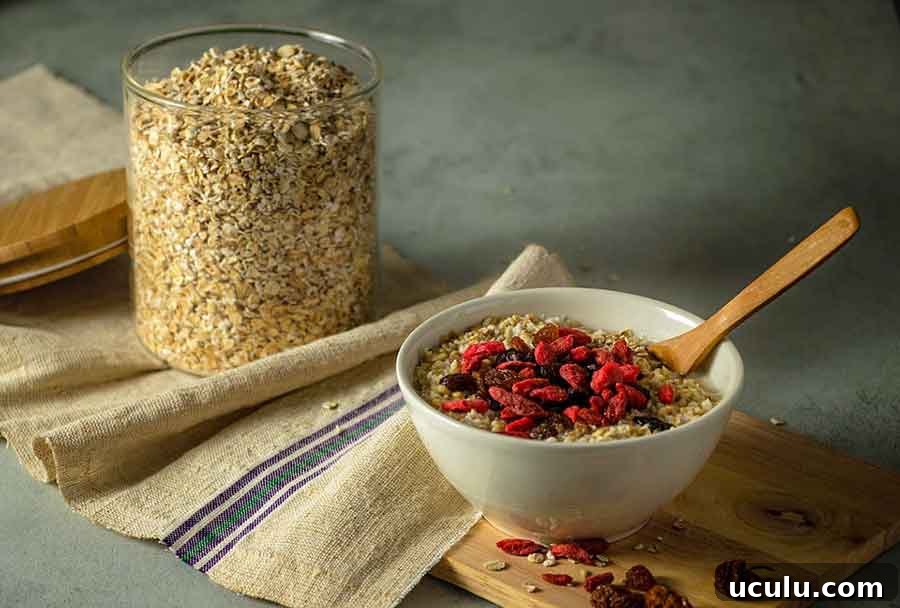
What is celiac disease?
Celiac disease is a serious autoimmune disorder that affects genetically predisposed people. When someone with celiac ingests gluten, their immune system attacks the lining of the small intestine. This damages the villi, the tiny finger-like projections that absorb nutrients, which can cause malnutrition and other serious complications.
It is estimated that celiac disease affects about 1 in 100 people worldwide, and many remain undiagnosed. Because symptoms can be varied or mild, testing is important to identify the condition and avoid long-term health consequences.
What is gluten?
Gluten is a group of proteins found in wheat, barley, rye, spelt and related grains. It gives dough its elastic, chewy texture — the stretch in bread and pretzels comes from gluten. While useful for baking, these proteins trigger an immune response in people with celiac disease and in some others with gluten sensitivity.
Gluten is not a single molecule but a mixture of proteins. In susceptible people it can cause a range of digestive and systemic symptoms; research continues on other possible links between gluten and various health conditions.
Key facts about celiac disease
Understanding celiac disease helps make better health decisions. Below are common questions and clear, practical answers to help you and your family navigate diagnosis and daily management.
Celiac testing — is it important?
Yes. Celiac disease and non-celiac gluten sensitivity can produce similar symptoms but have different causes and implications. Accurate testing is essential before starting a gluten-free diet, because beginning the diet prior to testing can normalize blood markers and make diagnosis difficult.
Getting tested helps confirm whether symptoms are due to celiac disease or another condition, so you can follow the correct management plan.
Is celiac disease genetic?
Celiac disease has a strong genetic component. It can develop at any age, and first-degree relatives of someone with celiac disease have a higher risk of developing it themselves. Family screening is often recommended when a case is confirmed.
Is celiac disease curable?
There is no cure for celiac disease. The only effective treatment is a strict, lifelong gluten-free diet. Avoiding gluten prevents further intestinal damage and allows the small intestine to heal over time.
Is celiac disease an allergy?
No. Celiac disease is an autoimmune condition, not an allergy. When a person with celiac consumes gluten, their immune system produces antibodies that damage intestinal tissue. This is different from an allergic response, which involves a different immune pathway.
Are all spices gluten-free?
Most single-ingredient spices are naturally gluten-free. However, spice blends can sometimes be adulterated with wheat flour or starch, or become cross-contaminated during processing. To be safe, choose labelled gluten-free spices or trusted brands, especially for imported or blended products.
How to live with celiac disease?
Living with celiac disease means adopting a strict gluten-free diet for life. This requires avoiding foods that contain wheat, barley, rye, spelt and related grains, and being vigilant about hidden sources of gluten in processed foods and non-food items.
With strict adherence to a gluten-free diet, many people feel better within days to weeks, while intestinal healing can take several months to years. Regular follow-up with healthcare providers and possibly a dietitian helps ensure nutritional needs are met and recovery progresses.
Foods to avoid with celiac disease
Anyone with celiac disease should avoid obvious gluten-containing grains and many common products that include gluten as an ingredient. Major grains and ingredients to avoid include:
- Wheat and wheat varieties (including graham, durum, semolina, farina, spelt)
- Barley
- Rye
- Triticale
- Malt and malt-containing products
- Bulgur
Hidden sources of gluten can appear in medications, dietary supplements, modified food starch, some sauces and gravies, processed meats, and many packaged foods. Non-food items such as certain toothpastes, lip products, communion wafers and craft supplies (like playdough) can also contain gluten or be cross-contaminated, so check labels and consult manufacturers when in doubt.
Packaged foods that commonly contain gluten include:
- Many rice mixes and seasoning packets
- Beer, ales, lagers and malt vinegar
- Gravies, some sauces and salad dressings (including regular soy sauce)
- Processed luncheon meats and imitation seafood
- Seasoned snack foods and some soups
- Seitan and other wheat-based meat substitutes
As you become familiar with gluten-free options, focus on whole, naturally gluten-free foods — vegetables, fruits, lean meats, fish, legumes, nuts, dairy (if tolerated), potatoes, rice, quinoa and certified gluten-free grains and flours.
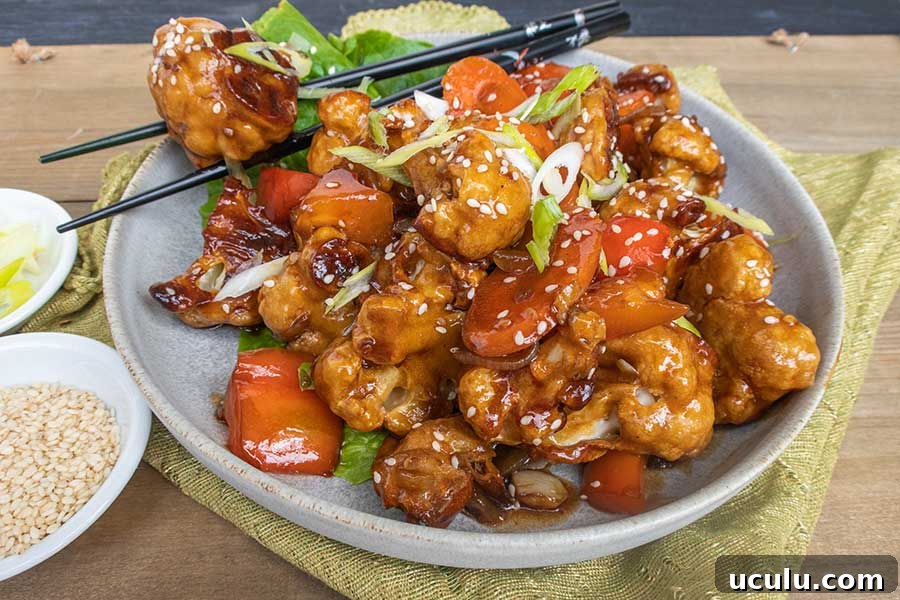
gluten-free Kung Pao cauliflower
Healthy recipe ideas for people with celiac disease
Starting a gluten-free diet can feel overwhelming at first, but it doesn’t mean sacrificing flavour or variety. Many delicious, nourishing recipes are naturally gluten-free or can be adapted easily.
Common questions new to the diet include whether gluten-free recipes can be tasty and how to make substitutes that work. The answer is yes: with a few pantry swaps and a focus on whole foods, you can enjoy satisfying meals without gluten.
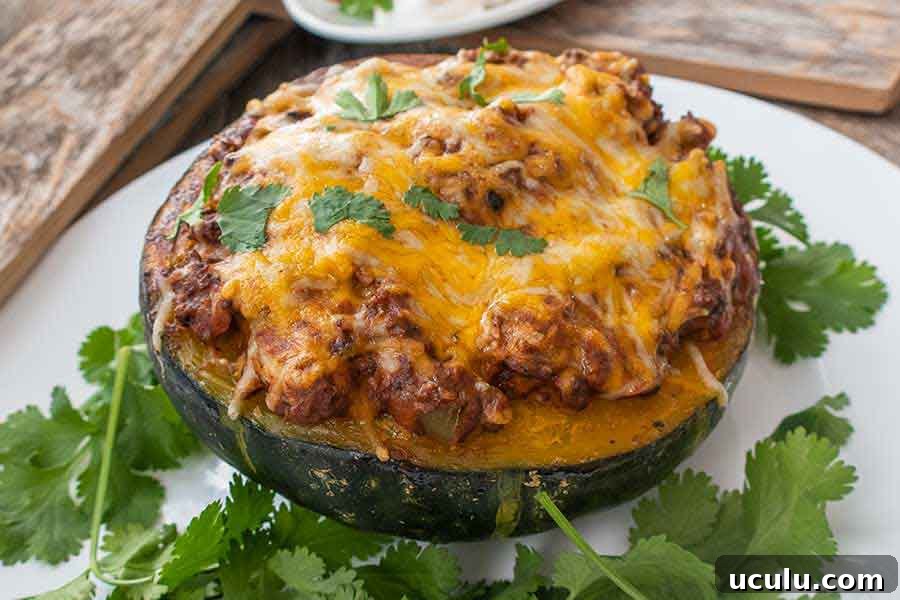
taco stuffed roasted kabocha
Here are some recipe categories that are helpful when transitioning to gluten-free cooking:
-
Gluten-free recipes for beginners
-
Celiac-friendly diet recipes
-
Gluten-free desserts
-
Gluten-free vegetarian and vegan recipes

gluten-free strawberry tiramisu
You can begin today to nourish your body with gluten-free meals that support healing and wellbeing. With time and experience, planning and preparing gluten-free food becomes easier and more enjoyable.
Kristina xx
Disclaimer: This article is not intended to provide medical advice, diagnosis or treatment. Views expressed here do not necessarily reflect those of only gluten-free recipes or its staff.