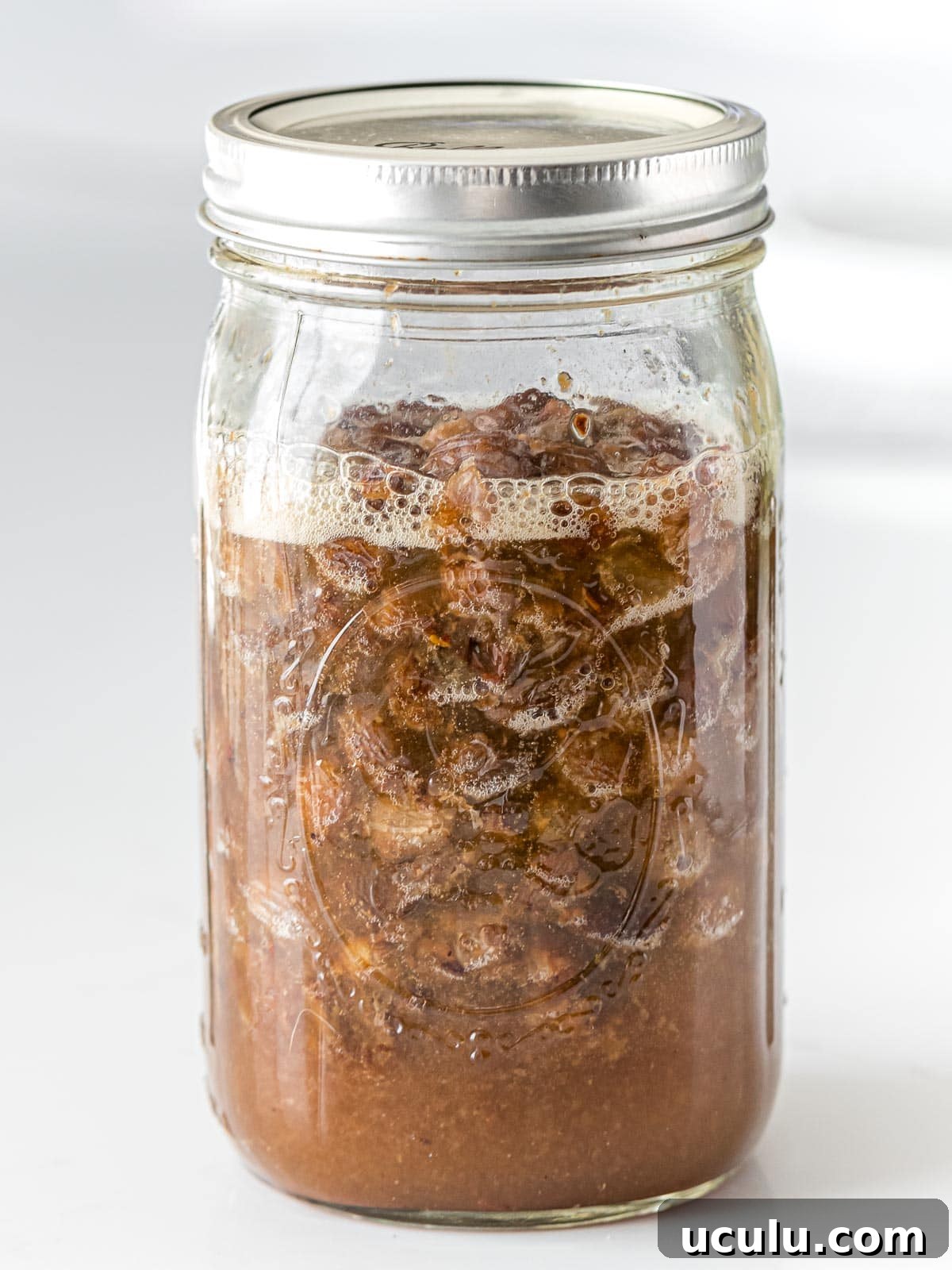
Yeast water is made by capturing and cultivating wild yeast found on fruit. When left to ferment, this water can be used to create a wild yeast starter that’s perfect for all kinds of baking and is a great substitute for sourdough starter.
What is yeast water?
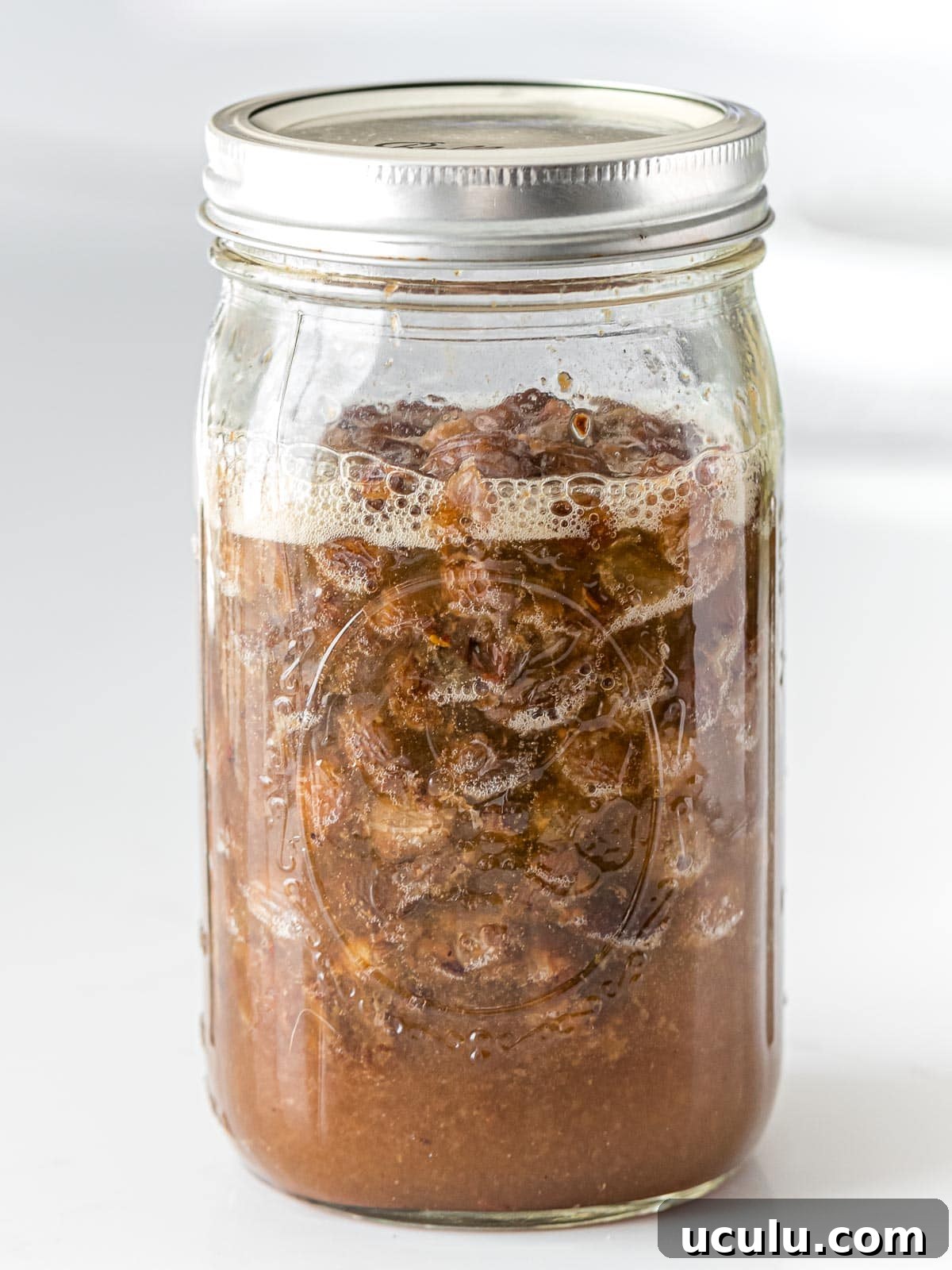
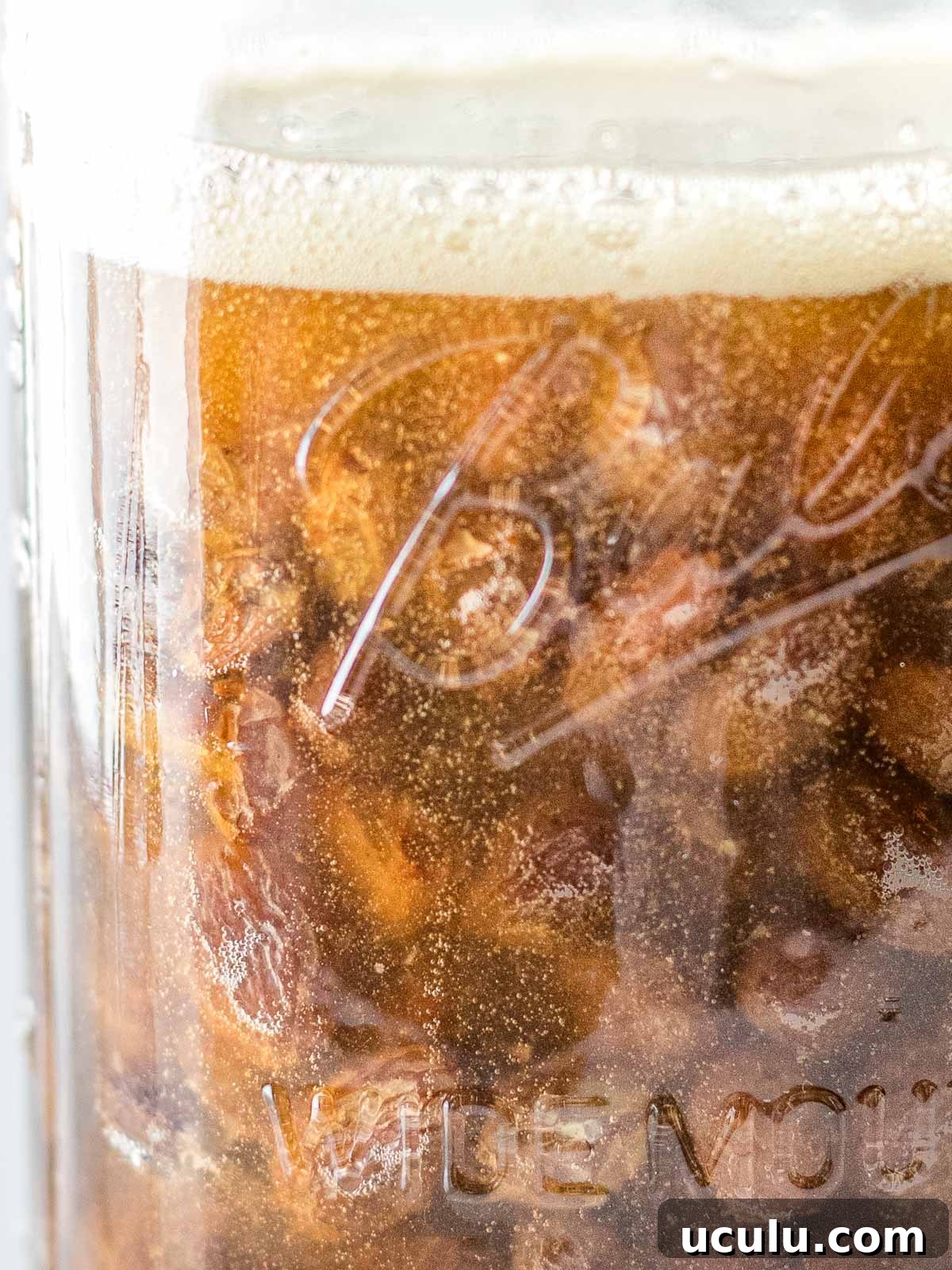
Yeast water is simply water and fruit that have been left to ferment so wild yeast from the fruit skin becomes active in the liquid. Over a few days the mixture develops bubbles and a light carbonation as the yeast consumes sugars and produces carbon dioxide and other fermentation byproducts.
Wild yeast lives naturally on many fruits. When submerged in sugar water, those yeasts multiply and create a bubbly, active liquid that can be used to start naturally leavened breads or refreshed into a wild yeast starter.
How do you use it?
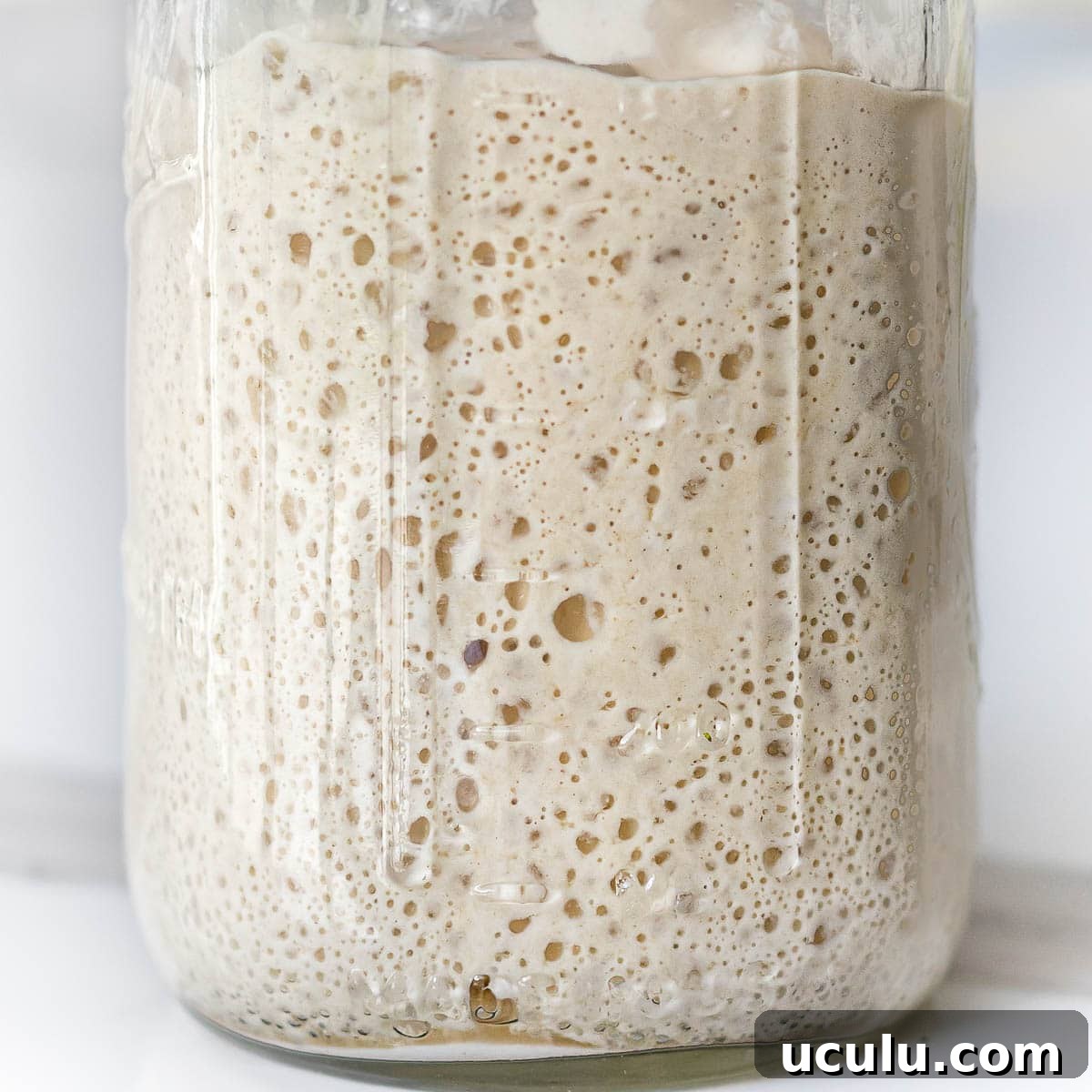
You can use yeast water to create a wild yeast starter for naturally leavened bread. It’s a reliable method and often easier to establish than a traditional starter because you aren’t discarding during the build process.
Mixing yeast water with flour produces an active starter that will leaven bread once fully developed. Many bakers convert yeast water into a full sourdough starter using repeated feedings of flour and water.
Ingredients you’ll need
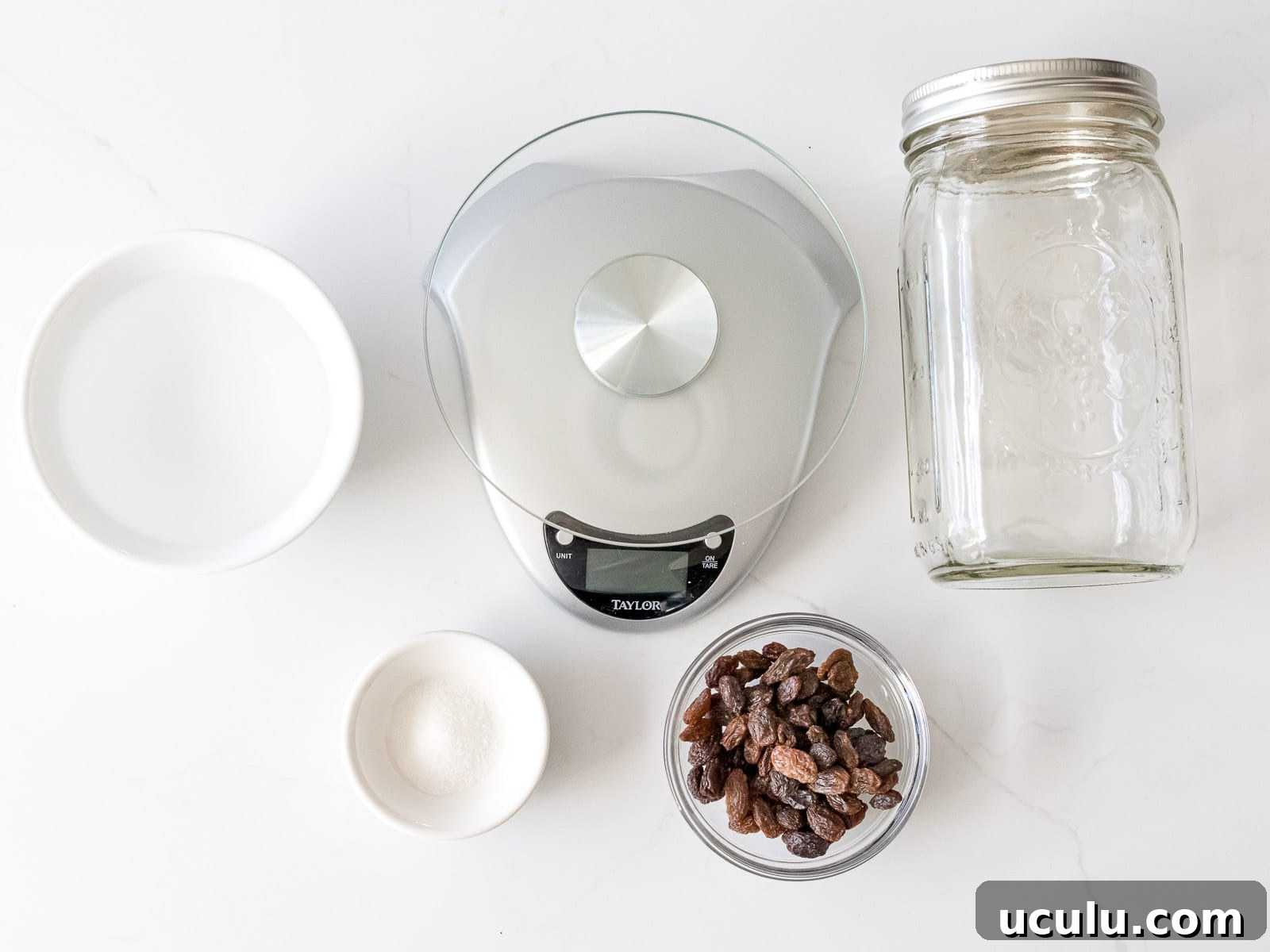
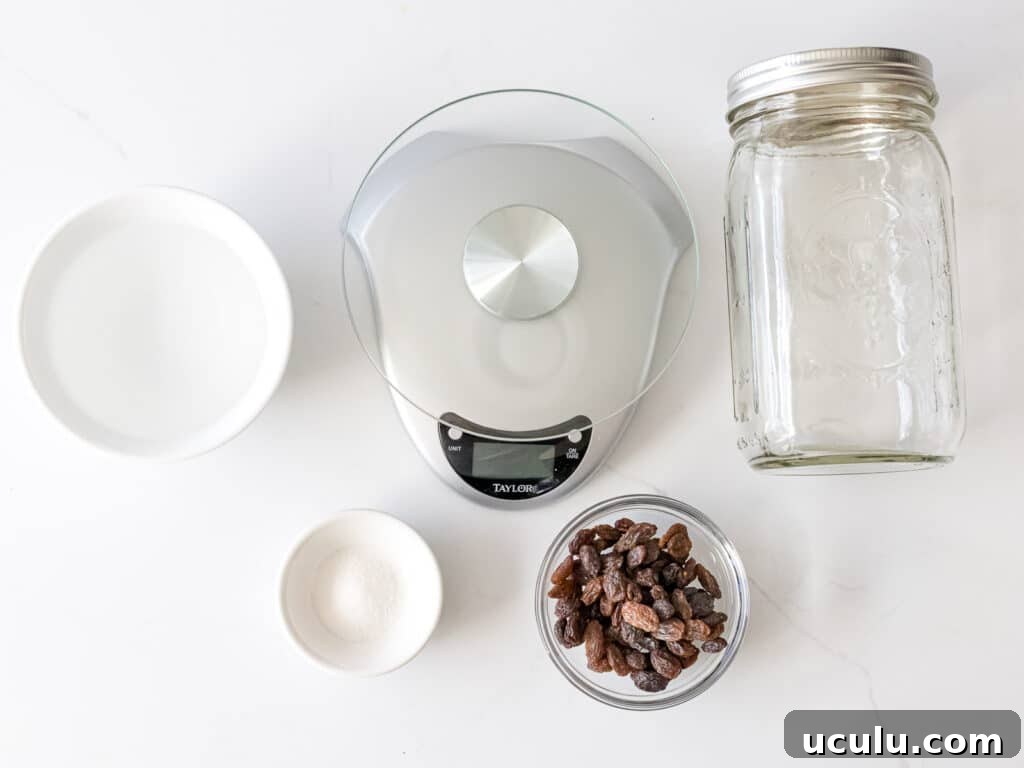
- Raisins – Organic, preservative-free raisins are best. Some commercial raisins are treated with sulfur dioxide or coated in oil, which can inhibit yeast. Dried figs or dates also work.
- Water – Use filtered water if possible. If you must use tap water, leave it uncovered for 24 hours to dissipate chlorine.
- Sugar – A small amount of sugar feeds the yeast and encourages carbonation.
- Clear jar with an airtight lid – A clear jar makes it easy to monitor activity. The lid should seal well because you’ll be shaking the jar twice daily.
Step by step instructions
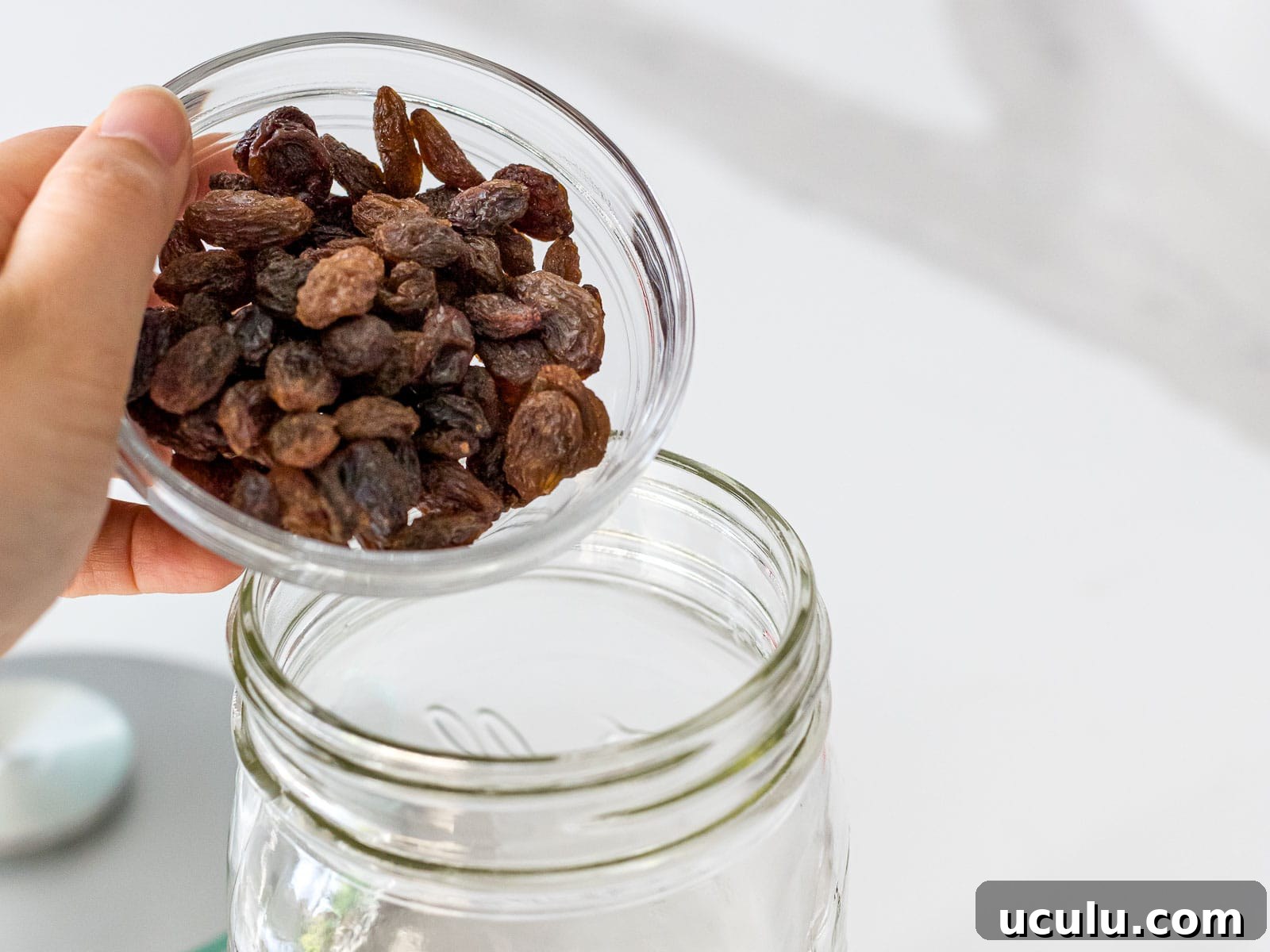
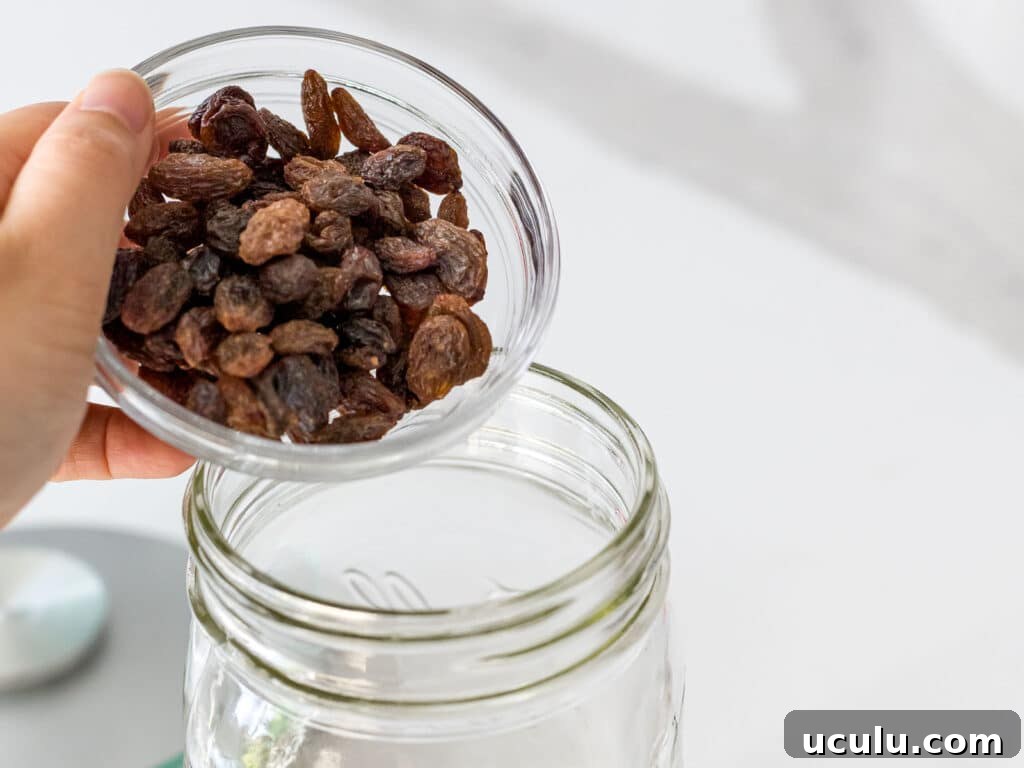
Combine the water, raisins, and sugar in a clean jar, seal it, and shake until the sugar dissolves. Place the jar in a warm spot out of direct sunlight. I usually leave mine on the counter at about 74–76°F. Expect fermentation activity in about 3–4 days, though timing varies with temperature and the fruit used.
Shake the jar vigorously morning and evening, then open the lid briefly each time to release excess gas. Below are typical changes you’ll notice as the mixture ferments.
Day 1–2: The water will look clear but tinted from the raisins. By day 2 it may show slight cloudiness. Raisins generally sit on the bottom at this stage because little carbon dioxide has been produced yet.
-

Day 1 – water is clear but colored from the raisins -
Day 2 – slight cloudiness
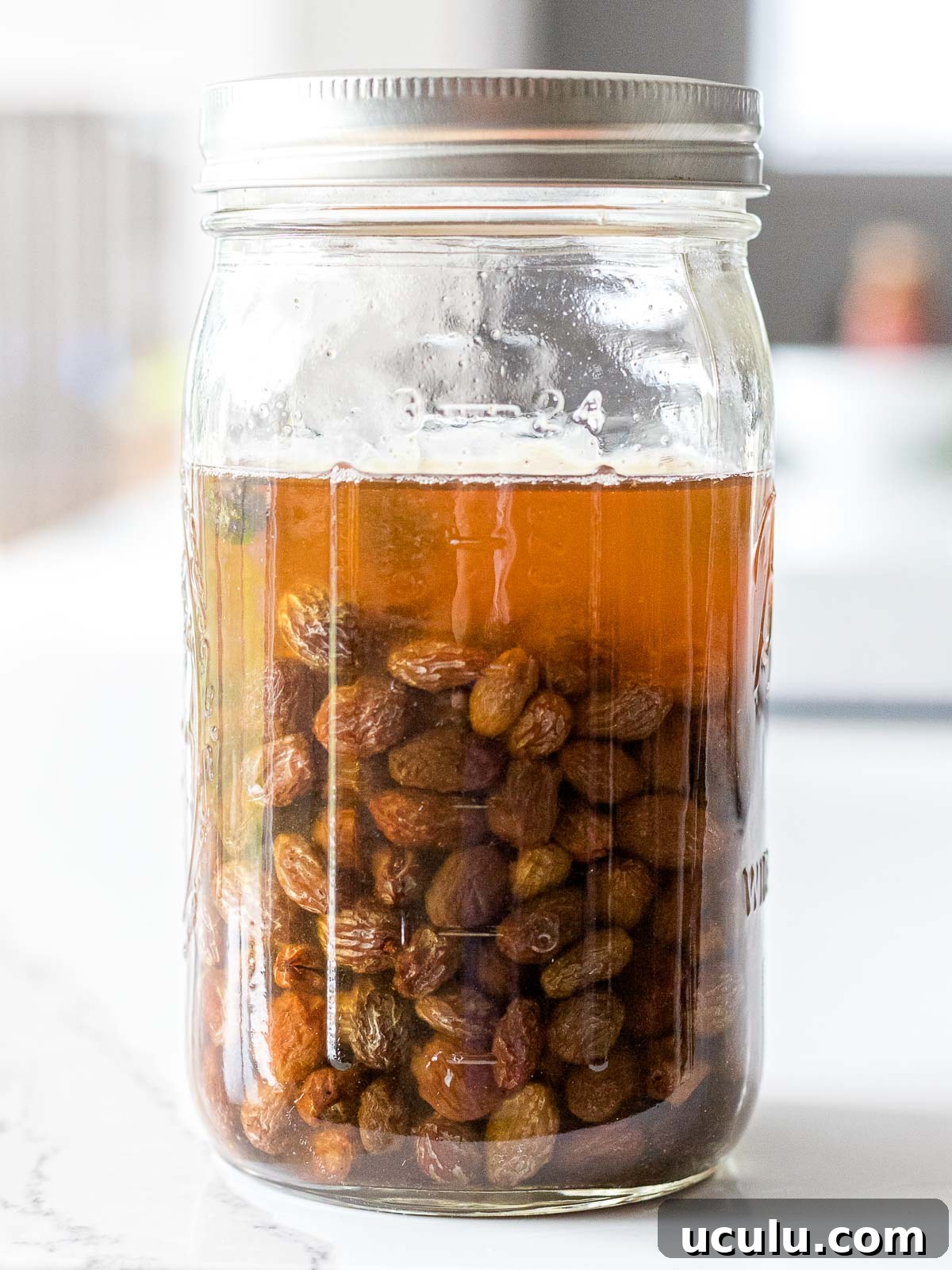
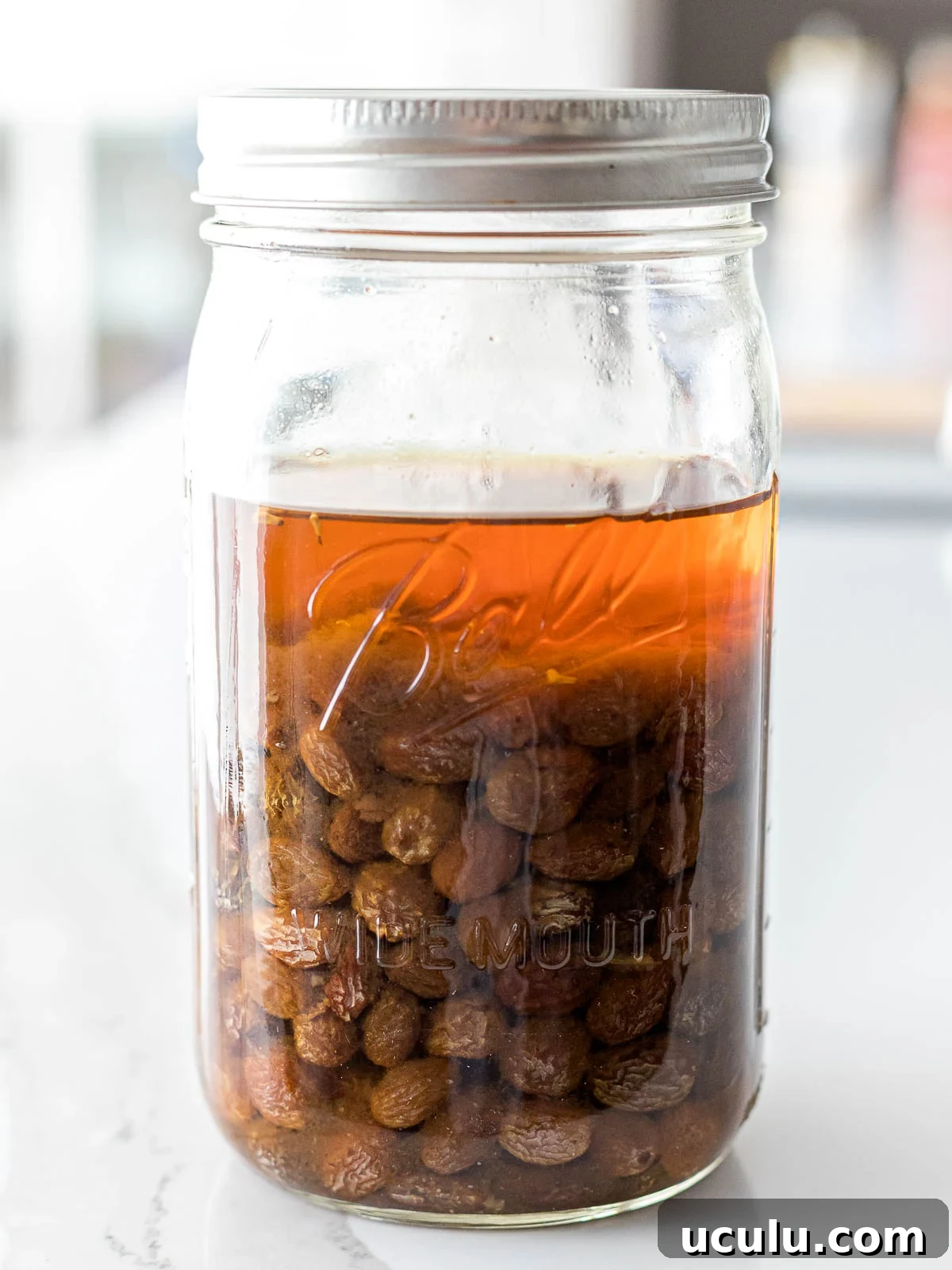
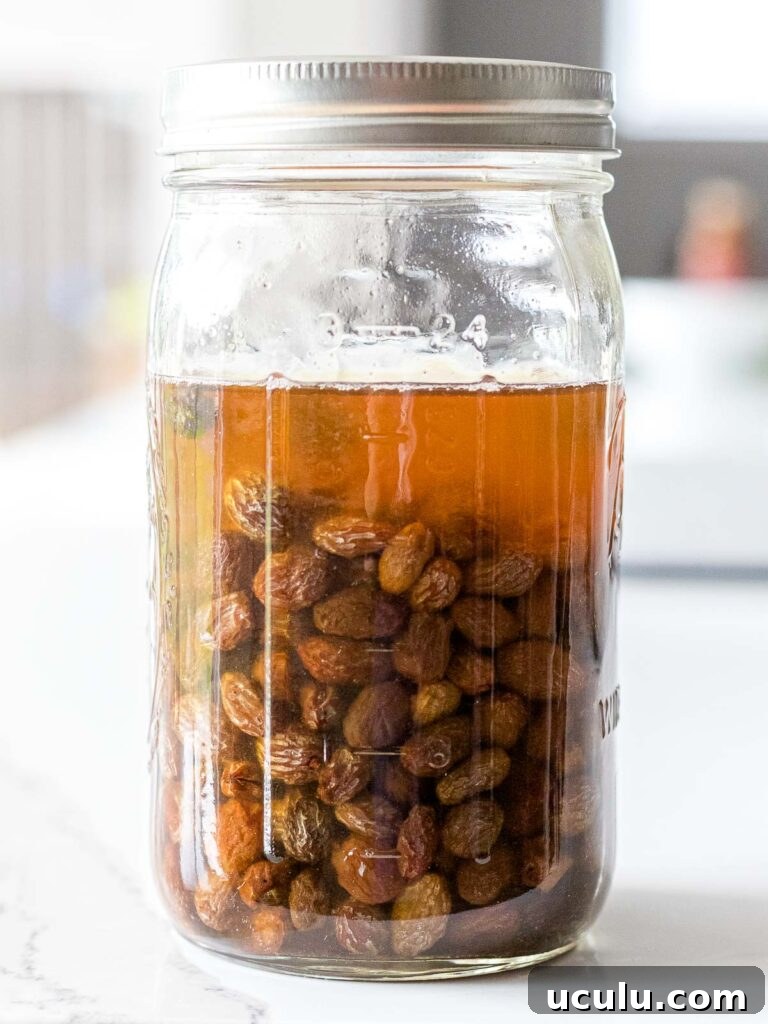
Day 3 (morning): Small bubbles may appear around the raisins and the liquid becomes cloudier as yeast develops. Raisins often begin to rise when enough gas forms beneath them.
-
Day 3: after shaking, raisins halfway floating -
Day 3: small bubbles, getting cloudy
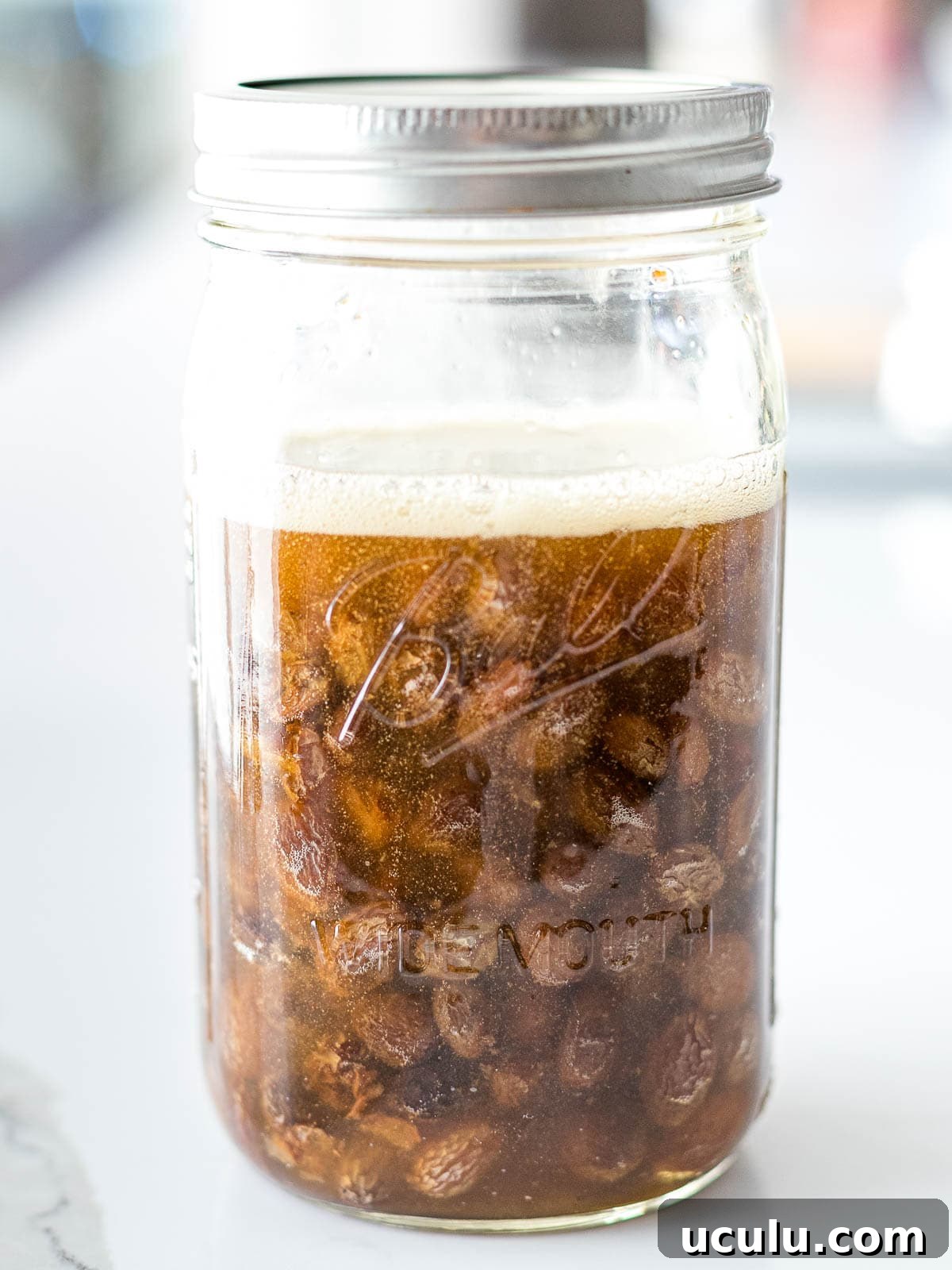
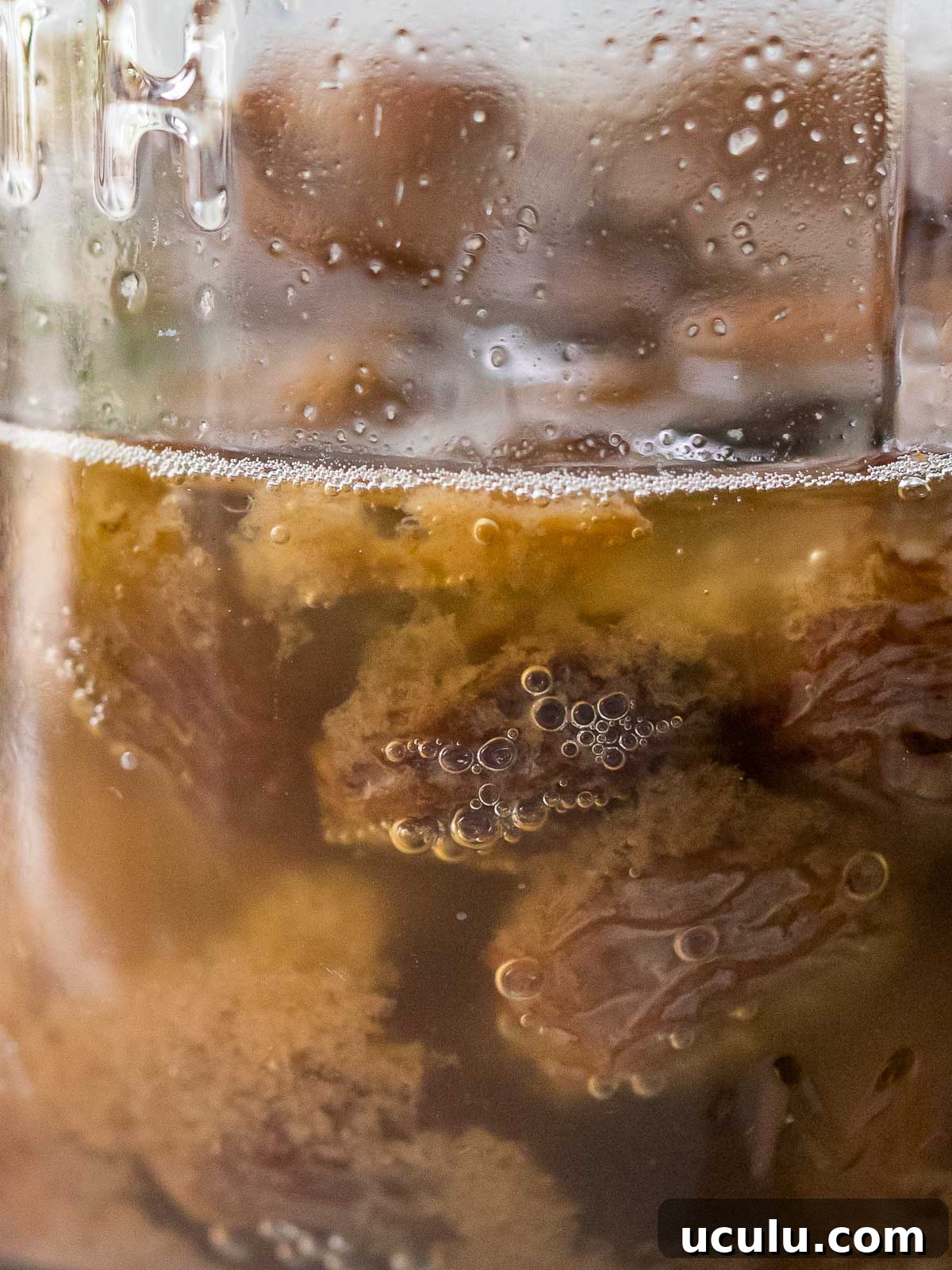
Day 3 (evening): Activity increases. The liquid smells faintly of cider or alcohol, and opening the lid may produce a soft hiss as gas escapes. Continue to open and reclose the lid before and after every shake to prevent pressure buildup.
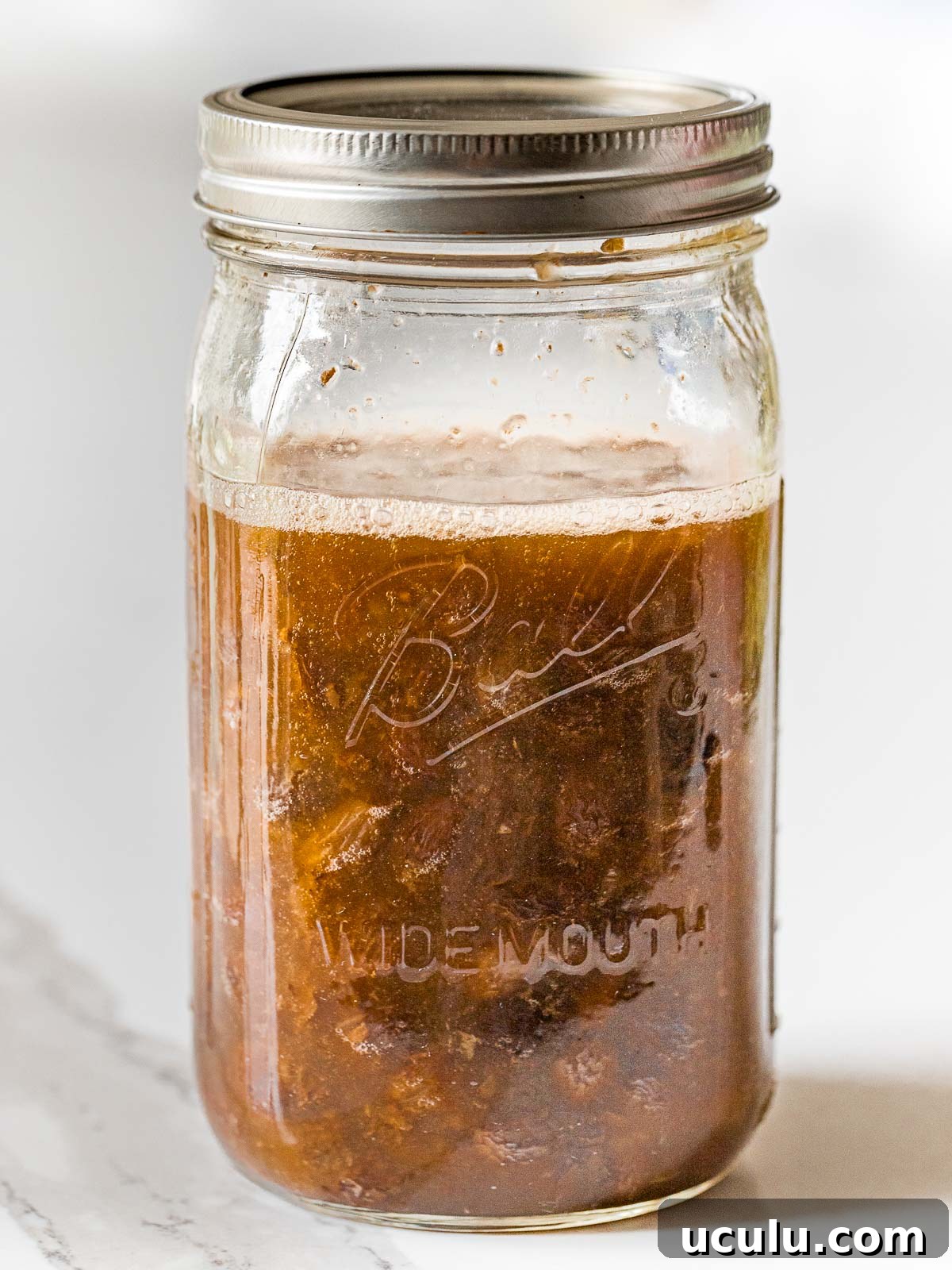
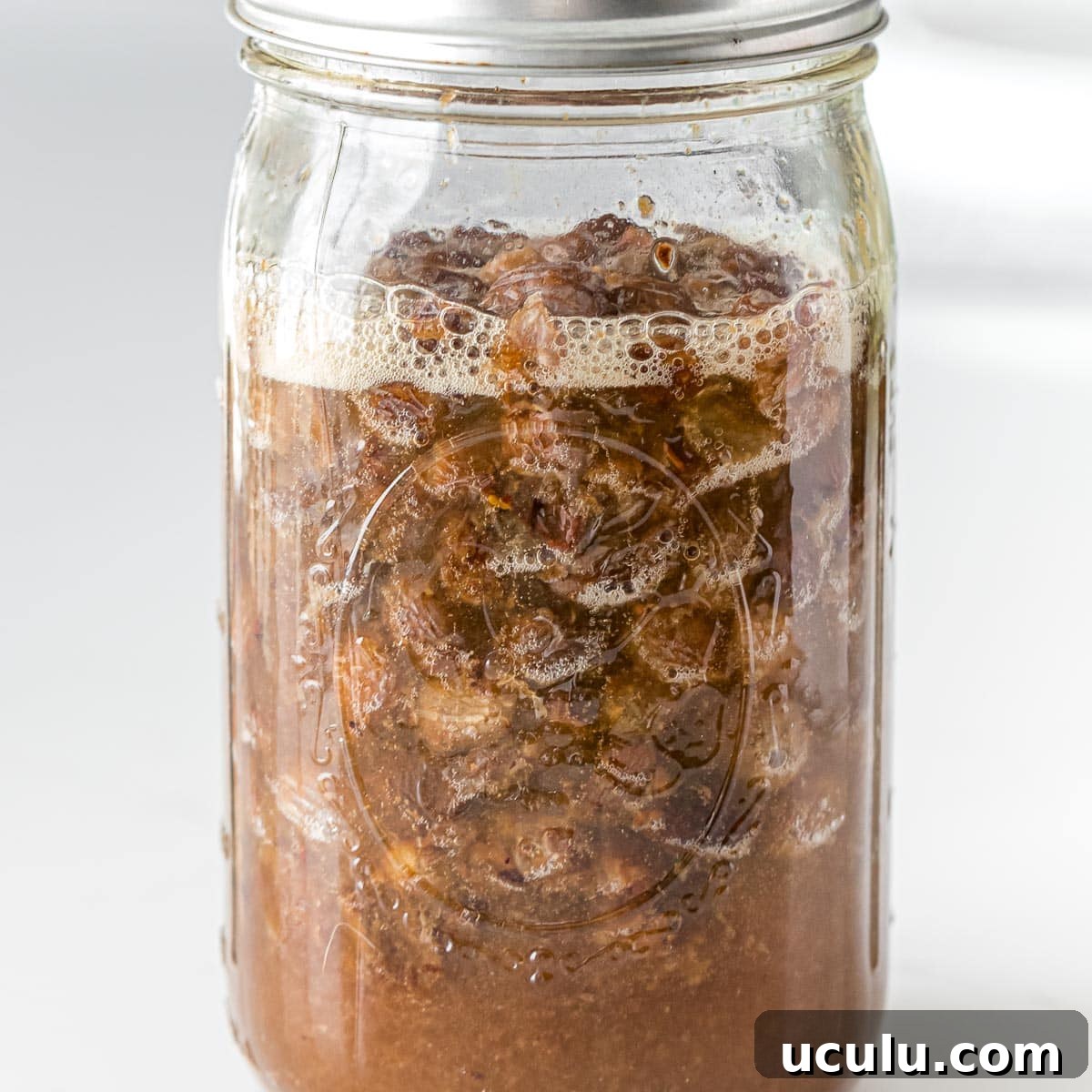
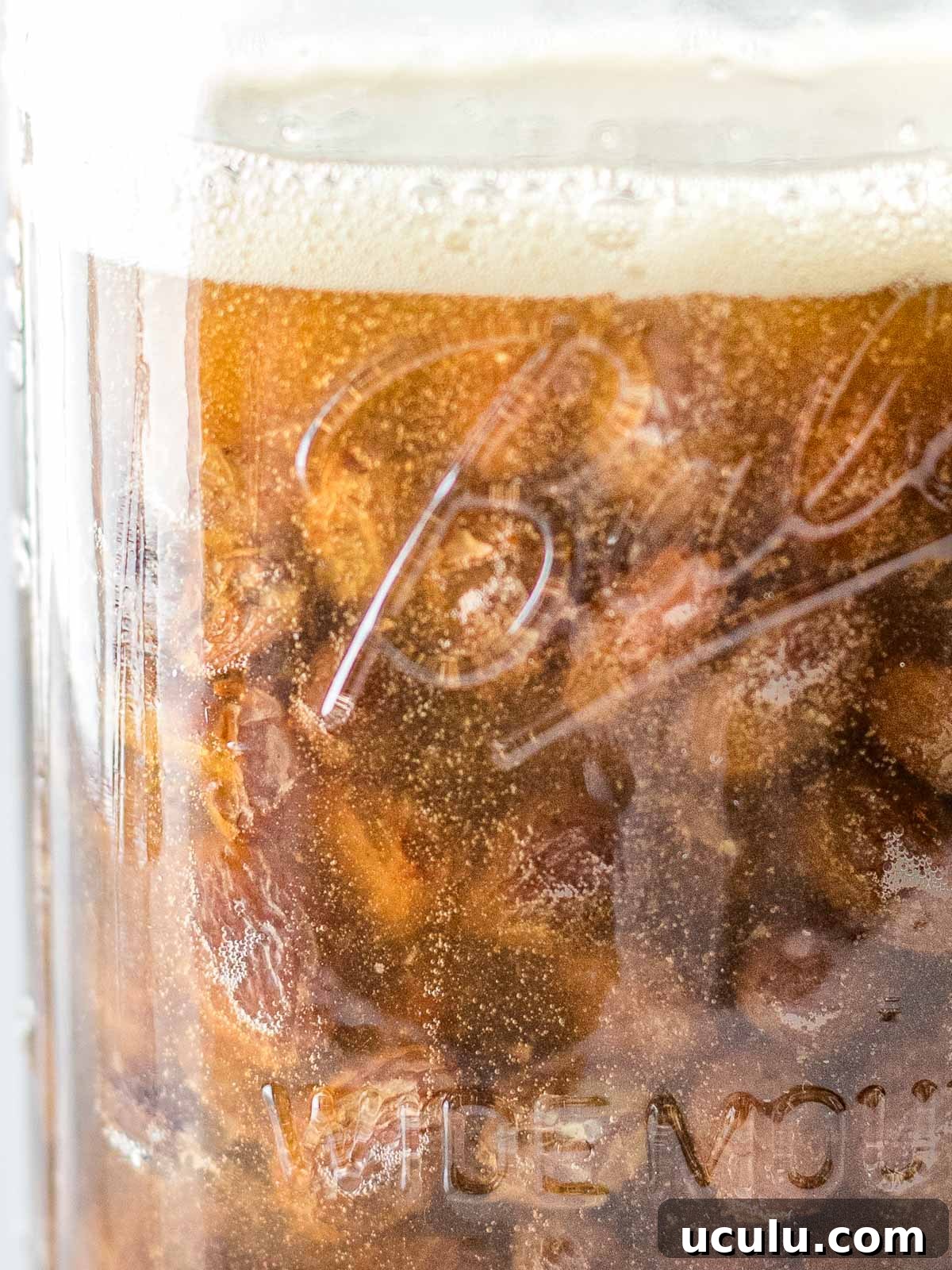
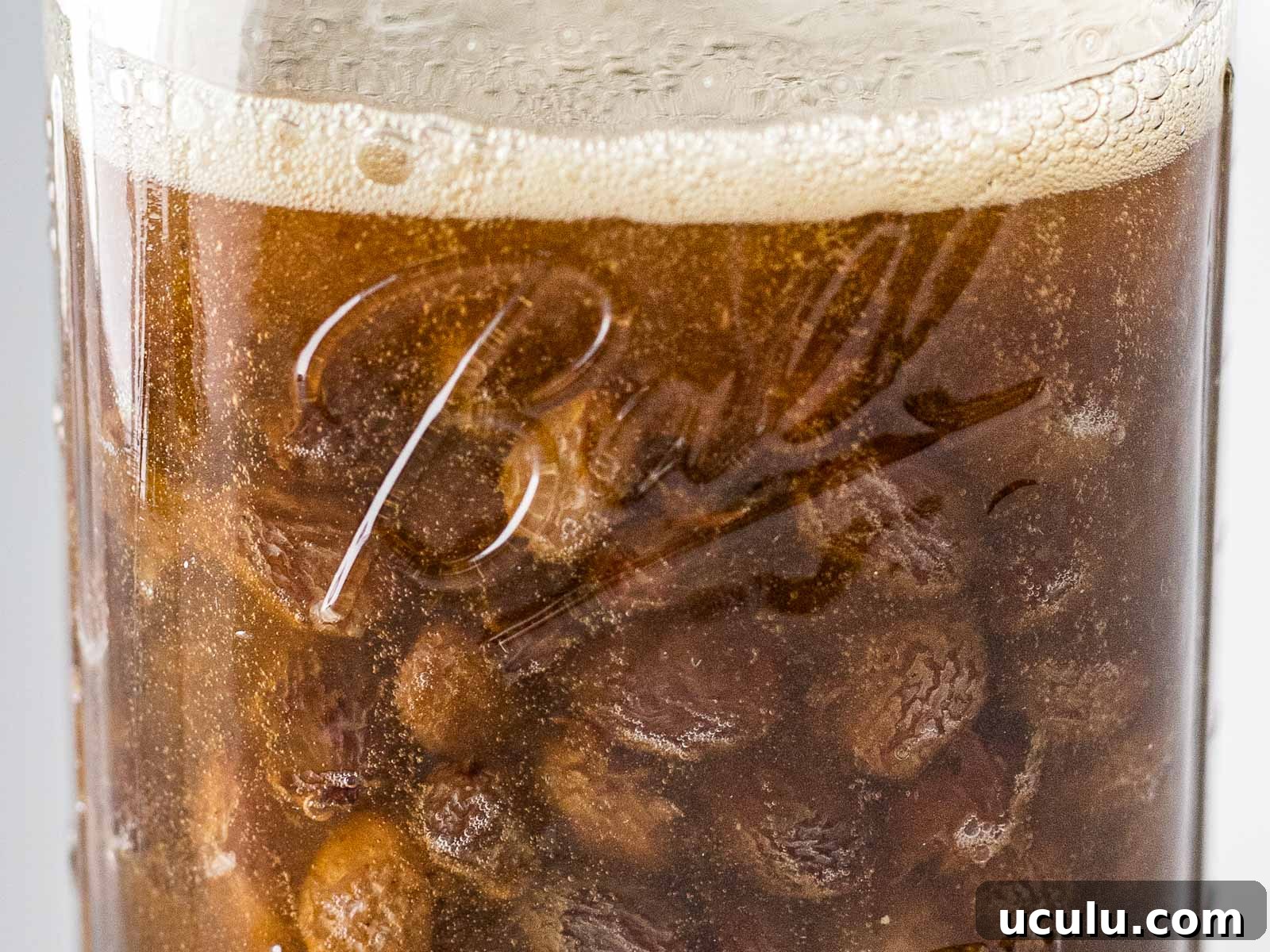
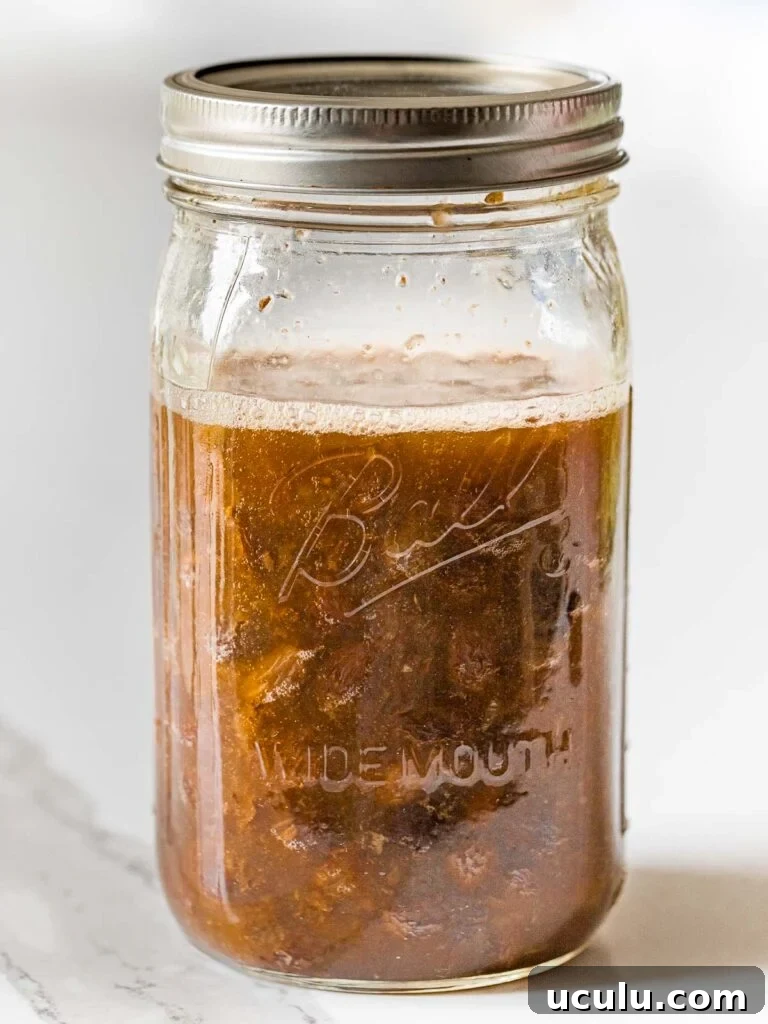
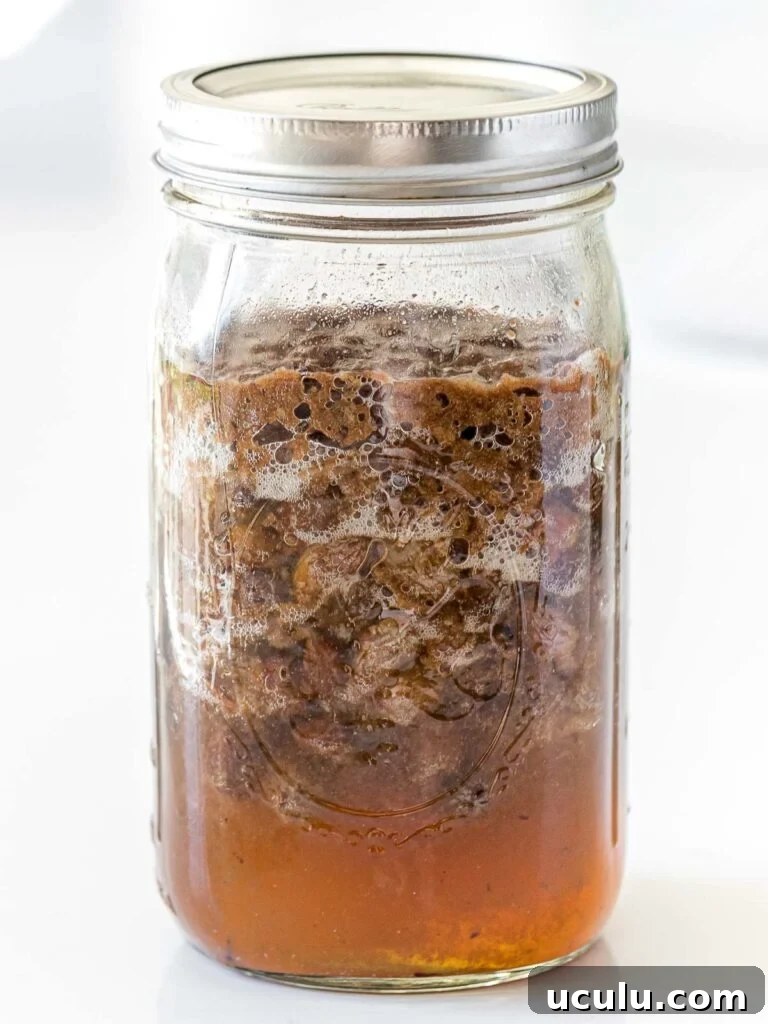
Day 4: When the raisins float consistently and the liquid is very fizzy, the yeast water is ready. You’ll likely hear a noticeable hiss and see a rush of bubbles when opening the jar—similar to opening a soda bottle.
-
Day 4 – before shaking, raisins are floating -
Day 4 – after shaking, raisins continue to float
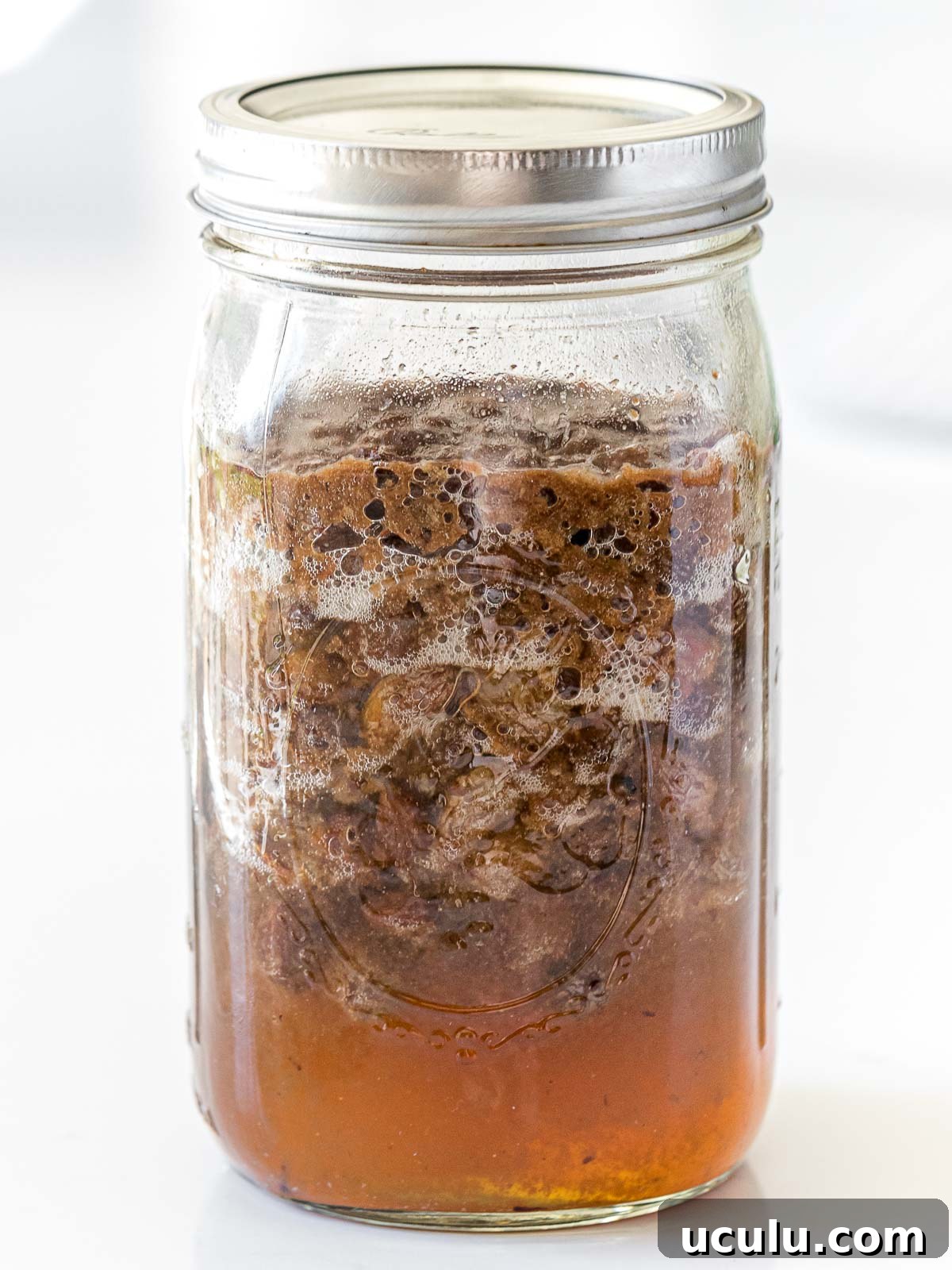
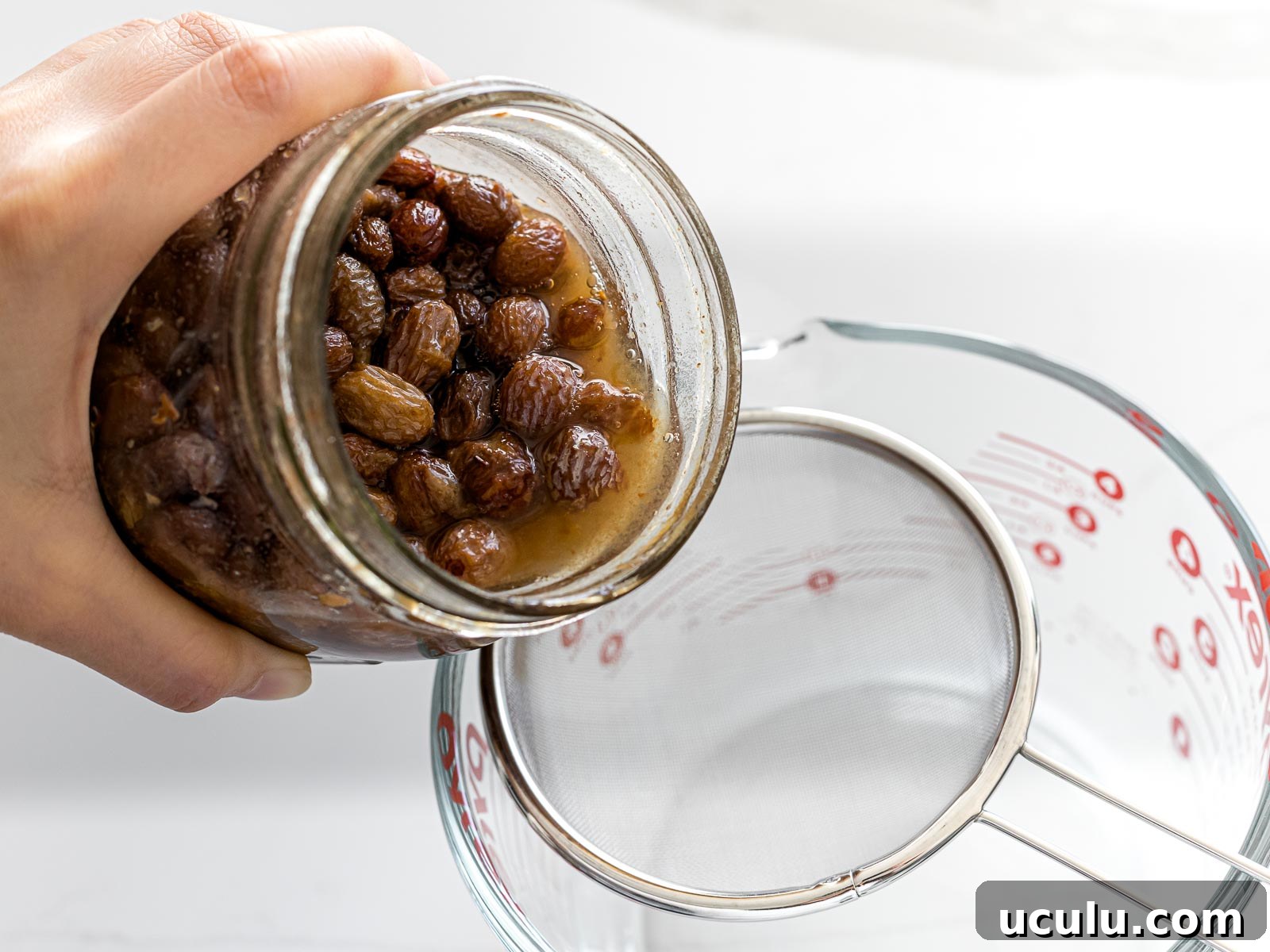
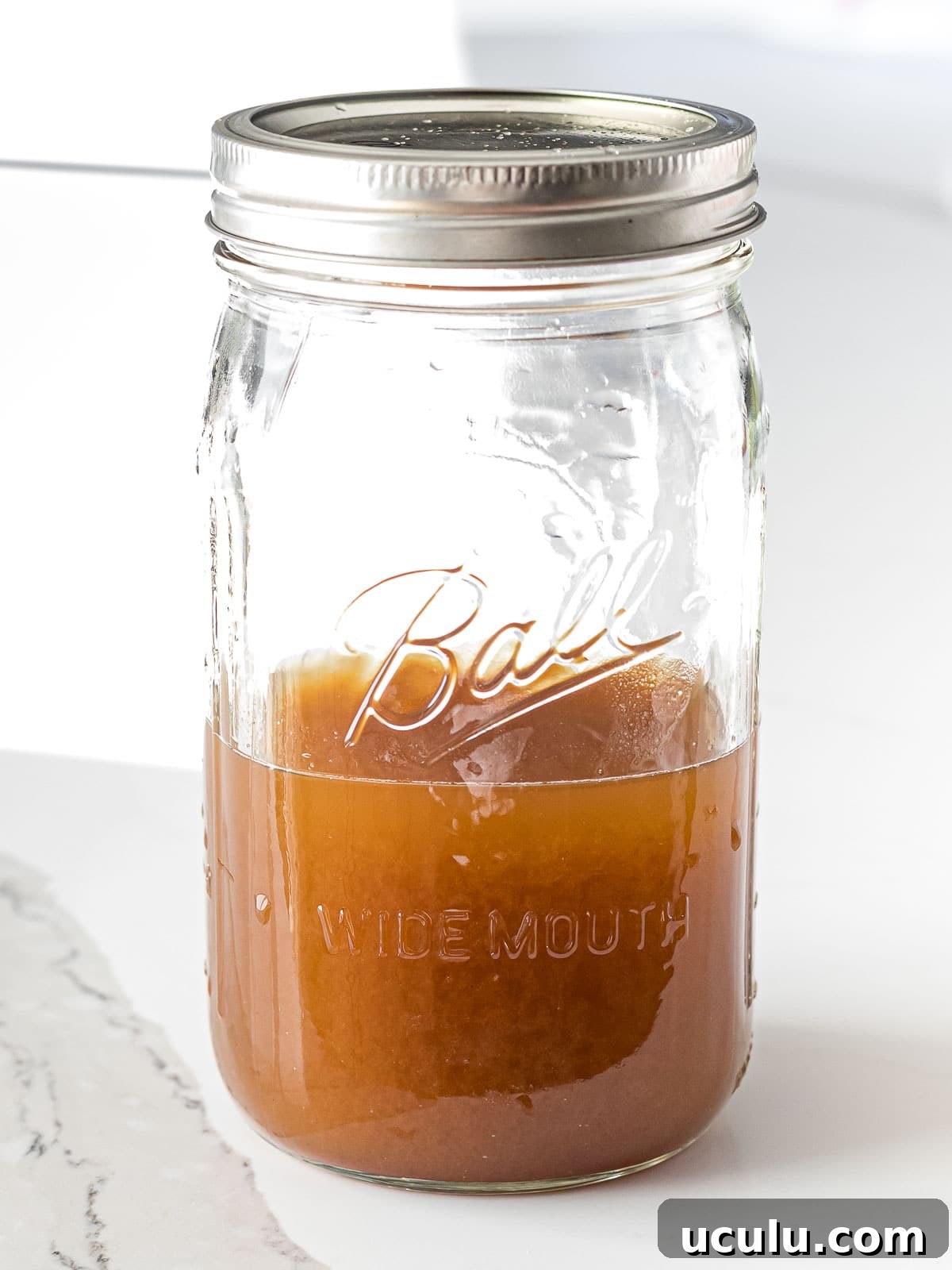
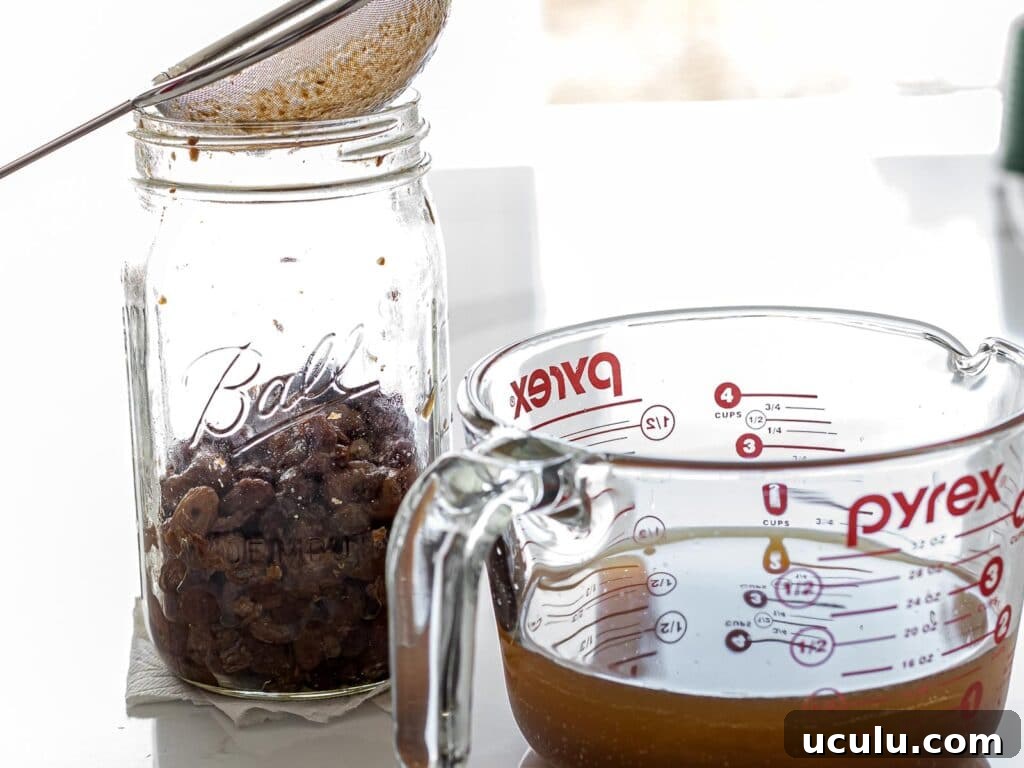
Strain the liquid through a mesh sieve, gently pressing the raisins to extract remaining liquid. You can compost or use the raisins in baking. The strained yeast water should show light effervescence and can be stored refrigerated in an airtight container for up to two months.
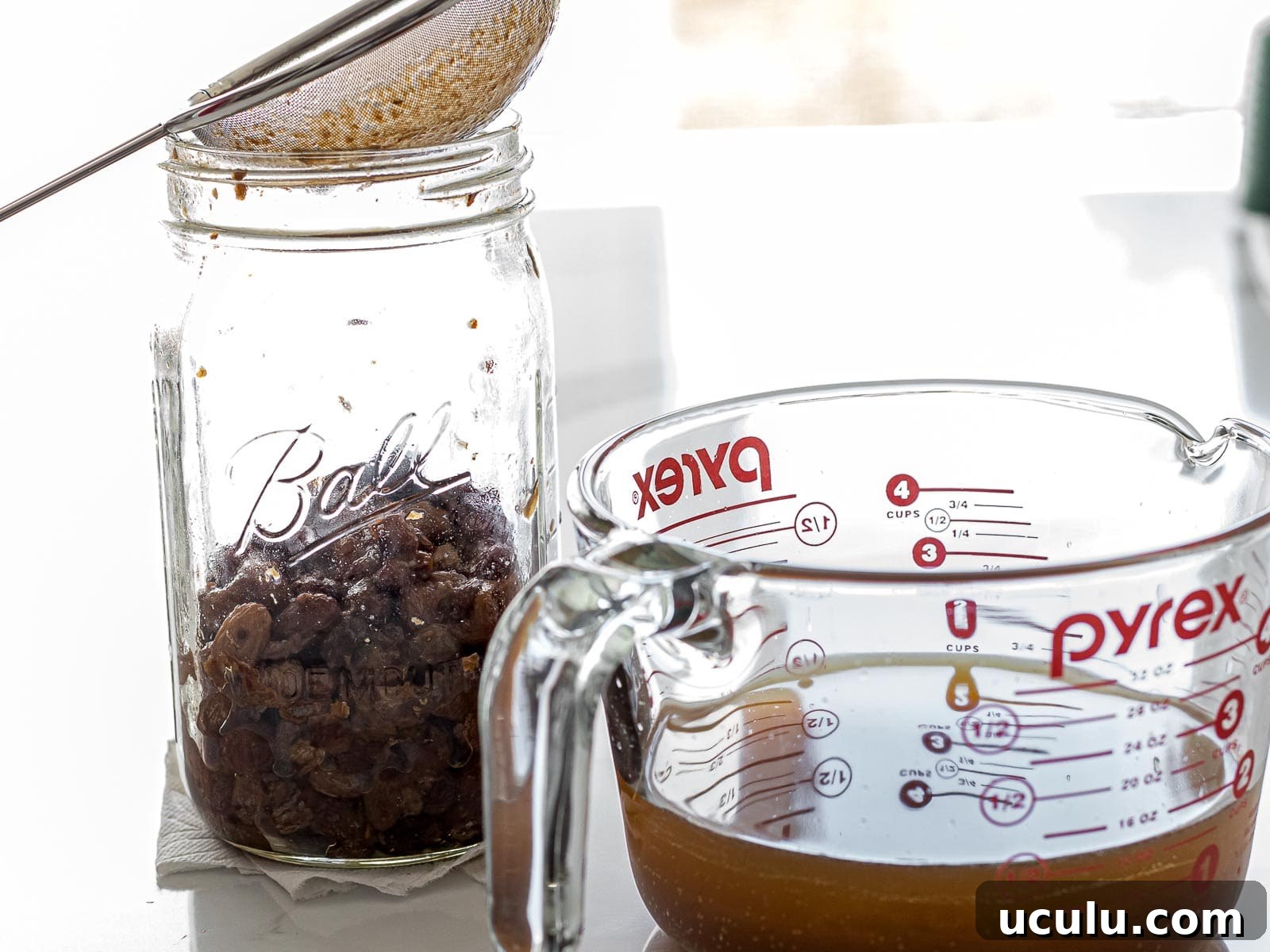
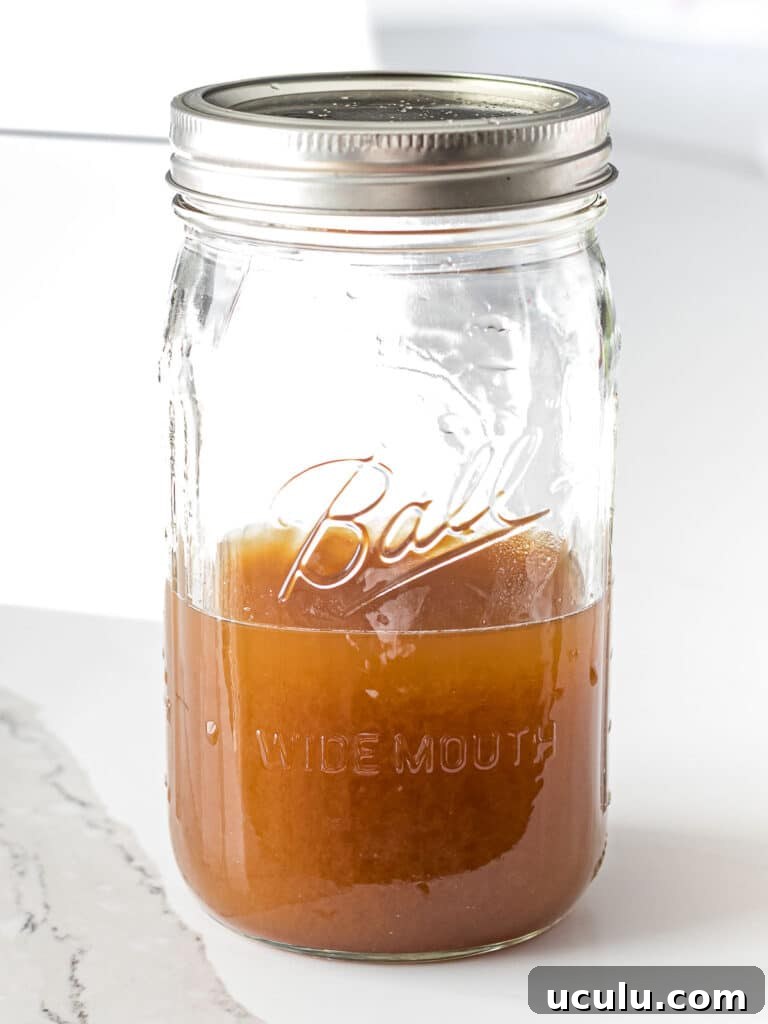
This batch yielded about 414 g of yeast water. Shake well before using to reincorporate any settled material.
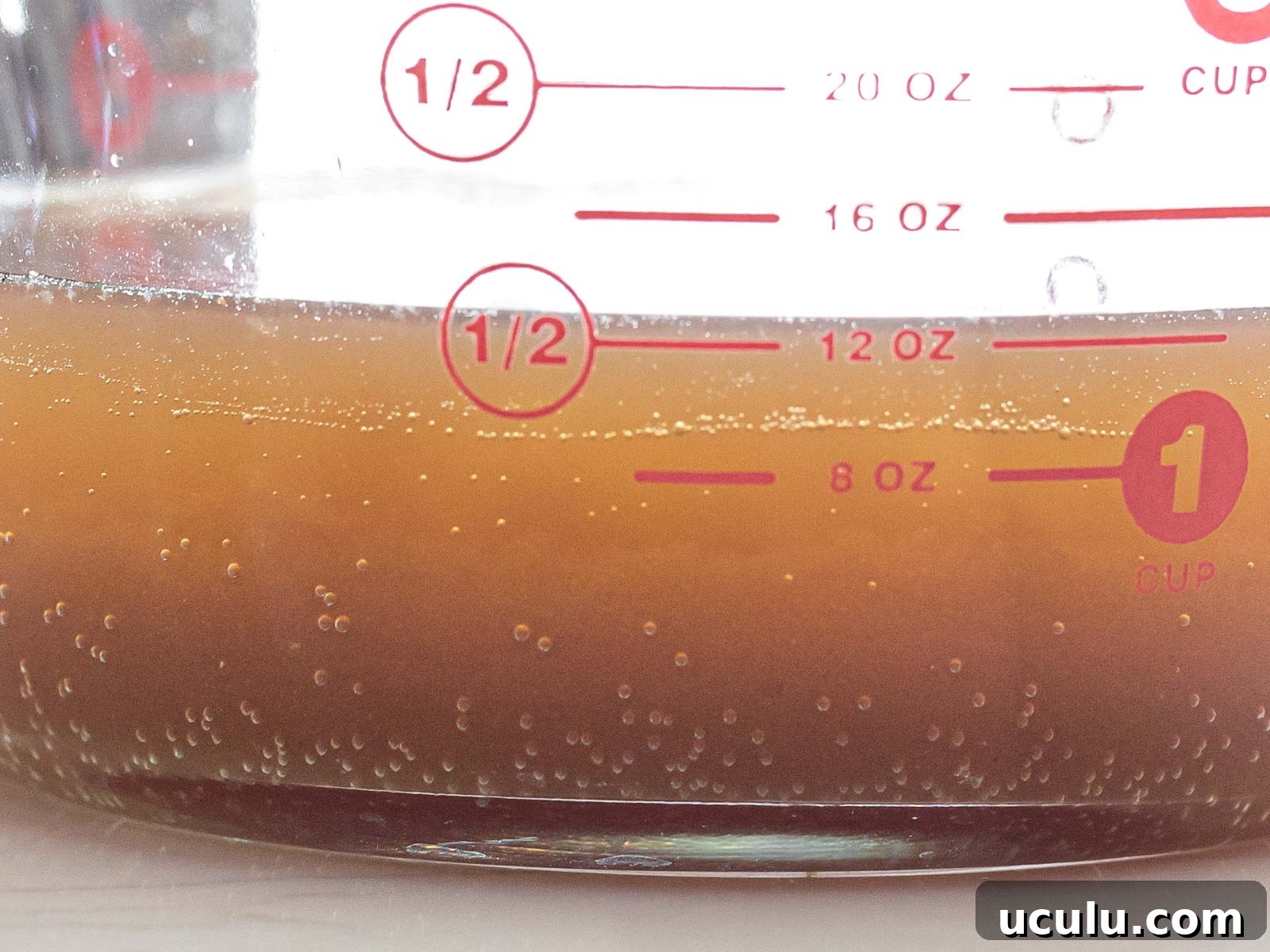
Use the yeast water immediately to build a wild yeast starter or keep it chilled until needed. Properly stored, it will remain active for several weeks to months depending on refrigeration and handling.
Frequently asked questions
After straining, keep yeast water in an airtight container in the refrigerator for up to two months. Save a small amount of an active batch to inoculate future batches and speed fermentation.
Dried fruits like raisins, dates, or figs are most consistent. Fresh fruit can work but results vary more. For dried fruit, choose organic and preservative-free varieties when possible.
Shaking helps prevent mold from forming on the surface and keeps yeast evenly distributed. Shake twice daily and briefly open the lid before and after shaking to release built-up gas.
Use it to create a natural wild yeast starter or to leaven bread recipes. It’s a useful tool for sourdough and other naturally fermented bakes.
Expert tips and tricks
- Choose organic, preservative-free raisins without oil coatings. Preservatives and oils can prevent yeast growth.
- If your raisins have a coating or preservatives, soak them in hot water for 15 minutes before use to remove some residues.
- Reserve 1/4 cup of a finished batch to speed up future yeast water preparations by seeding the new jar with active yeast.
- If using tap water, let it stand uncovered for 24 hours to dechlorinate before mixing with fruit.
More recipes to try:
- Sourdough Starter 2 Ways – Traditional and No-discard method
- Sourdough Focaccia with Rosemary and Parmesan
- Pumpkin Chocolate Chip Bread with Cream Cheese Swirls
- Bakery Swiss Roll Cake Recipe
- Chocolate Roll Cake – Swiss Roll
- Custard Bread Pudding with Vanilla Sauce
How to Make Yeast Water
Equipment
-
Kitchen Scale
Ingredients
- 250 g filtered water
- 100 g raisins
- 4 g white sugar
Instructions
-
Weigh all ingredients. Use organic raisins free of preservatives or oil coatings. If unsure, soak raisins in hot water for 15 minutes to remove residues.
-
Add ingredients to a clear jar with an airtight lid, shake until sugar dissolves, and place in a warm spot out of direct sunlight. Raisins should initially rest on the bottom.
-
Vigorously shake the jar for a few seconds twice daily for 3–8 days, until the raisins float and visible bubbles appear. Open and close the lid before and after each shake to release pressure; keep it sealed otherwise.
-
When fermentation is active you’ll see cloudiness and bubbles along the jar and around the fruit; raisins will be suspended in the liquid.
-
The yeast water is ready once the raisins float consistently. This indicates sufficient gas buildup and active yeast. Strain the liquid and press the fruit to extract remaining liquid.
-
Strain the raisins with a mesh sieve and gently press out liquid. Discard or reuse the raisins in recipes.
-
Store yeast water in an airtight container in the fridge for up to two months. Shake well before using to redistribute any settling. Use it to build a wild yeast starter or add to bread recipes.
Notes
- See guidance on converting yeast water into a starter before attempting to bake with it.
- This recipe yields about 414 g of yeast water.
- If using tap water, let it sit uncovered for 24 hours to dechlorinate.
- If raisins contain preservatives or oil coatings, soak in hot water for 15 minutes first. Ideally use organic, preservative-free fruit.
- Fermentation speed depends on yeast present and ambient temperature; placing the jar in a warmer area (out of direct sun) will shorten the time.
- Always open the lid before and after each shake to avoid pressure buildup, and keep it closed at other times.
- Save 1/4 cup of a finished batch to seed new batches and speed fermentation.
Nutrition
Nutrition information is automatically calculated and should be used as an approximation.
Like this? Leave a comment below!