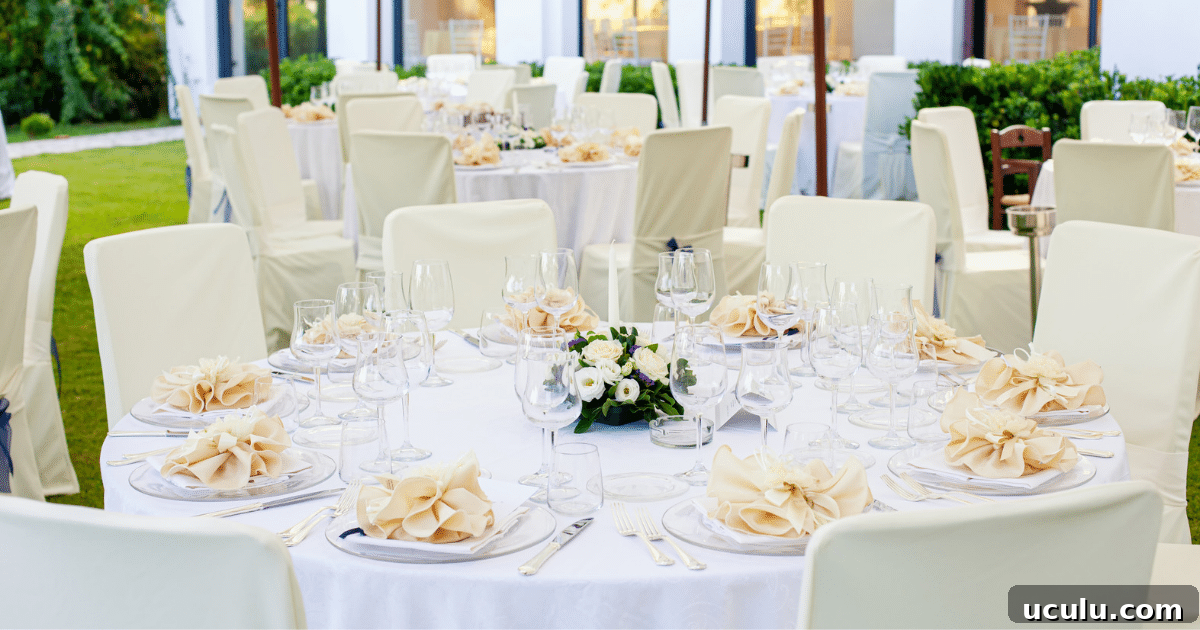
Choosing the right venue can make or break an event. It’s not enough to pick a space at random; securing the best rental deal and getting the most from the space requires planning, attention to detail, and clear communication. Below are practical steps and tips to help you optimize your venue, negotiate a fair rental agreement, and deliver a memorable experience for your guests.
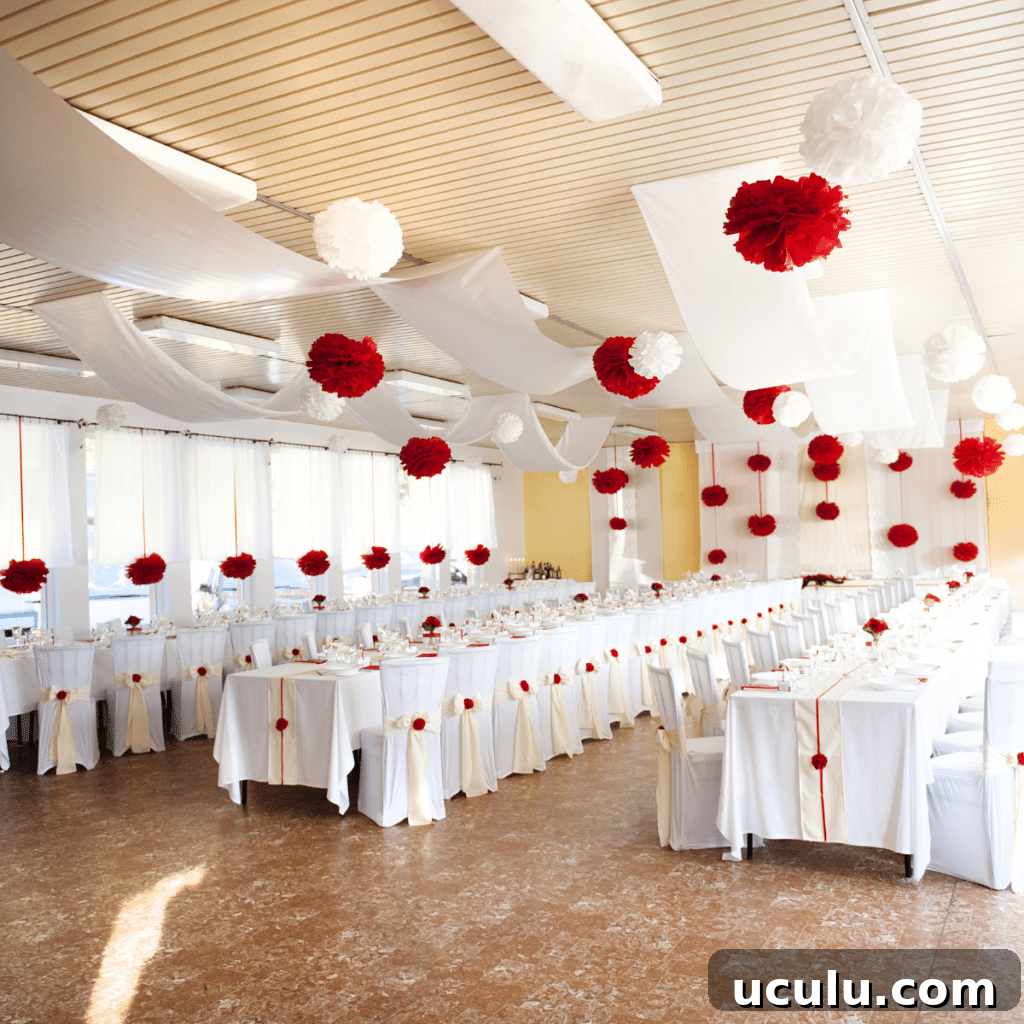
Understanding Your Event Needs
Begin by defining the essentials of your event: the occasion type, expected headcount, technical and AV requirements, catering needs, and the mood you want to create. Having these requirements clearly documented before you start searching will make it easier to compare venues and avoid costly compromises. Match the venue to the event — don’t force the event to fit a space that isn’t appropriate.
Factors to consider when choosing a venue
- Location: Choose a venue that’s convenient for your guests. Consider proximity to airports, public transit, parking, nearby hotels for out-of-town attendees, and local traffic at the time of day your event will take place.
- Capacity: Confirm the venue comfortably accommodates your guest list with room for circulation, seating, and any activity areas you plan. Avoid overcrowding to maintain comfort and safety.
- Facilities: Check restrooms, catering kitchens or prep areas, loading zones, storage, and available technical equipment. Confirm the venue’s staff support levels for setup and event operations.
- Layout and flexibility: Look for a space that adapts to different seating plans, breakout areas, and staging options. Flexible layouts make it easier to create the experience you envision.
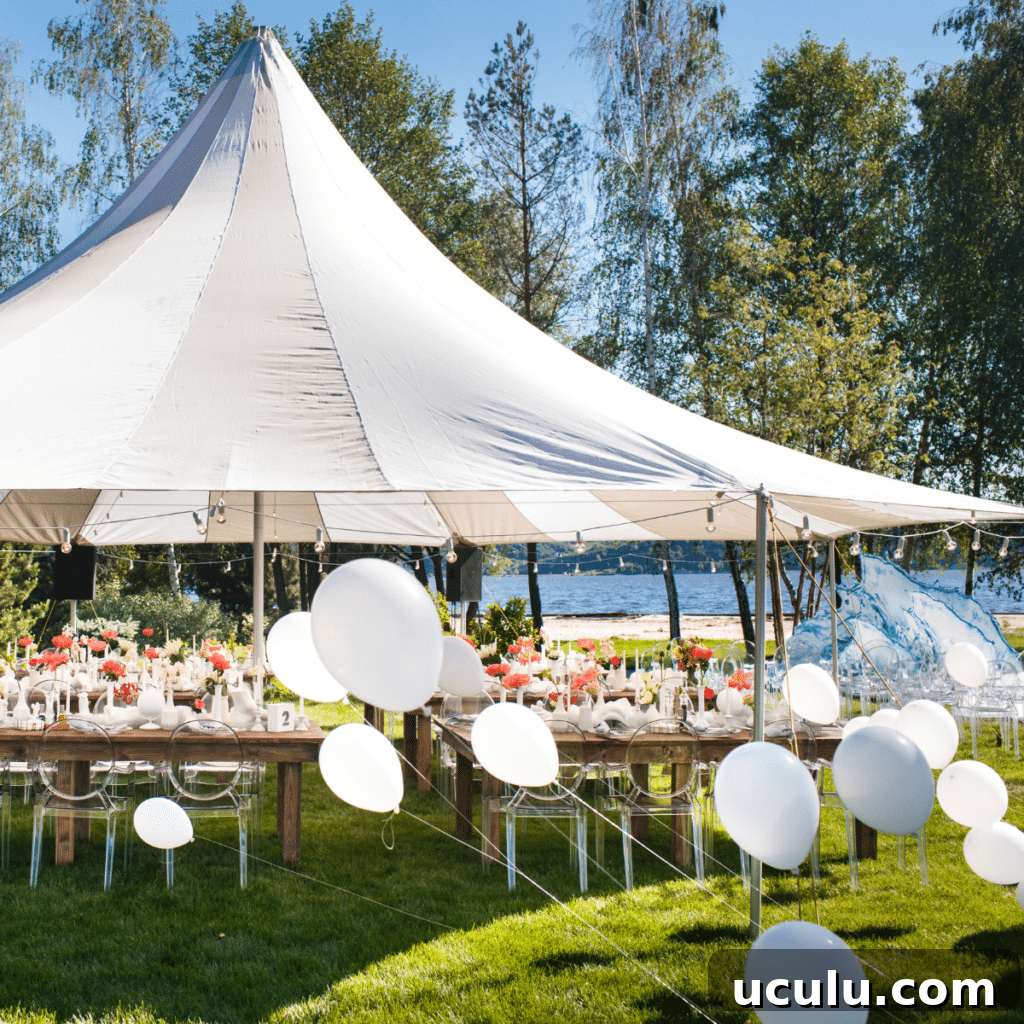
The Process of Securing a Venue
Once you identify a venue that matches your needs, schedule an on-site visit. A walkthrough gives you a clearer sense of scale, acoustics, lighting, traffic flow, and any potential logistical challenges. During the visit, evaluate staff responsiveness, access points for deliveries and vendors, and any on-site rules that could affect your plans.
After the site visit, contact the venue representative to confirm availability, pricing, and what is included in the rental. Ask specific questions about cancellation policies, restrictions, deposits, and insurance requirements. Carefully review the rental agreement to ensure terms around liability, damages, payment schedules, and penalties are explicit and acceptable. If anything is unclear, seek professional advice to protect your interests before signing.
Once terms are agreed, confirm the booking by signing the contract and paying the required deposit. Start this process early—prime venues book quickly and negotiations can take time.
Checklist of questions to ask before signing a rental agreement
- What exactly does the rental fee include and are there any additional or hidden charges?
- What is the venue’s cancellation and refund policy?
- What payment methods and schedule are accepted? Is the deposit refundable under any conditions?
- Are there restrictions such as noise curfews, decoration rules, or limits on alcohol service?
- Who is responsible for damages caused during the event?
- Are outside vendors allowed or must you use venue-referred providers?
- What happens if the venue is unavailable due to unforeseen events like natural disasters?
- How much time is allotted for setup and teardown in the rental period?
- Are there insurance requirements or minimum liability coverage needed?
- Can you get a clear floor plan and confirm if the layout can be adjusted for your event?
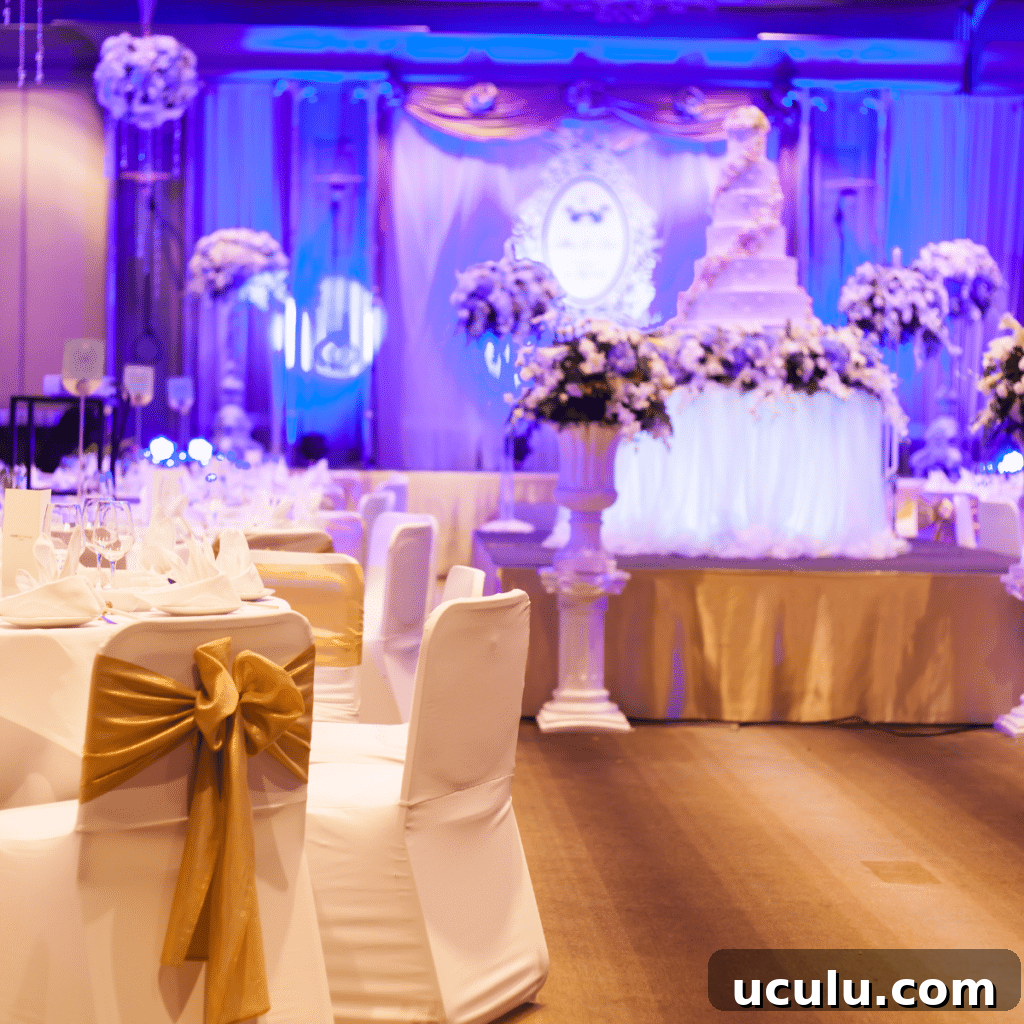
Optimize Your Venue Space to Enhance Guest Experience
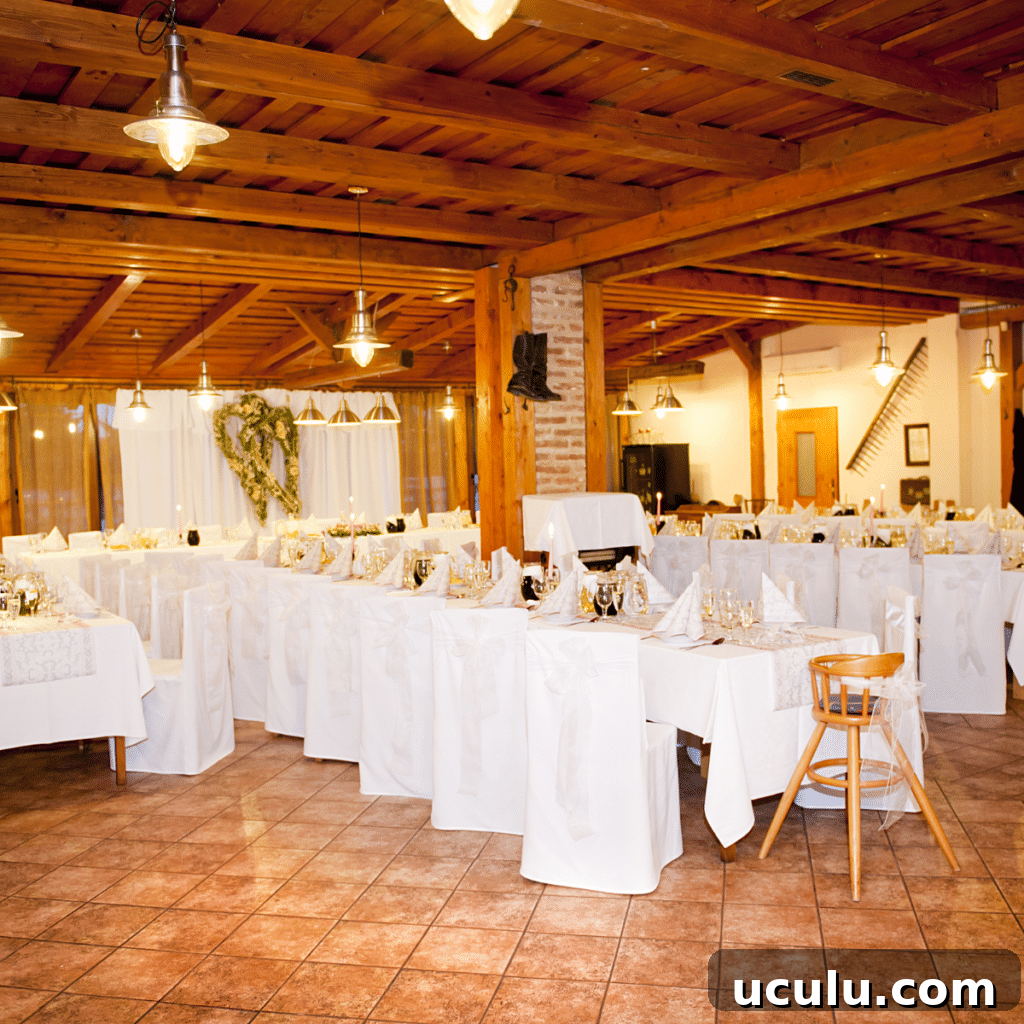
Make the most of the venue by designing with flow and engagement in mind. Create distinct zones—reception, networking, presentations, dining—that guide guests naturally through the space. Place interactive or high-interest elements in high-traffic areas to draw attention and encourage interaction.
Use vertical space to your advantage. Lighting, hanging signs, and suspended decor can transform the ambiance without consuming valuable floor space. Thoughtful lighting design—uplighting, spotlights, or color washes—changes mood and highlights key areas.
Balance aesthetics with function to avoid congestion. Arrange furniture to maintain clear pathways, position food and beverage stations to prevent bottlenecks, and allocate service areas away from main guest circulation. A practical layout enhances comfort and keeps the event running smoothly.
Building Relationships with Venue Providers
Developing a strong working relationship with venue staff can save time and reduce stress. Experienced venue providers offer practical suggestions for layout, timing, and vendor coordination. They can flag potential issues early and recommend local suppliers who know the space.
Good relationships can also lead to added flexibility—preferred rates, priority booking, or customized service options tailored to your needs. When a venue team understands your style and expectations, planning becomes more efficient and outcomes more predictable.
Invest in clear communication, respect venue policies, and provide feedback after events. Over time, this partnership can evolve into a reliable resource that simplifies future event planning and improves results.
Conclusion
Maximizing event space and negotiating a strong rental agreement require preparation, careful evaluation, and open communication. Focus on matching the venue to your event needs, clarifying contract terms, and optimizing layout and logistics to enhance guest experience. With thoughtful planning and solid relationships with venue providers, you can deliver events that feel seamless, engaging, and memorable.
Table of Contents
Toggle