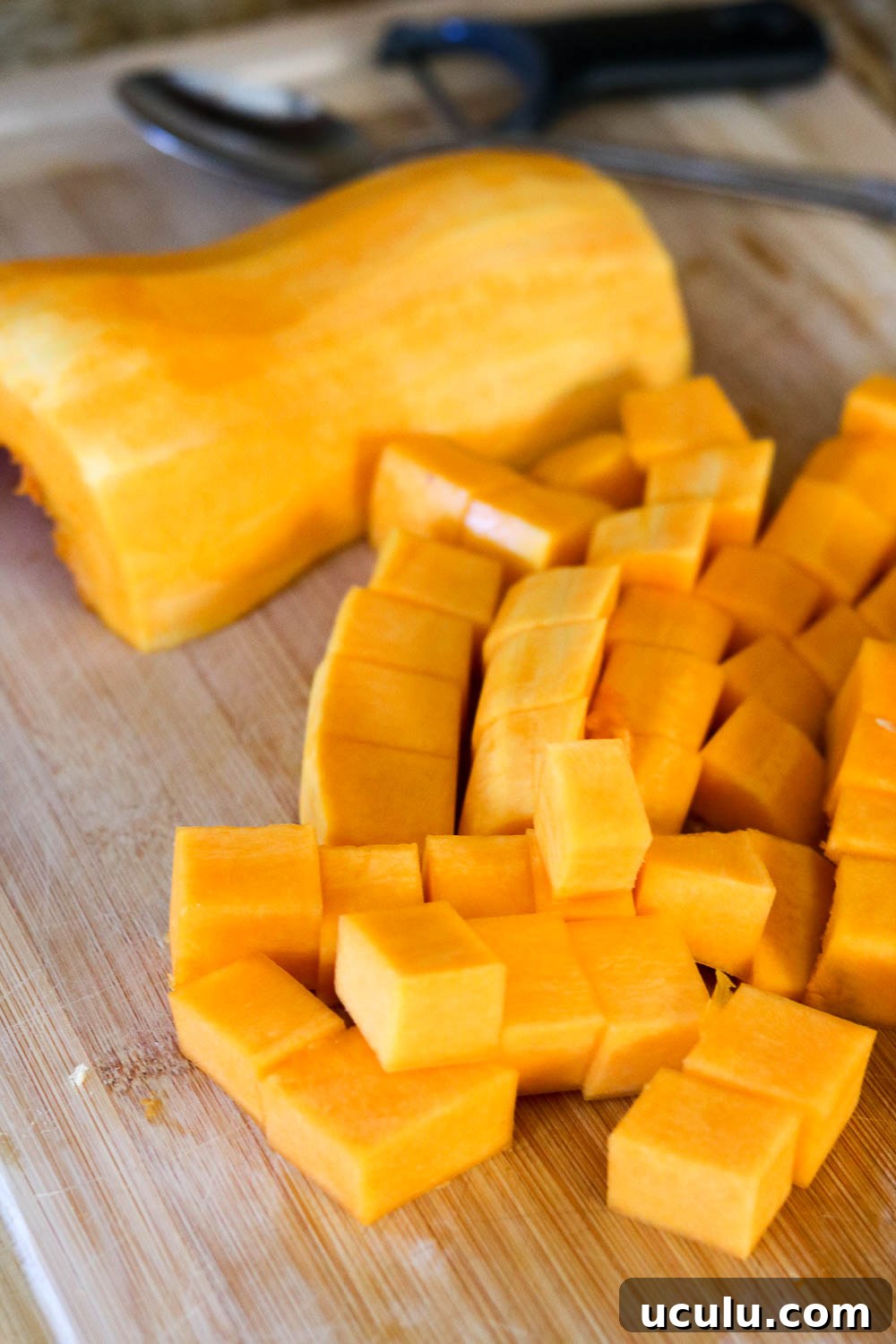
This is the simplest, most reliable method I use to peel, cut, and roast butternut squash. I cook this sweet, versatile squash often—especially in cooler months—because it’s great for meal prep and fits many diets.
Below is a clear step-by-step guide for preparing and roasting butternut squash.
If you prefer convenience, you can buy pre-peeled, ready-to-cook squash for salads and recipes. If you’d like to prepare your own, follow these straightforward steps:
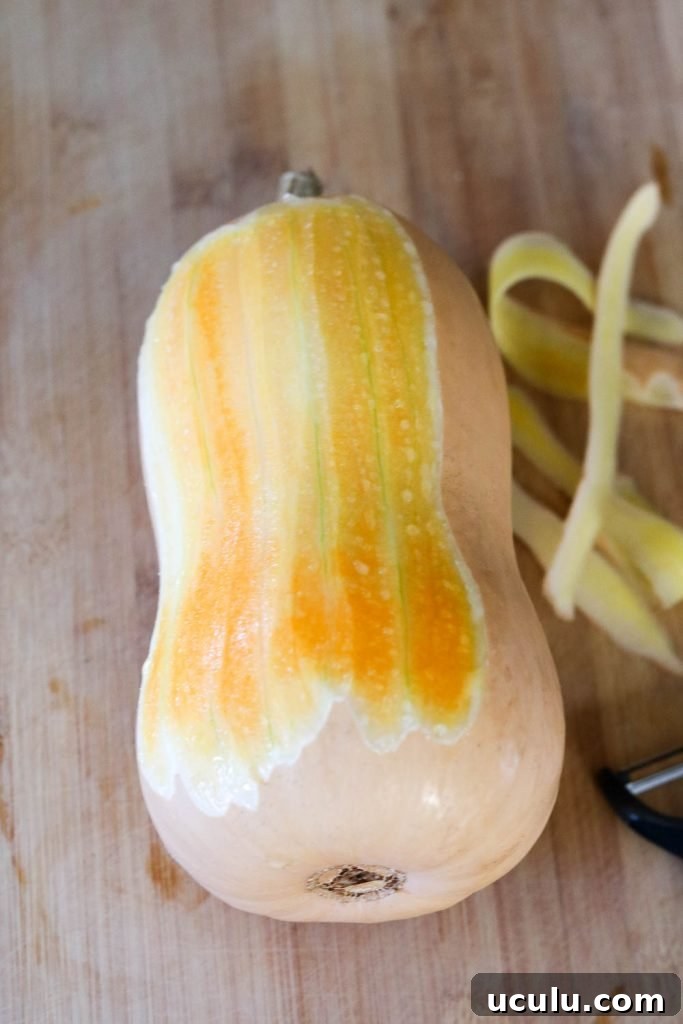
- Use a vegetable peeler to remove all the skin from the squash.
- Trim off the top and bottom ends.
- Cut the squash in half lengthwise and use a spoon to scoop out the seeds and fibrous strands.
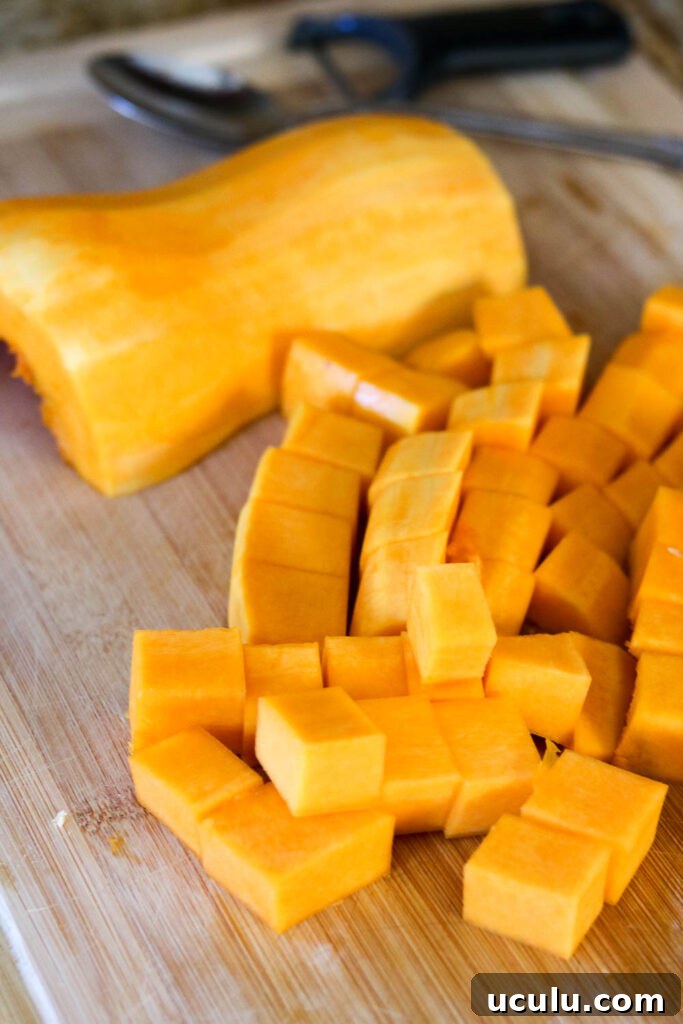
- Cut the flesh into roughly 1-inch cubes for even roasting.
- Roast all of it for meal prep, or roast only what you need now and save the rest for another meal.
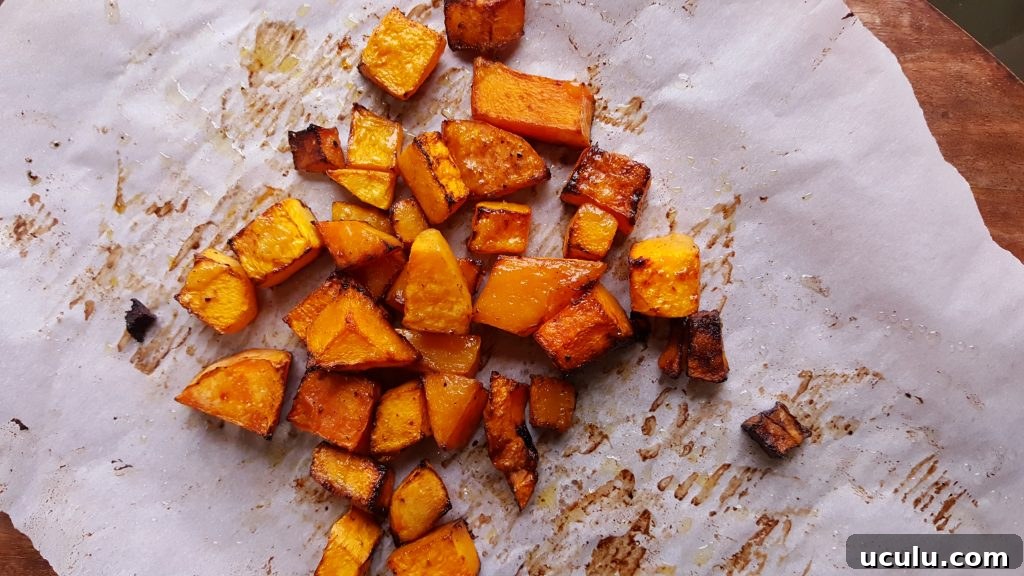
How to Roast Butternut Squash
Roasting brings out the squash’s natural sweetness and gives a lovely caramelized exterior. Preheat your oven to 400°F (about 200°C).
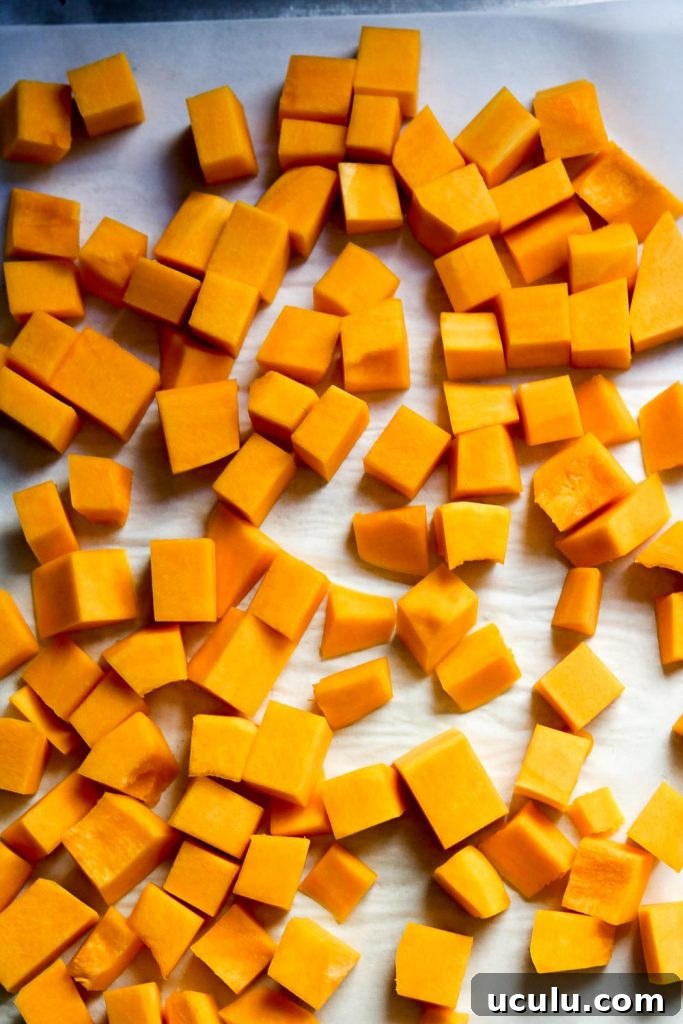
Line a rimmed baking sheet with parchment paper. Spread the cubed squash on the sheet in a single layer, drizzle or spray with olive oil, and season with salt and pepper. Toss the cubes to ensure even coating.
Roast for about 20 minutes. For more even browning, you can remove the tray halfway through and gently toss the cubes, though this is optional. The squash is done when fork-tender and lightly caramelized at the edges. Remove from the oven and let cool slightly before using or storing.
How to Use Roasted Butternut Squash
Roasted butternut squash is very versatile. It’s excellent in salads—especially hearty kale salads—where its sweetness balances bitter greens and tangy dressings. It also works well tossed into grain bowls, mixed into pasta, or used as a topping for pizzas and flatbreads.
When mashed, roasted or steamed squash becomes a creamy side similar to mashed potatoes. To make mashed squash: steam or boil the cubes until tender, drain, then mash with a bit of butter and milk or cream, seasoning with salt and pepper. This makes a comforting side for roast chicken or pork.
Smaller varieties, like honeynut squash, are sweet and often don’t require peeling. They can be roasted the same way and are perfect when you want a quick, single-serving squash with minimal prep.
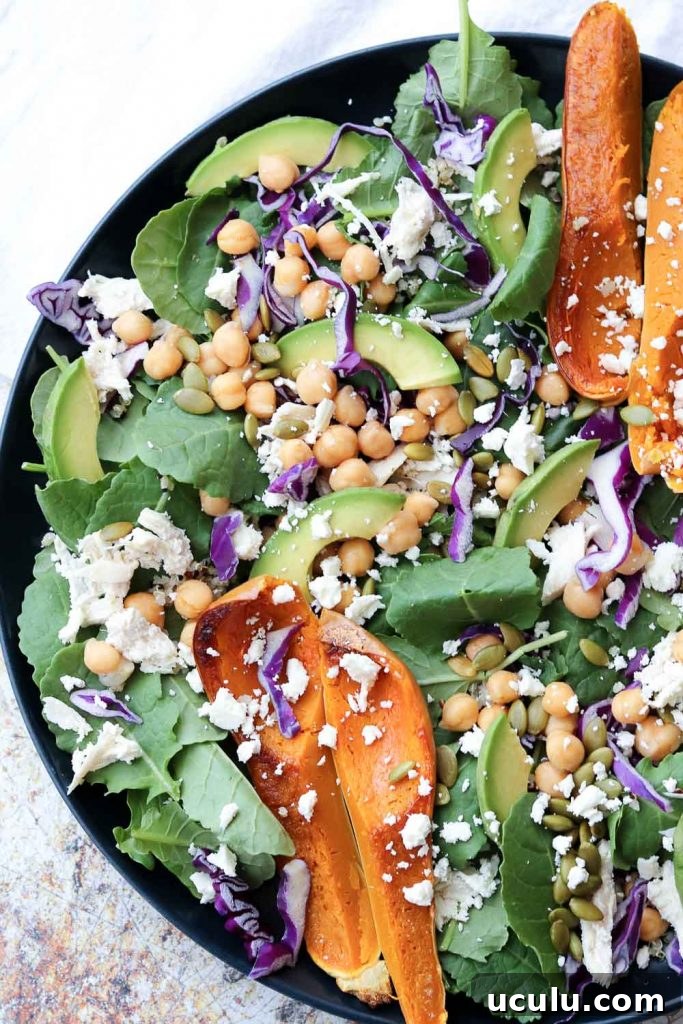
Store leftover roasted squash in an airtight container in the refrigerator for up to 4 days, or freeze in portions for longer storage. Use leftovers in soups, omelets, tacos, or curries to add sweetness and texture.
Enjoy your roasted butternut squash! If you tried this method, please leave a comment and rating to help other readers.
All content and photographs © Claudia’s Table and claudiastable.com
Check out our New & Delicious posts below
- Chicken cutlets with Creamy Tomato Orzo (30 minutes!)
- Steak Seasoning Rub
- Pumpkin Lasagna with Sausage and Kale
- How to make Tostada Shells
- Breakfast Tostadas with Chorizo