
When my husband and I were newer parents, he read an article that used the phrase “bone tired” to describe how many parents feel by the end of the day.
For years we joked about it: “We’re BONE TIRED. Parents are all BONE TIRED.” Say it with the emphasis and you can probably hear us now.
Dr. Evan Hirsch, an international expert on chronic fatigue and long-haul conditions, would urge us to move beyond that negative mindset. I was excited to interview him — and it did not disappoint.
In this episode Dr. Hirsch explains:
- The many causes of fatigue (he identifies 33 possible contributors)
- How to tell if you have chronic fatigue rather than normal tiredness from a busy life — and how surprisingly straightforward it can be to know the difference
- Why addressing chronic fatigue may also extend your lifespan
- What makes some people become long haulers after an infection while others recover
- Dr. Hirsch’s process for reversing chronic fatigue, which also applies to many long-haul cases
- How to tell if even small exertion — like five jumping jacks — is too much for your body
- A simple, practical approach to raising healthy children that supports lifelong energy and resilience
- The single most important technique he recommends for prevention and recovery — four easy, cost-free steps anyone can use
This interview left me thinking for a long time. I’m eager to hear what you take away.
You can begin addressing fatigue today with a free training from Dr. Evan.
Find all episodes of the Healthy Parenting Handbook podcast on the show page or wherever you get podcasts:
Please consider leaving a review on Apple Podcasts — thank you!
Can’t see the video? Watch the chronic fatigue episode on YouTube.
The timestamps below align with the video version and are close to the podcast audio.
No time for the video? Here are the notes.
Chronic Fatigue and Long-Haulers
- 0:10 — Overview: distinguishing normal tiredness from chronic fatigue.
- 2:12 — Dr. Hirsch shares his professional journey and how he came to focus on fatigue.
- 5:04 — There are 33 potential causes of chronic fatigue and low energy. Most people with chronic fatigue have many overlapping causes, which complicates treatment.
- 5:57 — The difference between conventional care for acute issues and a strategy to reverse chronic conditions.

Turn expert advice into a usable handbook.
One-page summaries capture the highlights of each episode so you can skim quickly and find what you need.
Causes of Chronic Fatigue
- 6:37 — Common causes fall into two broad categories: deficiencies and toxic build-ups. Frequently toxins interfere with nutrient absorption, creating or worsening deficiencies.
- 8:14 — What separates end-of-day tiredness from chronic fatigue? Chronic fatigue is not relieved by rest and is often accompanied by other symptoms and functional decline.

- 9:15 — Many causes of fatigue are also drivers of chronic diseases such as heart disease, Alzheimer’s, cancer, autoimmune disorders, and strokes. Fatigue should be taken seriously as a warning sign.
What Are “Long Haulers”
- 10:22 — Long haulers experience persistent symptoms after an infection. These lingering issues can include as many as 250 different symptoms.
In a recent study, 30% of participants had a new mental health diagnosis within six months of having the virus. -Dr. Evan Hirsch
- 12:30 — Treating long-haul conditions is difficult because symptoms are often addressed separately instead of with a coordinated, holistic approach.
The more stressed the body is, the more thyroid, adrenal, and hormonal function can become disrupted. A single virus can destabilize these systems. -Dr. Evan Hirsch
- 16:40 — There is hope: many people can improve with a structured, comprehensive approach to recovery.
Kids don’t need plastic knives. They need real skills.
Teach safe technique, focus, and confidence in a favorite lesson from our kids’ cooking class (ages 2–12).
Or find out more about the free knife class.
How to Treat Chronic Fatigue
- 19:20 — Dr. Hirsch outlines a 4-step EnergyMD method to treat fatigue and long-haul symptoms.
- 19:34 — Step 1: Identify all contributing causes. About 75% of the causes can be inferred from symptoms; the rest require targeted testing.
- 20:53 — Step 2: Provide rapid relief and stabilize the body so it can tolerate later detoxification. Address the three major deficiencies first — adrenal support, mitochondrial support, and thyroid function — then correct vitamins and minerals and optimize diet and lifestyle (nutrient-dense food, adequate hydration, sleep, and appropriate movement).
- 26:56 — Step 3: Open and support detoxification pathways so the body can safely eliminate toxins or residual viral material.
- 26:18 — Step 4: Address infections and remove accumulated toxins (heavy metals, chemicals, mold, and persistent infections), which can interact to form a toxic matrix that sustains symptoms.
Common Long-Hauler Symptoms
- 30:50 — Symptoms can appear long after an initial infection; sometimes patients don’t even realize they had the virus.
- 32:48 — Prescription antivirals mainly stop viral replication; some antiviral herbs can directly reduce viral load. Treatment should be individualized.
- 33:25 — Persistent symptoms can stem from the original virus or from other infections that were activated or unmasked by the virus.
“I just want my kids to eat what I make!”
This free 5-day challenge helps reduce mealtime battles and build kids’ confidence with food.
Join the Challenge!
- 38:55 — Chronic fatigue exists on a spectrum; the severity and complexity of causes determine how long recovery takes.
- 42:30 — Chronic conditions in children are rising. Early habits and environment influence lifelong health; proactive steps can help set kids up for healthier adulthoods.
What would life look like if your kid was growing up in the 80s? -Dr. Evan Hirsch

- 46:47 — Emotional regulation and a resilient mindset are foundational to long-term health.
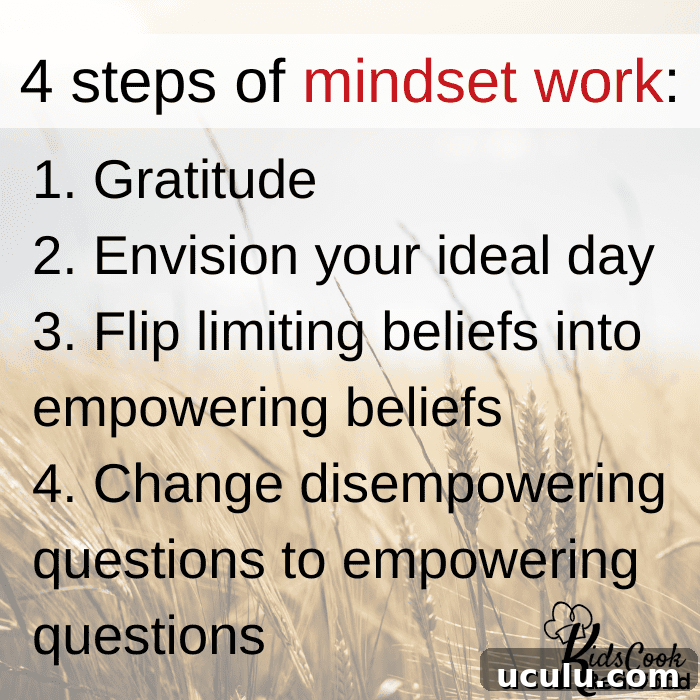
- 47:34 — Dr. Hirsch shares a four-step mindset practice that includes gratitude, envisioning an ideal day, reframing limiting beliefs, and asking empowering questions.
- 50:05 — Closing encouragement: start a daily gratitude practice and build it into your routine for meaningful change.
Resources Mentioned
- Dr. Hirsch offers a free PDF download of Tired of Being Tired and a free masterclass to help people begin resolving fatigue.
- Dr. Hirsch’s book: Fix Your Fatigue.
- An interview about Lyme disease as an example of infections that can contribute to chronic illness.
- Jack Canfield’s book The Success Principles, referenced in the discussion of mindset work.

Evan H. Hirsch, MD is a recognized expert on fatigue and long-haul conditions and the founder and CEO of the International Center for Fatigue. Through his books, courses, and clinical work he has helped thousands of people resolve chronic fatigue and long-haul symptoms using integrative approaches. When he’s not practicing, he enjoys performing, dancing, and spending time with his family.