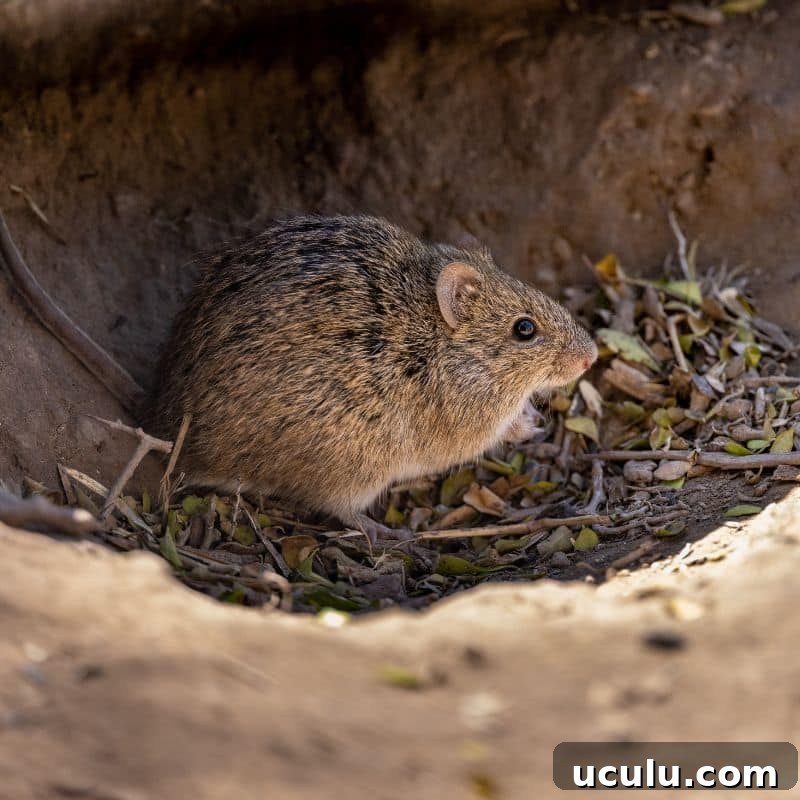
Pests can be a persistent nuisance, damaging property, spreading illness and lowering your comfort at home. Fortunately, with thoughtful, proactive measures you can greatly reduce the risk of infestations. This guide explains how to recognize pest behavior, identify common pests, use effective control methods, and maintain your property to keep it pest-free.

Understanding Pest Behavior
Learning how pests behave is the first step in preventing them. Different species prefer different conditions: some thrive in damp, dark places, while others prefer dry, warm spots. Many pests are nocturnal and active at night; others are visible during the day. Food-attracted pests, for example, will seek crumbs, spills and improperly stored food, so keeping kitchens and dining areas clean is essential.
Understanding life cycles also helps time control efforts for maximum impact. Fast-reproducing pests like ants or cockroaches can quickly become serious problems, so early action is important. Common household invaders include cockroaches, ants, termites, rodents and bed bugs. Noticing where pests congregate or how they move can reveal entry points and nesting sites, allowing you to target prevention.
Professional pest technicians can interpret activity patterns—when pests are most active and where they cluster—to locate sources and recommend targeted treatments. Early detection and targeted responses are more effective and less disruptive than waiting for an infestation to grow.
Identifying Common Pests
Recognizing the signs of infestations makes control easier. Rodents leave droppings and gnaw marks; cockroaches often hide in warm, moist areas; ants form trails to food sources; termites create mud tubes and can produce hollowed wood; bed bugs leave small blood spots on bedding and cause itchy bites. Mosquitoes breed in standing water and are active at dusk and dawn.
Some pests are hard to spot until the damage becomes obvious—termites and bed bugs can remain hidden for long periods. Regularly inspect vulnerable areas like basements, attics, crawl spaces and behind appliances for droppings, chew marks, shed skins or unusual stains. Early detection prevents extensive damage and simplifies treatment.
Why Hire Pest Control Professionals
DIY methods have a place for minor problems, but professional pest control services offer expertise and tools that are more effective for moderate to severe infestations. Licensed technicians understand pest biology, can identify entry points and nesting sites, and apply targeted treatments safely and efficiently. They also recommend structural fixes and ongoing prevention plans tailored to your property.
Professionals can provide a thorough property assessment, determine the infestation’s extent, and create a treatment plan that minimizes risk to people and pets. Investing in professional help often saves time, reduces repeated treatment attempts, and prevents costly damage down the road.
Effective Control Methods
After identifying the pest, choose control methods that match the situation. Mechanical methods—traps and exclusion—work well for rodents and some insects. Baits and insecticides can be effective when used according to label instructions or applied by a professional. Always prioritize products and approaches that are safe for household members and pets.
Natural and preventive options can reduce reliance on chemicals. Diatomaceous earth, essential oils like peppermint for certain insects, and household vinegar can deter pests in some cases. Equally important are sanitation and prevention: store food in sealed containers, promptly clean up spills, empty garbage regularly and remove standing water. Sealing cracks, repairing screens and weatherstripping doors and windows closes many entry points.
Regular Maintenance and Inspections
Ongoing maintenance is essential to long-term pest prevention. Inspect and repair structural issues—cracks, gaps, leaks and poor seals around doors and windows. Check attics, basements and storage areas periodically for signs of pests, moisture or nesting materials. Maintaining gutters, trimming vegetation away from the house and keeping firewood off the ground also reduce habitat for pests.
Scheduling routine professional inspections can catch problems early, before they become costly repairs. Regular monitoring combined with good housekeeping and property maintenance keeps your home healthier and more comfortable.

Creating and maintaining a pest-free home requires knowledge, vigilance and consistent effort. By understanding pest behavior, learning to identify common invaders, using appropriate control methods, and keeping up with maintenance and inspections, you can significantly reduce the risk of infestation. Start with sanitation and exclusion, use safe control measures when needed, and consult professionals for persistent or severe problems. With these strategies in place, you can protect your home’s structure, safeguard your family’s health and enjoy a cleaner, more comfortable living environment.