Can you put oil in an air fryer? That’s a common and sensible question for any air fryer owner.
You may have bought an air fryer expecting to cook everything oil-free. After all, the main appeal is avoiding deep frying while still getting crisp results.
So do you really need oil in an air fryer? I’ve been using air fryers for over a decade, own two models, and develop recipes specifically for air fryers. In this article I explain when oil is useful, how to apply it, and healthier alternatives so you can get the best results without unnecessary fat.
Do You Put Oil in an Air Fryer?
Yes — you can use oil in an air fryer, but you rarely need much. Many foods cook perfectly without any oil, while others benefit from a small amount to achieve better texture and color.
Even when you do use oil, air frying typically requires far less fat than deep frying, so it remains a healthier option overall.
Why Use Oil in an Air Fryer?
Using a little oil in an air fryer serves a few practical purposes:
- Prevents sticking: A light coating helps foods that tend to cling to the basket, like fish or lean chicken.
- Improves browning and crispness: Oil helps create a golden, crunchy exterior by concentrating heat at the surface.
- Enhances flavor and seasoning adhesion: Oil helps spices and marinades stick and distribute evenly across the food.
That said, you usually won’t need more than a teaspoon or two for most recipes.
Which Foods Benefit from Oil?
Certain foods respond particularly well to a light coating of oil:
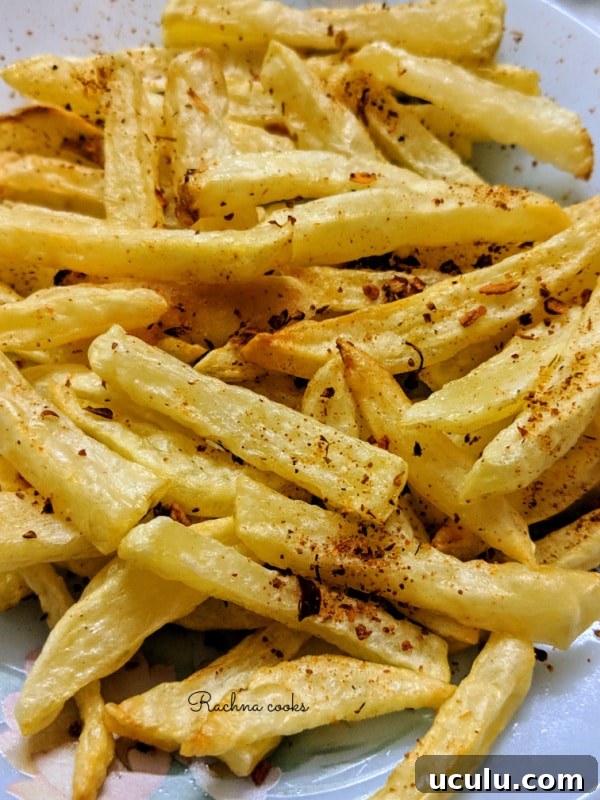
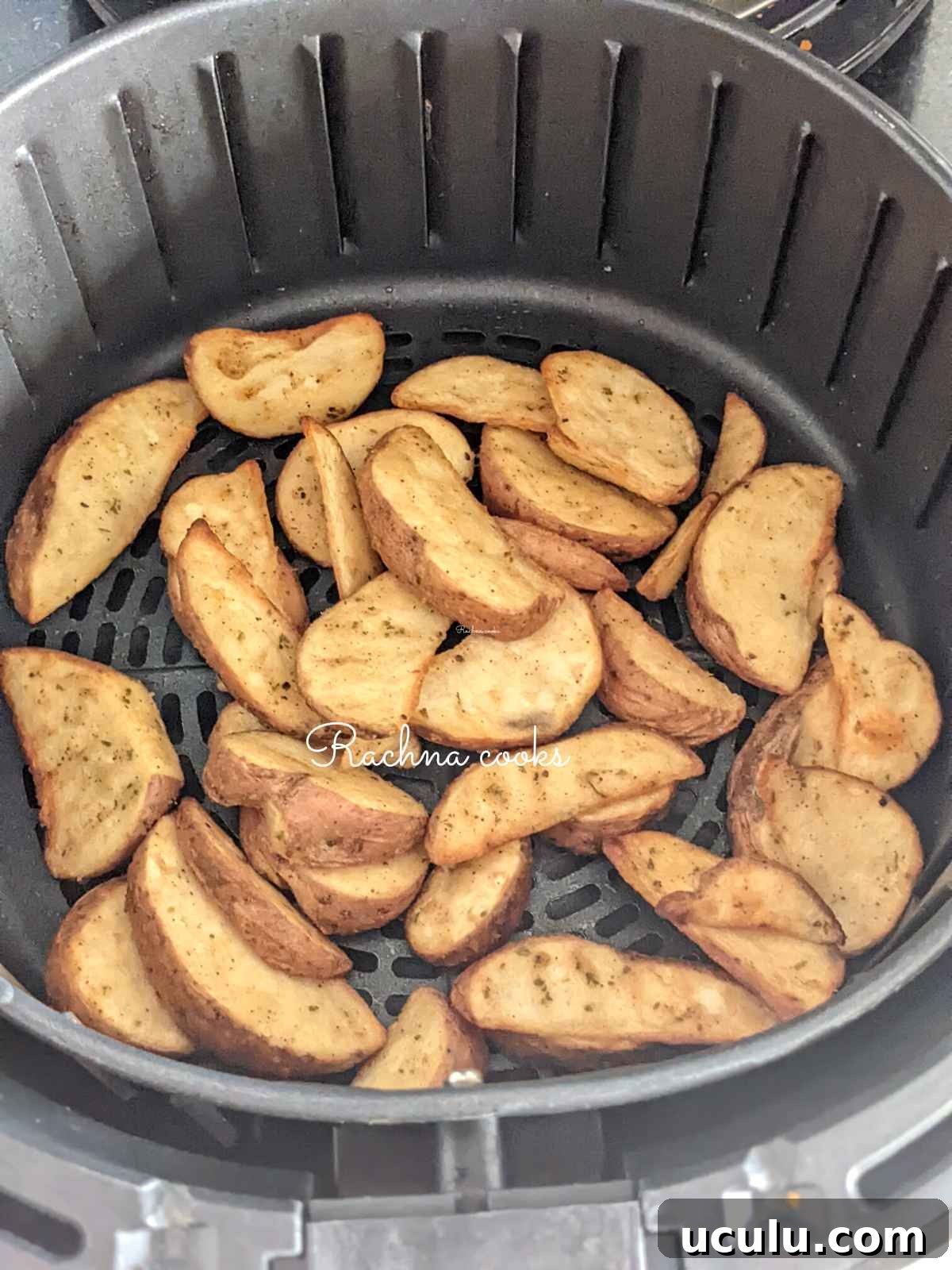
- Potatoes: Homemade fries, wedges, hash browns and roasted baby potatoes crisp up much better with a little oil.
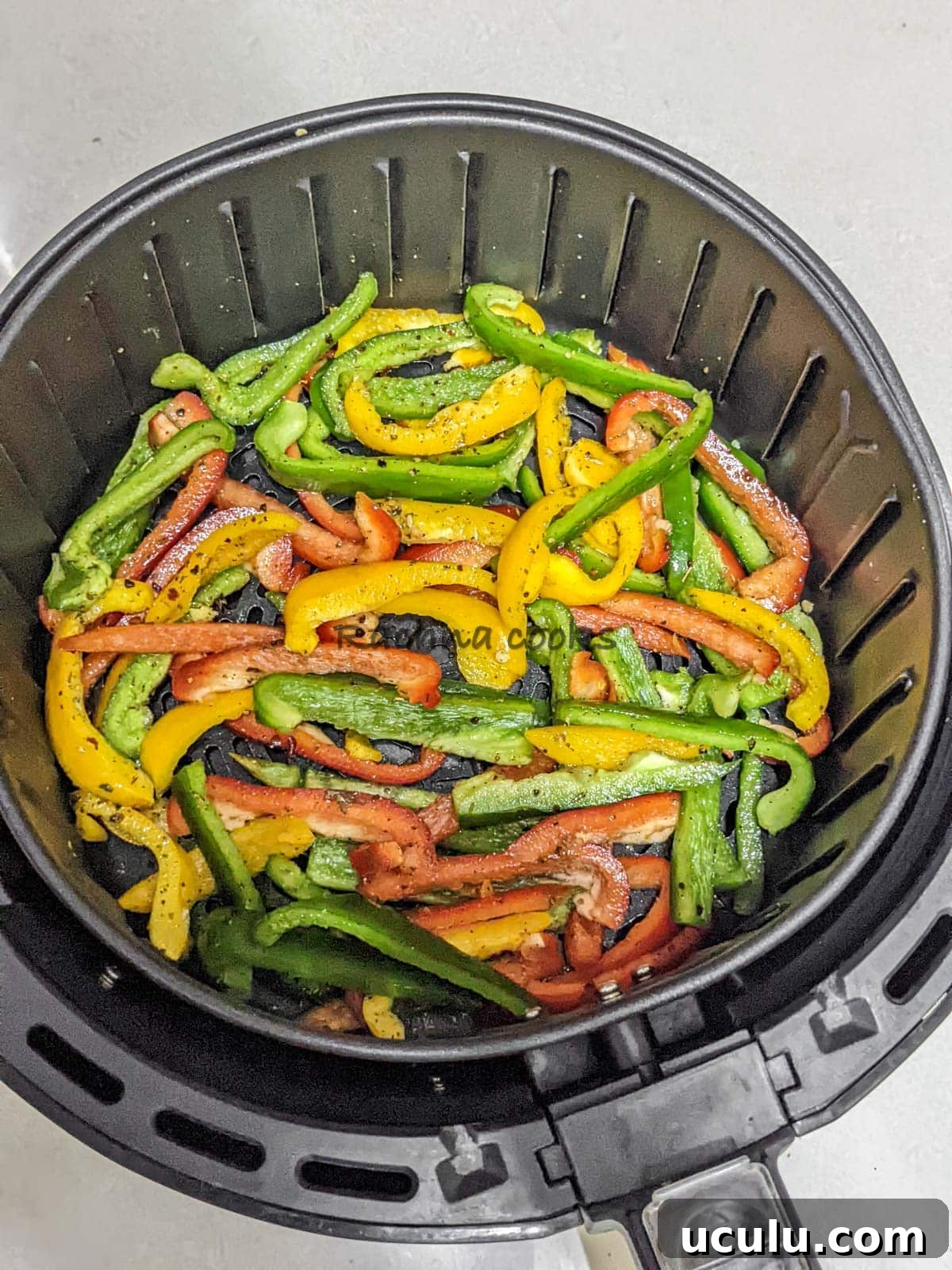
- Vegetables: Peppers, cauliflower, Brussels sprouts and similar vegetables brown and caramelize more evenly with some oil.
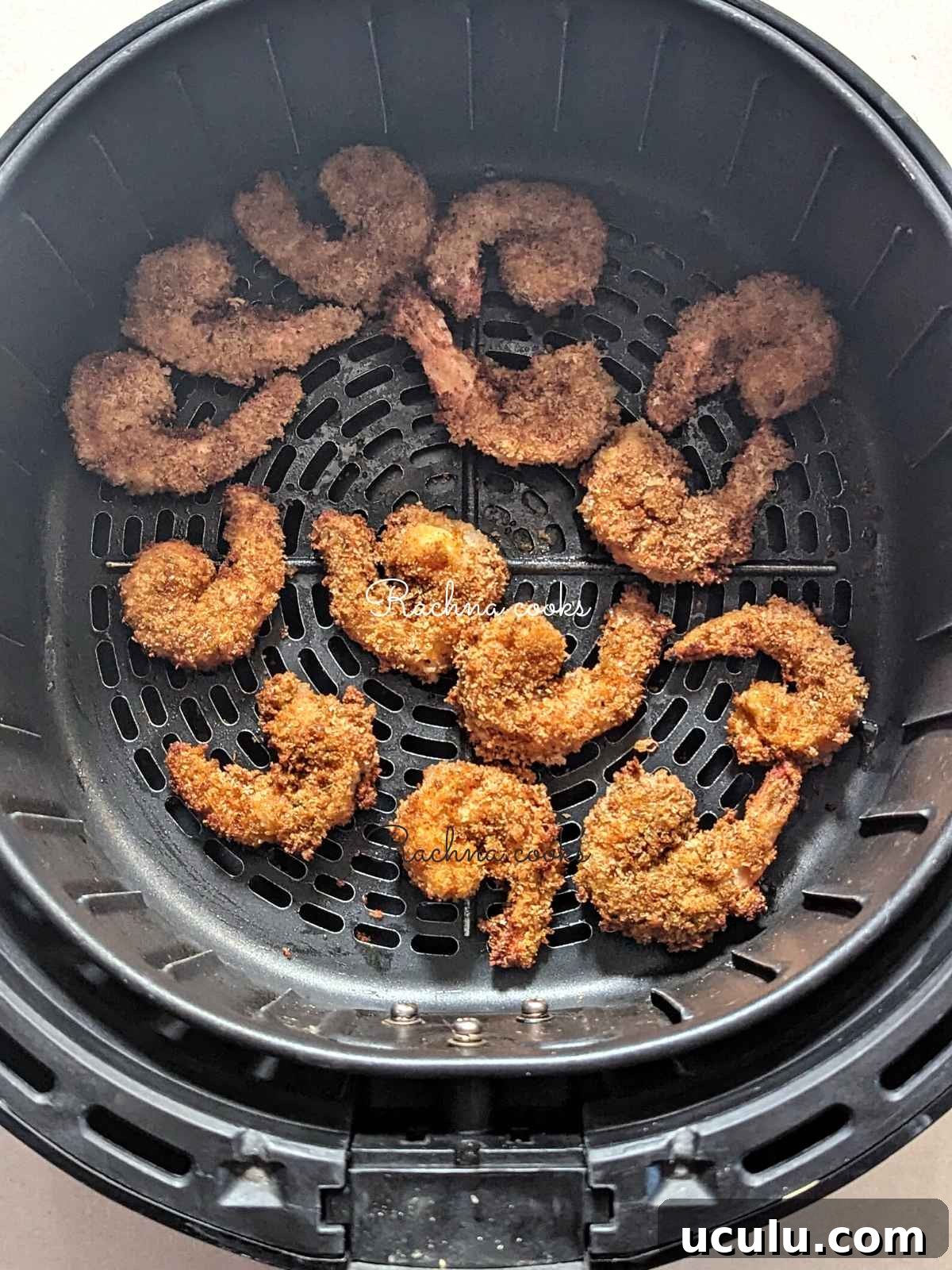
- Meats: Chicken, fish and pork can benefit from oil to reduce sticking and promote a crisp exterior.
- Frozen foods: Check the packaging. If the item already contains oil (many frozen fries do), extra oil is unnecessary. If it’s oil-free, a light brush or spray prevents drying.
Which Oils Are Suitable?
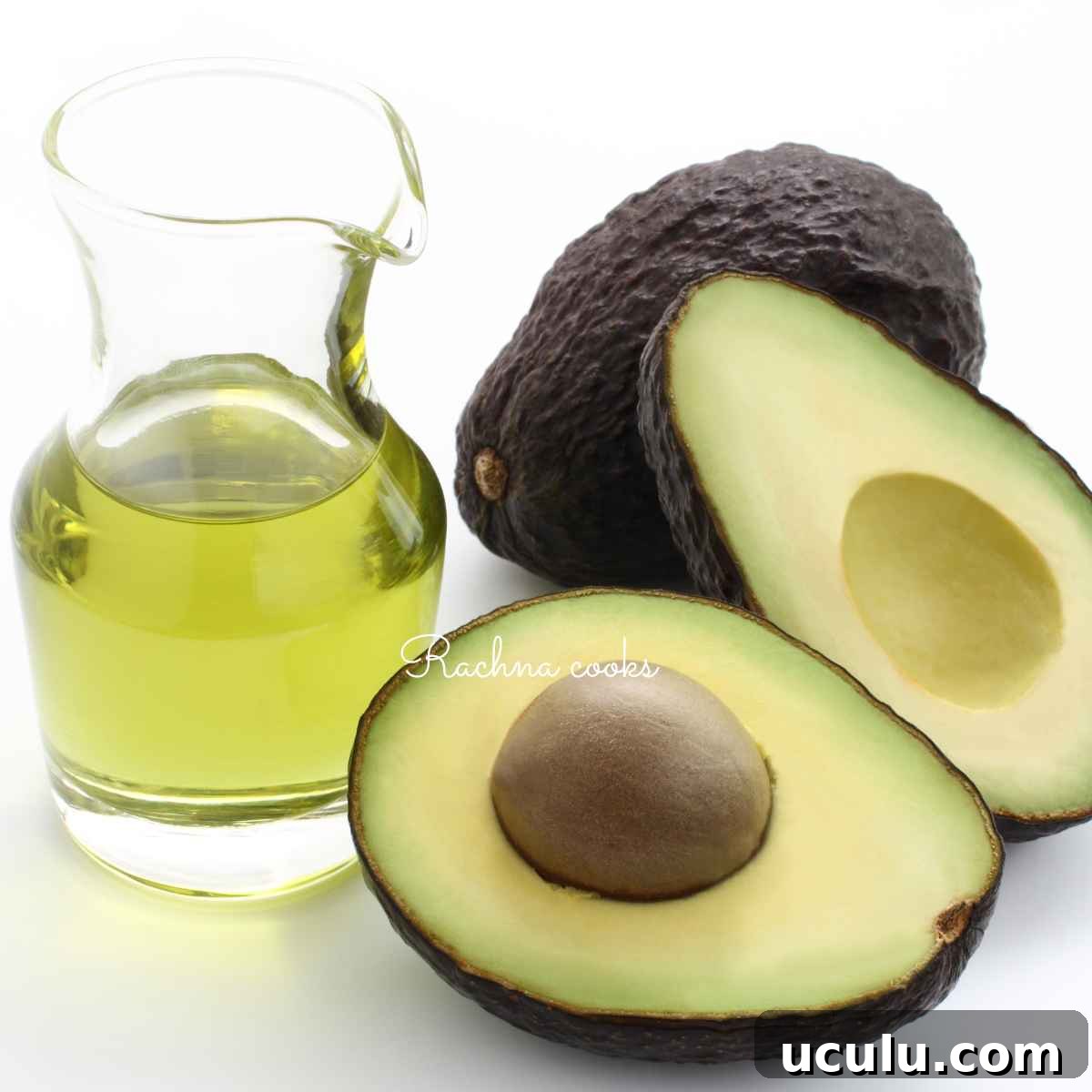
Choose oils with a high smoke point for air frying at typical temperatures (often 350–400°F / 175–200°C). Good options include:
- Avocado oil
- Light or extra-light olive oil
- Peanut oil
- Sunflower or other vegetable oils
These oils are stable at high heat and work well in the basket or on the food. Oils commonly used for oven cooking are generally fine for air fryers too.
How to Apply Oil in an Air Fryer
There are several effective methods for adding oil:
- Mix a teaspoon or two of oil with your seasonings in a bowl, then brush or rub it onto the food by hand.
- Use a silicone or natural-bristle basting brush to coat the food evenly.
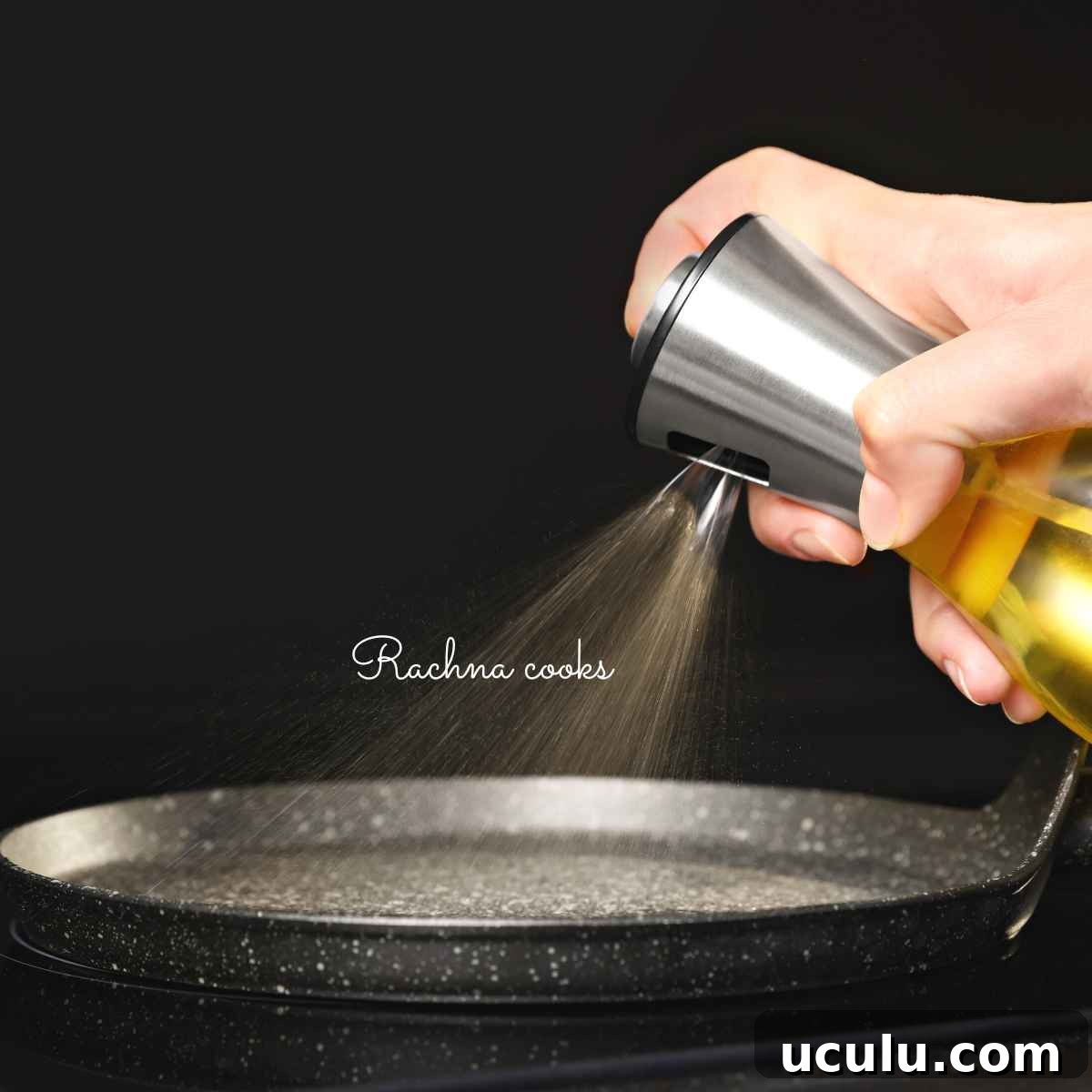
- Use a refillable oil sprayer or mister for a fine, even coating. Spray the food and, if desired, a light mist on the basket.
You can also apply oil partway through cooking if you want to boost browning without excess initial oil.
How Much Oil Should You Use?
Oil in an air fryer is mainly a light coating — not a bath. Most recipes call for a teaspoon or two, rarely more. Adjust to taste and the specific food you’re cooking, but keep quantities minimal to retain the health benefits of air frying.
Where to Put the Oil
Lightly oil the inside surface of the air fryer basket or the food itself. This prevents sticking and promotes even browning. Alternatively, use parchment paper or a silicone liner for foods prone to sticking.
Alternatives to Oil
If you prefer to avoid oil, there are several effective substitutes and techniques:
Dry Rubs and Seasonings
Use dry spices and seasoning blends to add flavor without fat. Garlic powder, onion powder, smoked paprika, cumin and other spices work well.
Using Small Amounts of Liquid
Liquids like lemon juice, vegetable stock, or aquafaba help seasonings adhere without adding much fat, though they won’t produce the same golden crust as oil.
Non-Stick Baskets and Liners
A non-stick basket or parchment paper/silicone mat can prevent sticking so you can cook with little or no oil and enjoy easier cleanup.
Foods That Typically Don’t Need Oil
Many items cook well without added oil, including:
- Most pre-coated frozen foods (many frozen fries, nuggets and fish sticks already contain oil)
- Dry snacks such as popcorn or roasted nuts (these can be air-fried without additional oil)
- Some vegetables, depending on the recipe and desired texture
With the right technique and seasoning, you can often achieve crisp, tasty results using little to no oil.
If you have any specific foods or recipes in mind, tell me what you’re cooking and I’ll recommend the best approach for oil, timing and temperature.