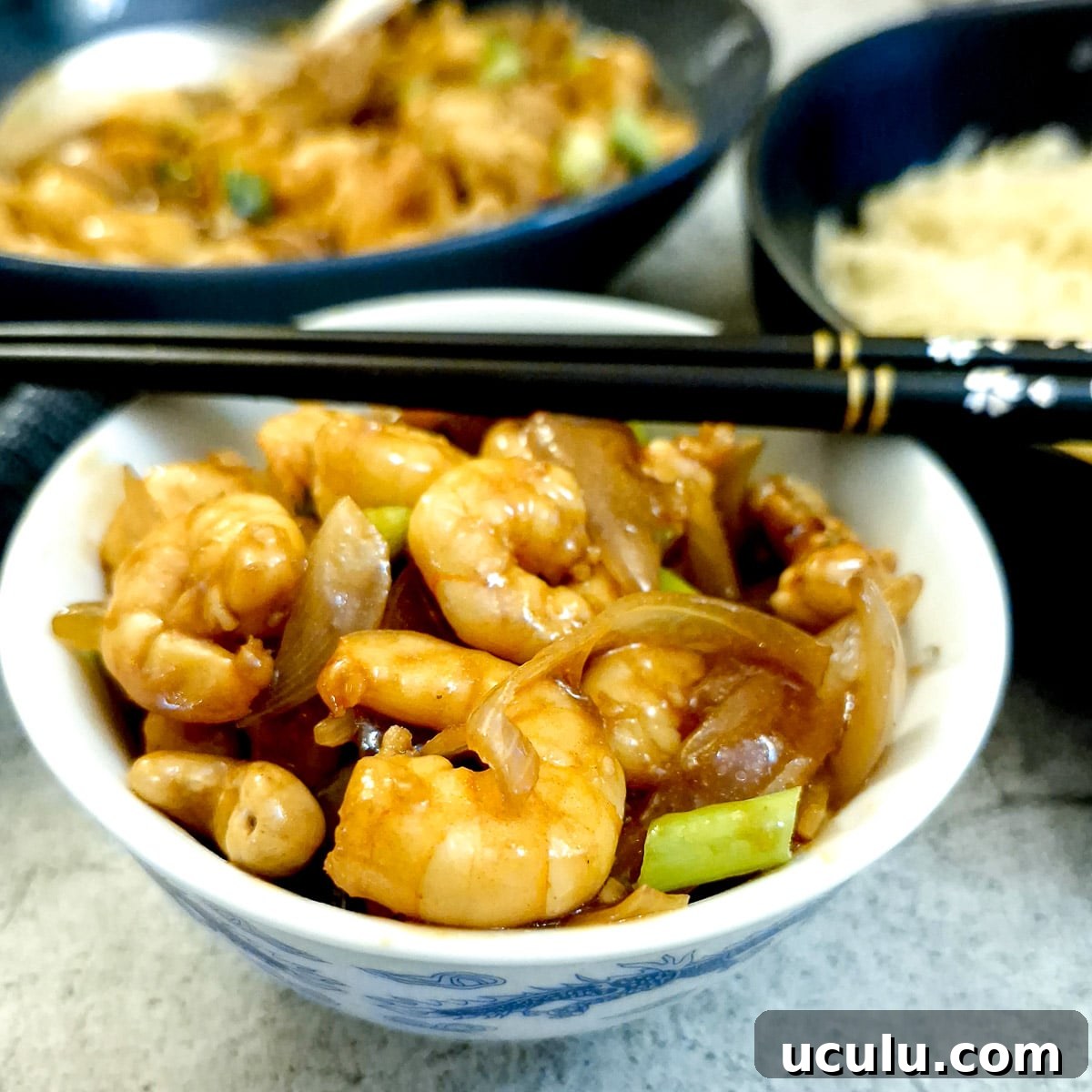
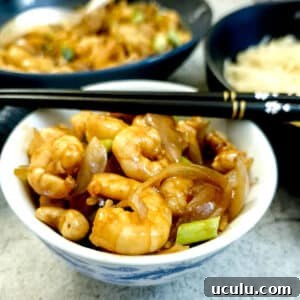
Combining succulent king prawns with lightly caramelised onions and crunchy toasted cashew nuts in a spicy, balanced sauce makes a delicious meal: Kung Pao prawns with cashews. A touch of Szechuan peppercorns adds a pleasant tingling note that complements the sweet, sour and spicy elements.
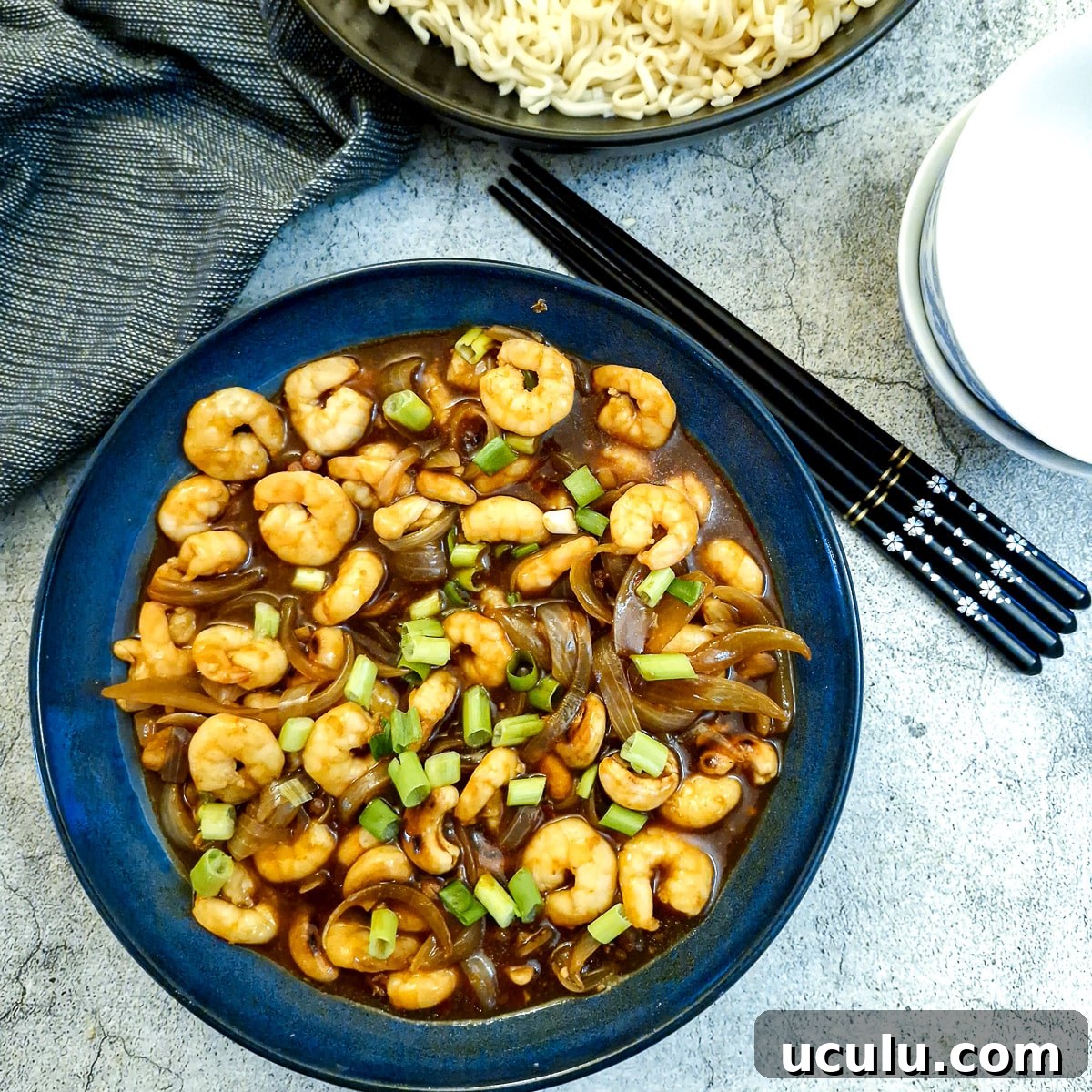
If you like spicy food, these Kung Pao prawns are an easy way to get that mouthwatering combination of texture and flavour. It’s a familiar favourite from many UK Chinese menus and is quick to prepare at home.
Made with king prawns and sweet onions in a sauce flavoured with Szechuan peppercorns, this recipe comes together fast — you can have it on the table in under 30 minutes. The Szechuan peppercorns provide a unique tingle rather than pure heat; dried chilli flakes supply the heat, so you can adjust those to suit your tolerance.
The sauce has a subtle tartness from rice vinegar balanced by a little sugar. Traditional Kung Pao often uses peanuts for crunch, but here I prefer the creaminess of toasted cashews — you can swap in peanuts if you prefer.
Serve these kung pao prawns with Chinese stir-fried noodles and beansprouts or egg-fried rice, or simply with steamed rice or plain boiled noodles if you want to keep things simple. The sauce is flavorful enough to carry the dish.
Ingredients
This dish serves 4 people.
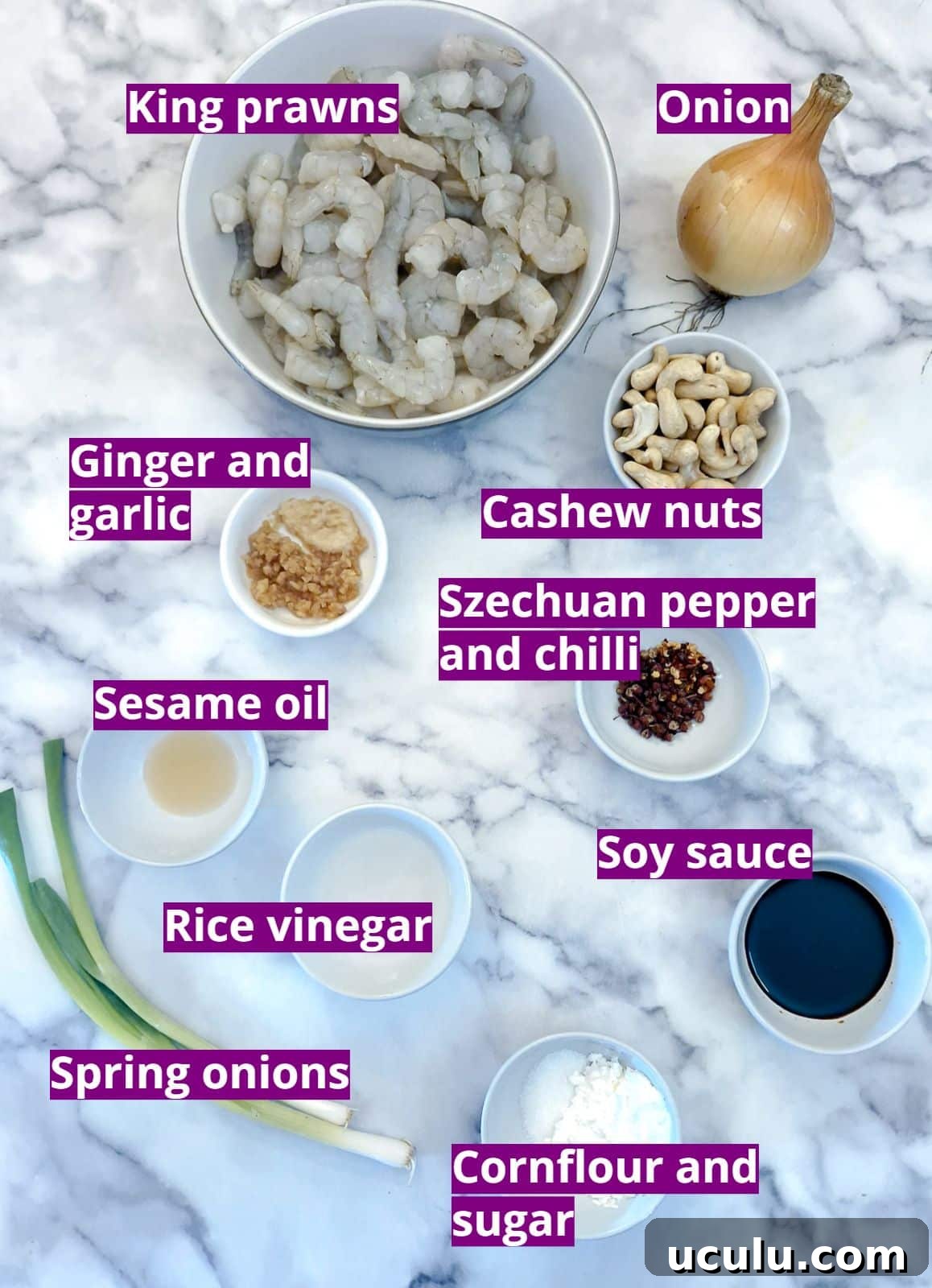
- King prawns (or shrimp) — I use frozen, headless, peeled prawns with the vein removed. If yours still have the vein, remove it by making a slit along the back and pulling it out. Defrost and pat dry.
- Onion — peeled and sliced.
- Cashew nuts — toasted in a dry pan to add crunch. Roasted unsalted peanuts can be used instead if preferred.
- Garlic and ginger — finely minced fresh garlic and ginger, or ready-prepared from jars for convenience.
- Szechuan pepper — adds a tingly, slightly citrusy mouthfeel. If you don’t have any, omit it or add a little white pepper.
- Chilli — dried chilli flakes for heat; adjust to taste.
- Sesame oil — a little goes a long way; it adds a nutty aroma.
- Rice vinegar — provides tartness; you can substitute other white vinegars if needed.
- Soy sauce — dark soy is used here for saltiness and colour.
- Sugar — balances the vinegar with a touch of sweetness.
- Cornflour (cornstarch) — used to thicken the sauce.
- Spring onions (scallions) — finely sliced for garnish.
- Sunflower or vegetable oil — a few tablespoons for frying.
- Salt — optional, to taste after cooking; the soy sauce usually supplies enough salt.
You can find exact measurements in the printable recipe card in the recipe section below.
Instructions
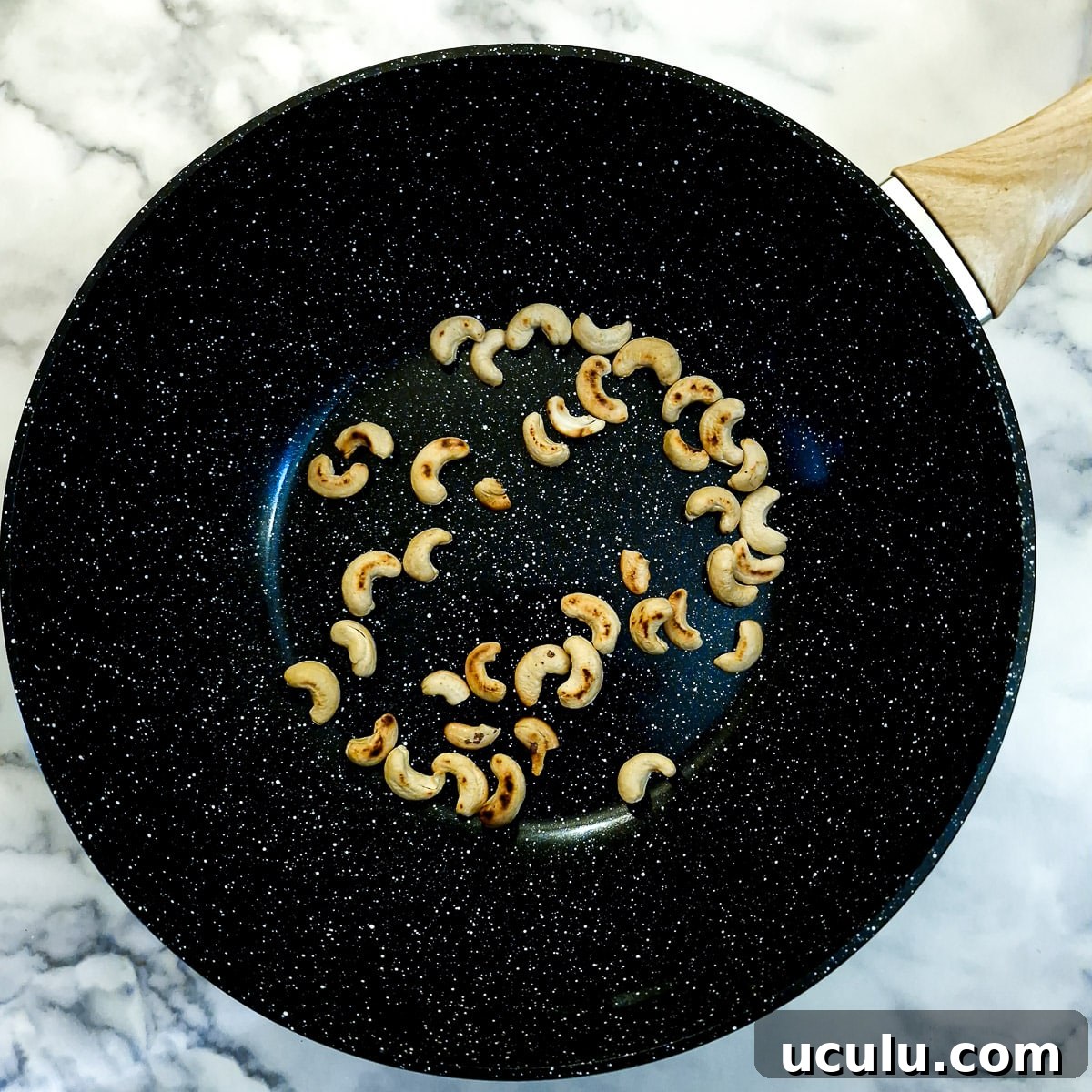
Step 1: Toast the cashews in a dry frying pan over moderate heat for 2–3 minutes, stirring constantly until they begin to brown. Remove to a plate to avoid burning.
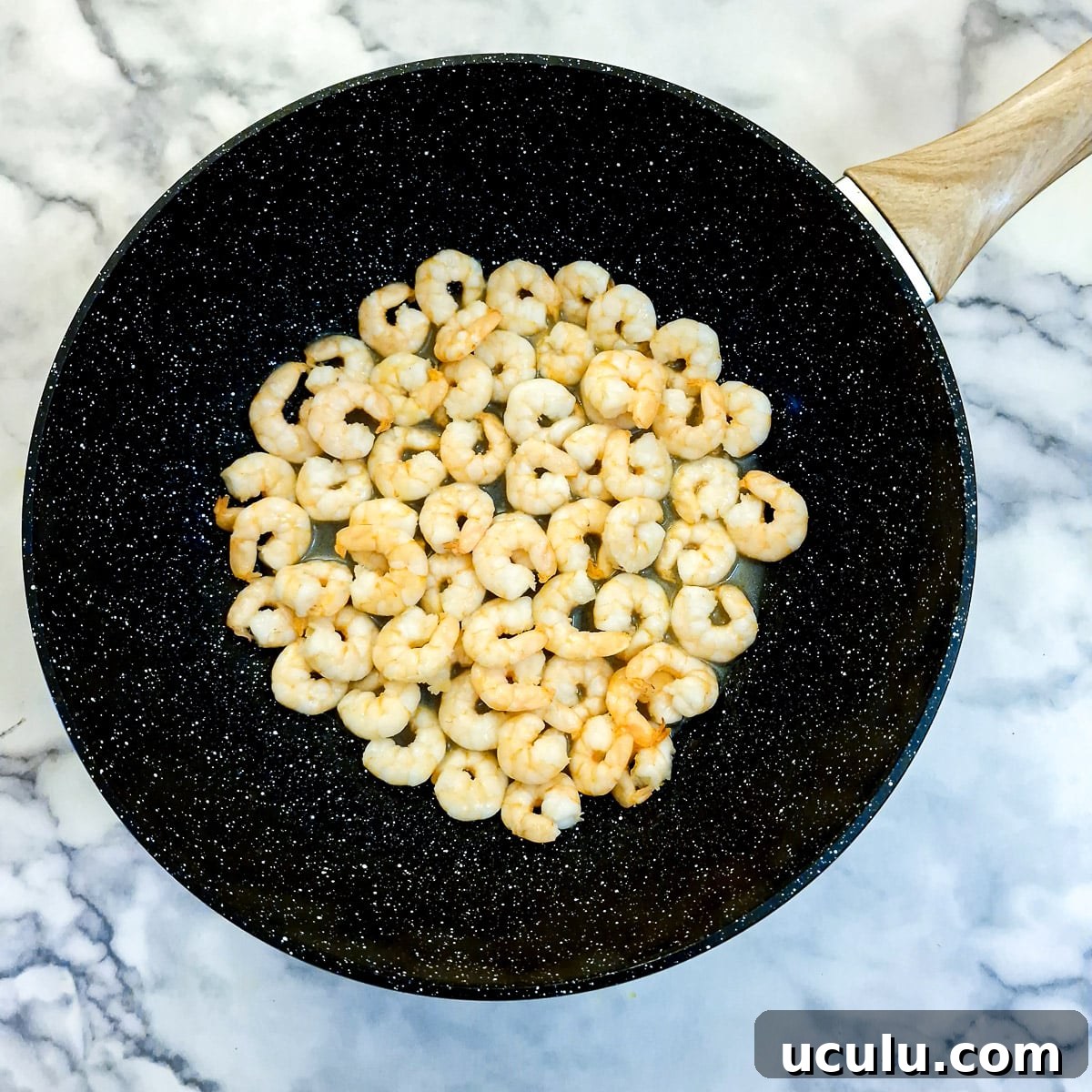
Step 2: Add a splash of oil to the pan and stir-fry the prawns over moderate heat until pink, about 3–4 minutes. Transfer the prawns to the plate with the cashews.
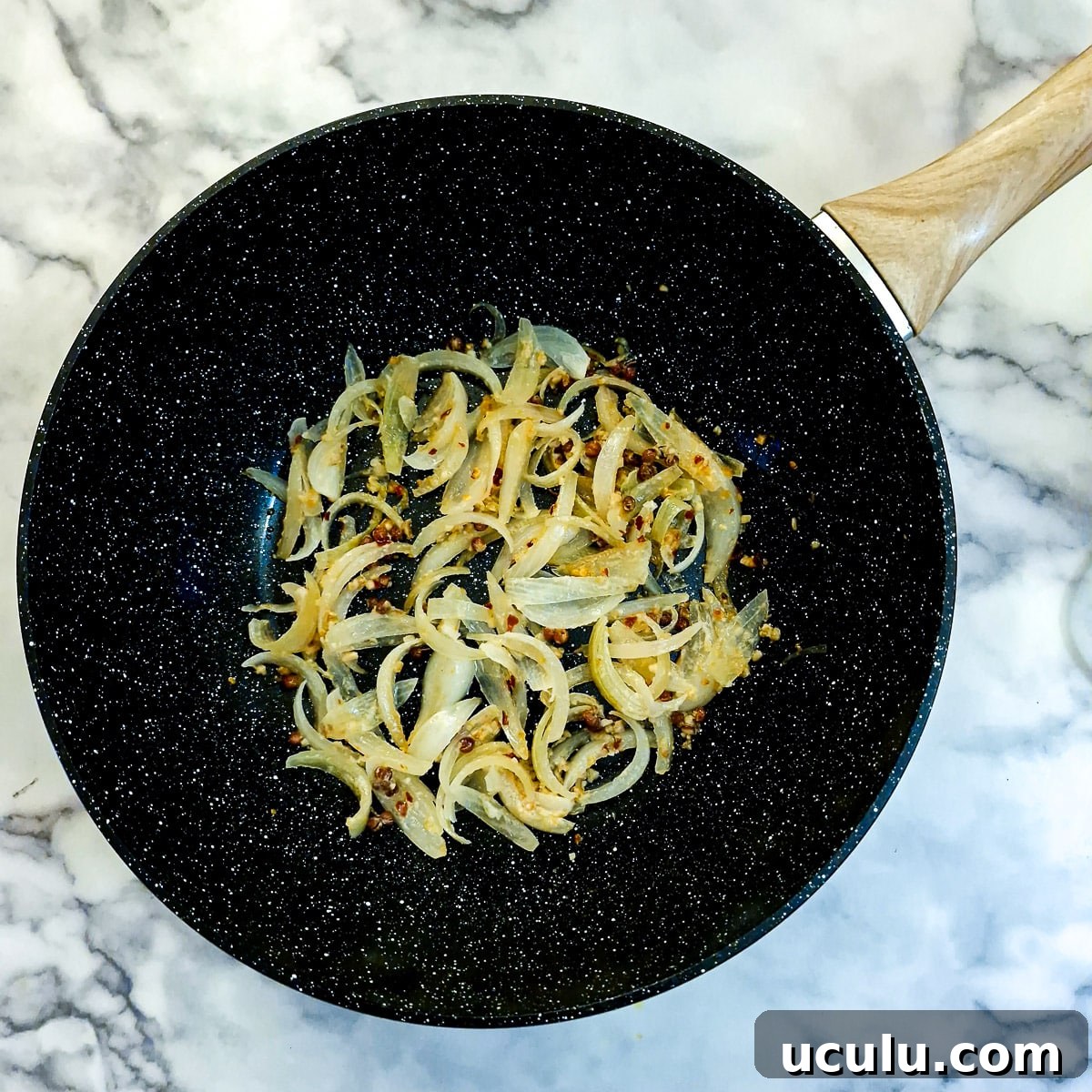
Step 3: Add another splash of oil and fry the sliced onions with the ginger, garlic, chilli flakes and Szechuan peppercorns over moderate heat until the onions soften and begin to brown, about 4–5 minutes.
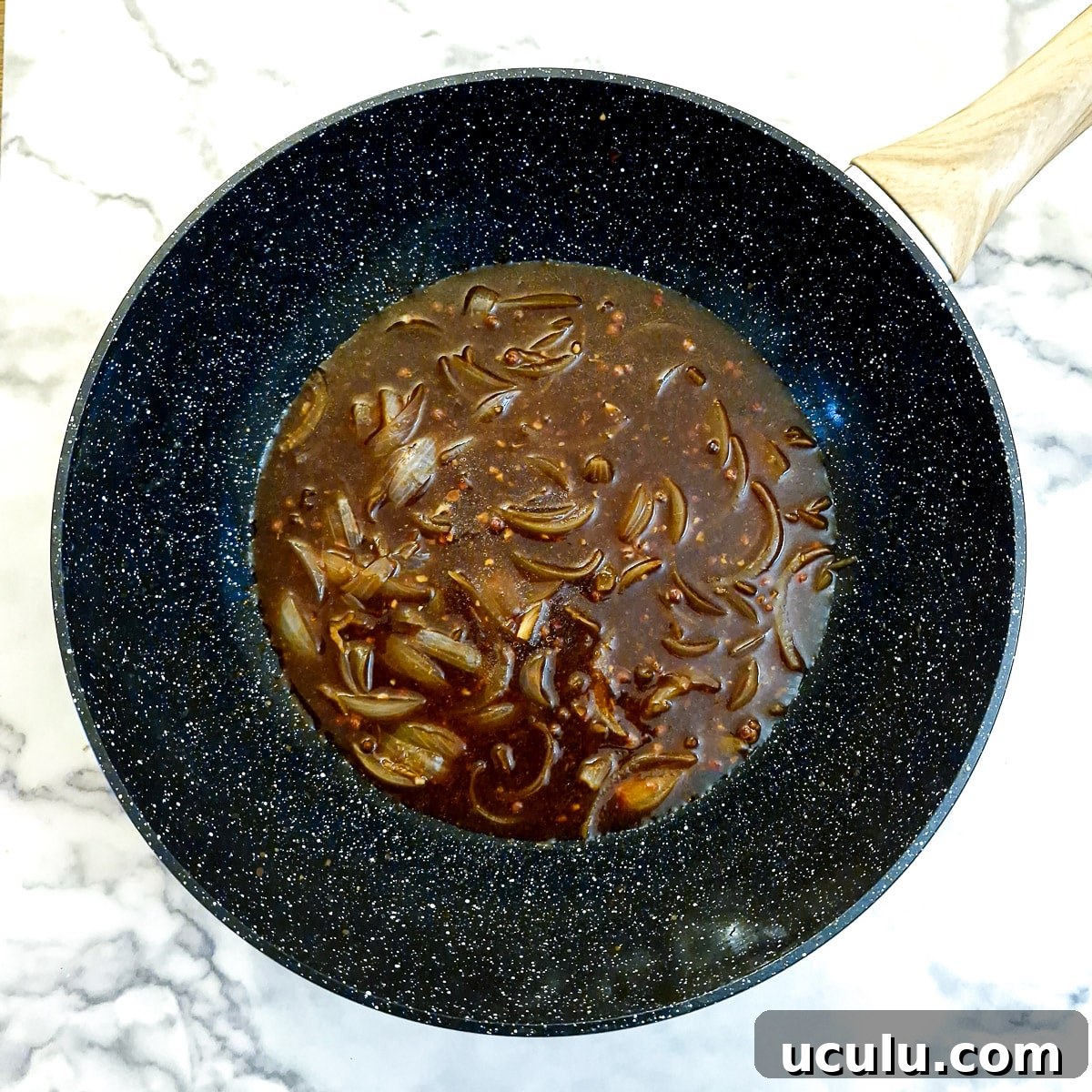
Step 4: Mix the remaining sauce ingredients in a small bowl with half a cup of water, then pour into the pan. Bring to a boil and stir until the sauce thickens, taking care to keep the cornflour from settling and forming lumps.
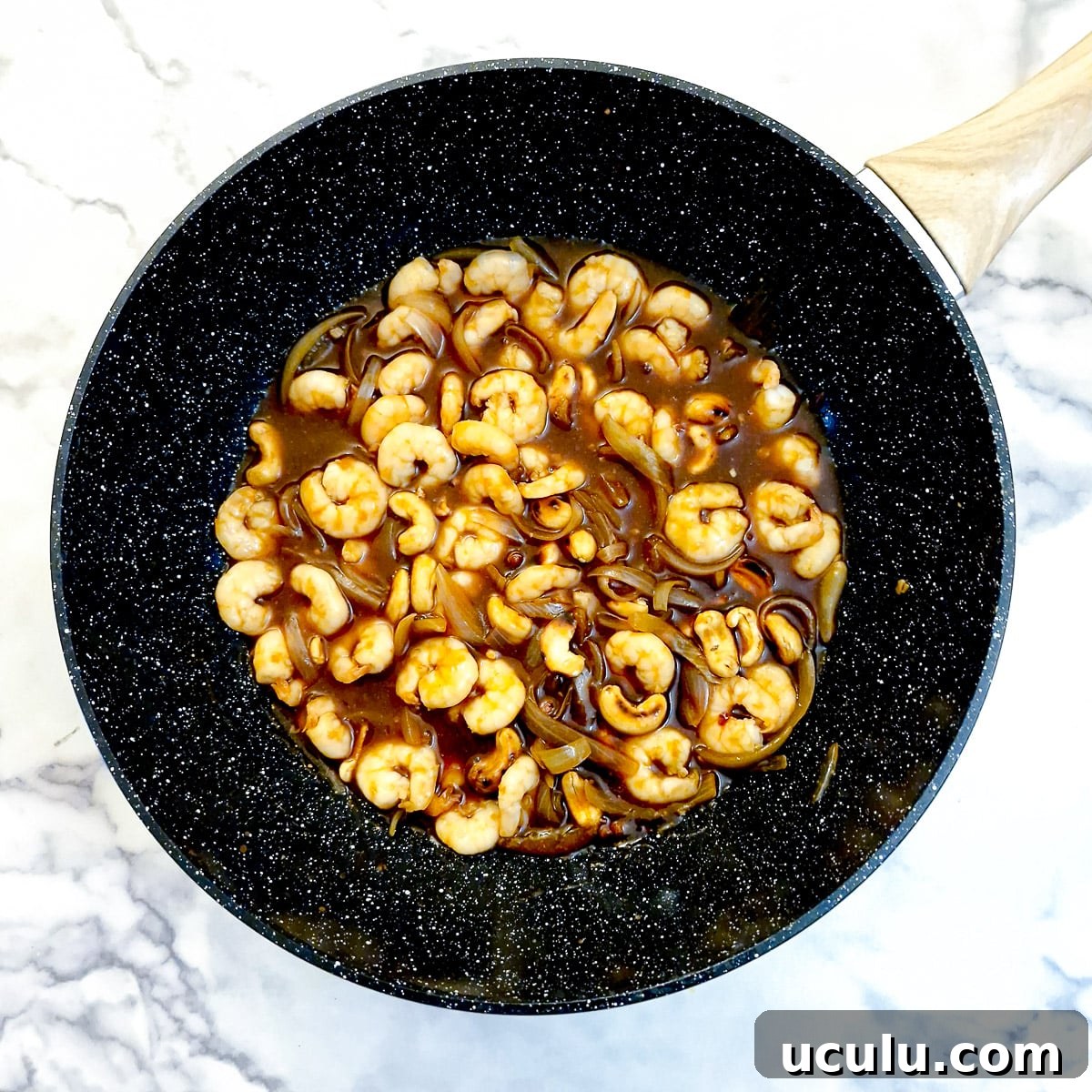
Step 5: Return the prawns and cashews to the pan and stir until everything is heated through and evenly coated in sauce. Taste and add salt if needed.
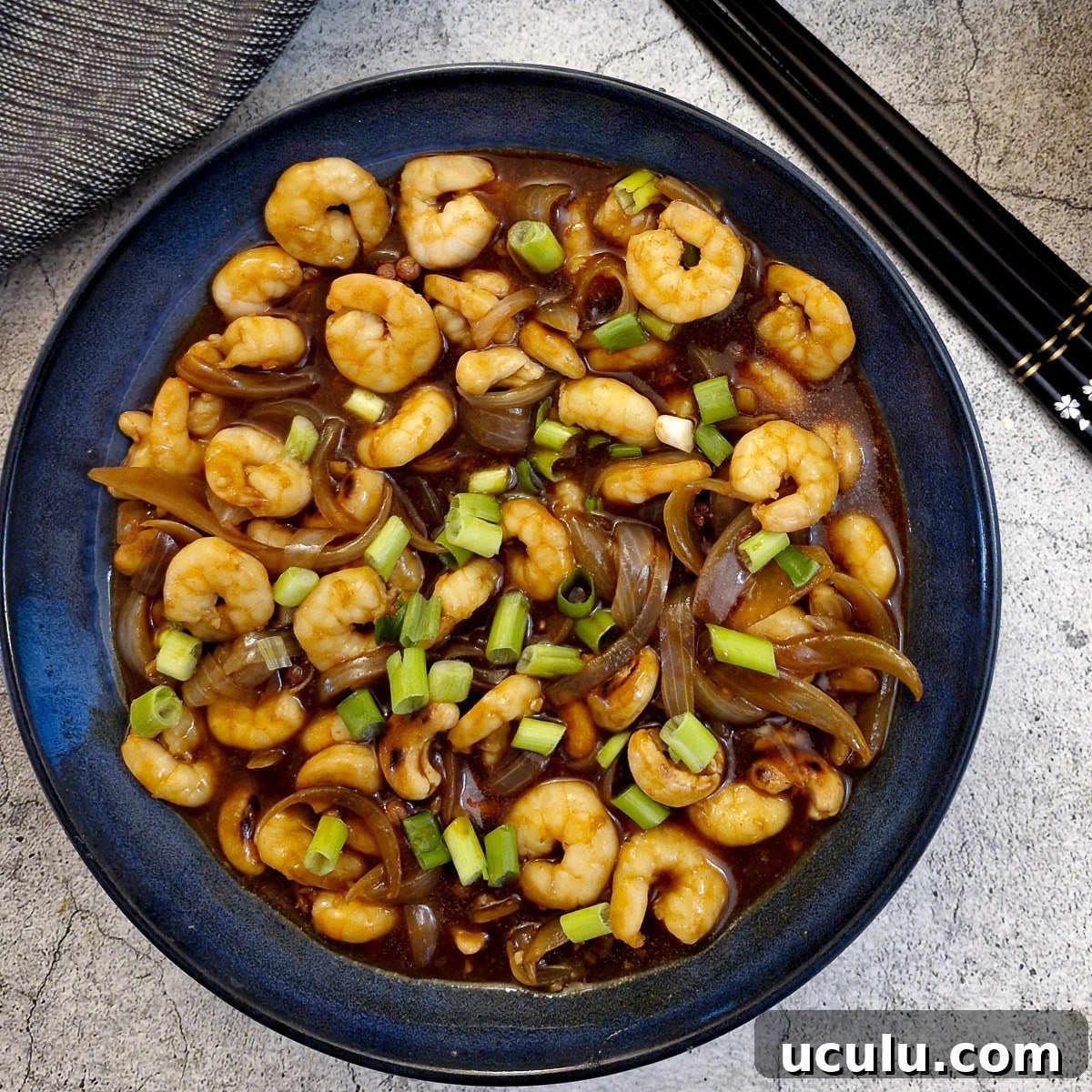
Step 6: Transfer to a serving dish, garnish with chopped spring onions and serve immediately with rice or noodles.
Tips for a successful outcome
Key tips to ensure your dish turns out well:
- Prepare all ingredients before cooking — the recipe moves quickly.
- Keep the heat moderate and stir the cashews constantly while toasting to prevent burning. Alternatively, toast them briefly in an air fryer at 180°C (360°F) in one-minute intervals.
- Avoid overcooking the prawns; they cook quickly and will continue to cook slightly when returned to the hot sauce.
- When frying onions, keep stirring over moderate heat so they soften without charring; they should still have a slight bite before you add the sauce.
- After adding the sauce, stir continuously so the cornflour thickens the sauce evenly and doesn’t form lumps.
- Add the prawns and cashews back as soon as the sauce thickens and stir for 1–2 minutes to finish.
Variations
This recipe adapts well to chicken if you prefer:
- Use diced chicken breast or boneless thigh pieces.
- Coat the chicken briefly in 2 teaspoons cornflour mixed with 2 tablespoons soy sauce, let sit for 5 minutes, then fry until cooked through.
- Proceed with the recipe as written, adding the cooked chicken back into the sauce at the end.
Equipment
A large non-stick wok is ideal, but a large frying pan or sauté pan works too. You’ll also need a sharp knife, chopping board and a small bowl for the sauce.
Storage
Store leftovers in a covered container in the fridge for up to 3 days. Reheat on the stove or in the microwave until piping hot. Freezing is not recommended: reheated prawns can become rubbery, and many recipes use prawns that were previously frozen and defrosted.
Top Tip
If you need to avoid constant stirring, turn the heat to low, cover the pan and leave the onions for 5 minutes; they should soften sufficiently under the lid.
FAQ
Szechuan pepper (or Sichuan pepper) comes from the dried husks of the Chinese prickly ash and is related to citrus. It provides a distinctive tingling, numbing sensation and is common in Sichuan cuisine.
No — fresh prawns are fine, but you will need to remove heads, shells and the vein yourself.
That vein is the prawn’s digestive tract, which can contain grit. It’s harmless but usually removed for appearance and texture.
They’re essentially the same; the name varies by region. In the UK, Australia and South Africa they’re usually called prawns; in the US they’re called shrimp.
Save for later
Save the recipe image or bookmark this page so you can return to it when you want to cook. You can also print the recipe using the printable card below.
Related recipes
For more Chinese-inspired recipes, explore other dishes such as spicy Szechuan chicken, Pad Thai, or Thai fish parcels. Here are a few suggestions from the same collection:
-
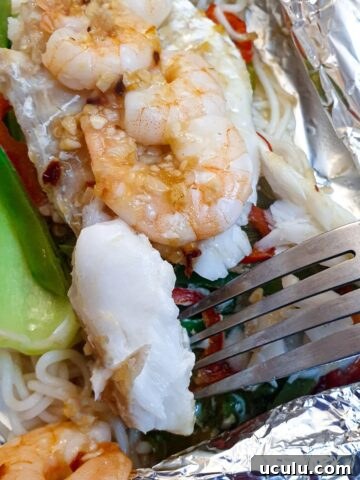
Thai fish parcels (with cod and prawns)
-
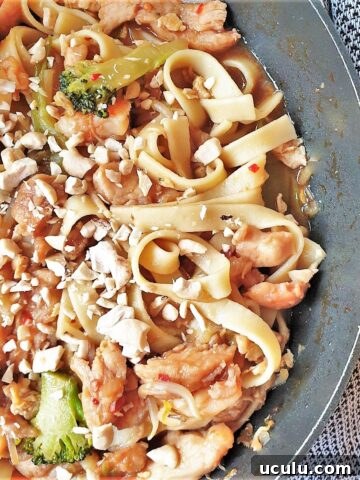
Pad Thai Noodles with Chicken and Shrimp
-
Spicy Szechuan chicken
-
Salt and pepper chips

📋The recipe
Kung pao prawns with cashews
Equipment
- Wok or large frying pan
- Sharp knife
- Chopping board
- Small bowl
- Spatula
Ingredients
- 1 pound / 450 grams frozen cleaned prawns or shrimp, defrosted and dried
- 1 medium onion, peeled and sliced
- 3 tablespoons cashew nuts
- 2 cloves garlic, finely chopped
- 1 teaspoon fresh ginger, grated
- 1 teaspoon Szechuan peppercorns
- ½ teaspoon dried chilli flakes (or to taste)
- 1 teaspoon sesame oil
- 2 tablespoons dark soy sauce
- 2 tablespoons rice vinegar
- 1 teaspoon sugar
- 2 teaspoons cornflour
- ½ cup cold water
- 2 spring onions, finely sliced for garnish
- 2–3 tablespoons sunflower or vegetable oil for frying
- Salt to taste (optional)
Instructions
- Toast 3 tablespoons cashew nuts in a dry frying pan over moderate heat for 2–3 minutes until lightly browned. Remove to a plate.
- Add 2 tablespoons oil to the pan and stir-fry the prawns for 3–4 minutes until pink. Transfer to the plate with the cashews.
- Add another splash of oil and fry 1 sliced onion with 2 cloves garlic, 1 teaspoon grated ginger, 1 teaspoon Szechuan peppercorns and ½ teaspoon dried chilli flakes until the onion starts to brown and soften (about 4–5 minutes).
- Combine 1 teaspoon sesame oil, 2 tablespoons dark soy sauce, 2 tablespoons rice vinegar, 1 teaspoon sugar, 2 teaspoons cornflour and ½ cup cold water in a small bowl. Stir into the pan, bring to a boil and cook until the sauce thickens, stirring to avoid lumps.
- Return the prawns and cashews to the pan and stir until heated through. Taste and add salt if needed.
- Transfer to a serving dish, garnish with 2 sliced spring onions and serve immediately with rice or noodles.
Notes
- Prepare ingredients ahead of time — the dish cooks quickly.
- Toast cashews carefully and keep stirring; use an air fryer if you prefer.
- Do not overcook prawns to avoid a rubbery texture.
- Keep stirring after adding the sauce so the cornflour thickens evenly.
- Add prawns and cashews back as soon as the sauce thickens and stir 1–2 minutes to finish.
Nutrition values exclude any rice or noodles served with the dish.
Nutrition
| Carbohydrates – 10.8 g
| Protein – 23.8 g
| Fat – 11.3 g
Nutrition information was calculated with an online tool and is for guidance only.
If you make this recipe and enjoy it, please leave a rating or comment to let me know how it turned out. If you’d like to get in touch, use the contact details on the site.
To explore more recipes, browse the recipe index on the site.