How to Make Soft Pretzels at Home: Classic, Chewy Recipe
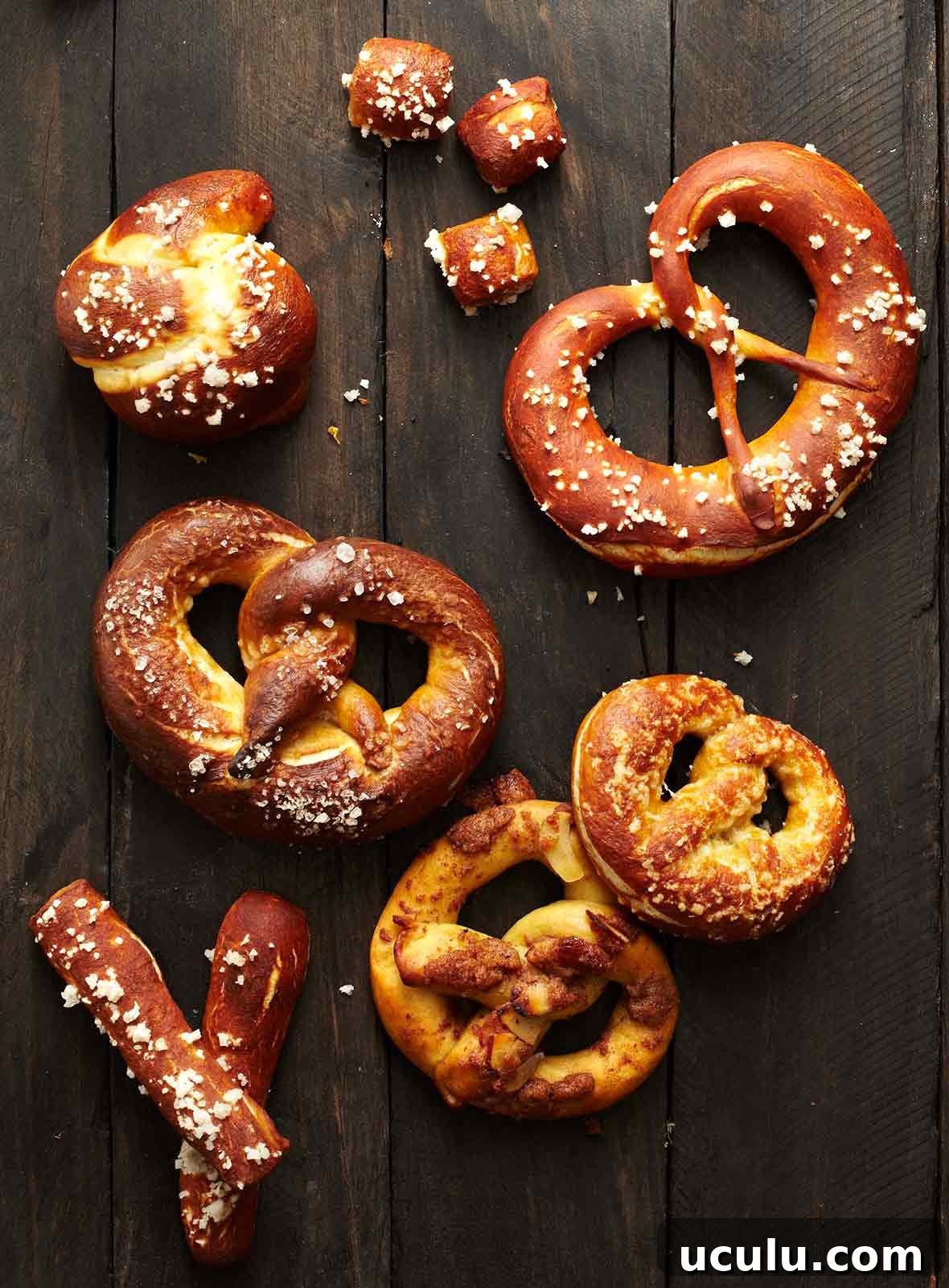
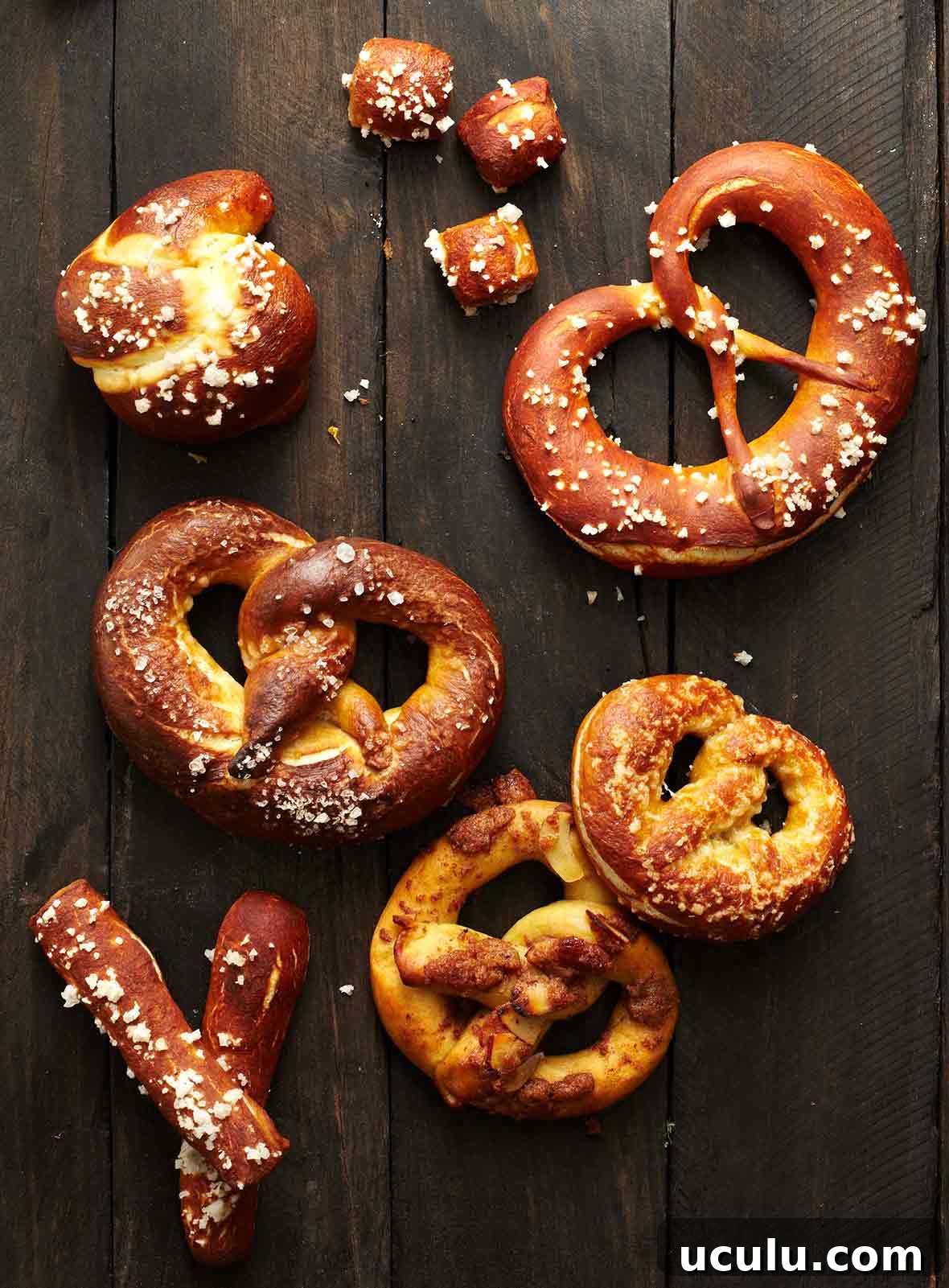
This soft pretzel recipe is a German classic adapted for the home kitchen with everyday ingredients — including beer — to produce deep mahogany, crunchy, yeasty pretzels with a chewy interior. Follow these steps to make authentic-tasting pretzels at home.
TL;DR (Quick-Answer Box)
What it is: German-style soft pretzels with a glossy, dark crust and a chewy interior. This version uses beer in the dough and a lye-free alkaline bath made from baked baking soda.
Why you’ll love it: These taste like pretzels from a German biergarten rather than soft, pale rolls. The dough benefits from a cold, slow fermentation, and the alkaline bath gives the characteristic color, chew, and flavor.
How to make them: Mix the dough with beer and barley malt (or brown sugar), cold-ferment overnight, shape, dip briefly in a baked-baking-soda bath, brush with egg wash, and bake at high heat until deeply browned.
JUMP TO RECIPE
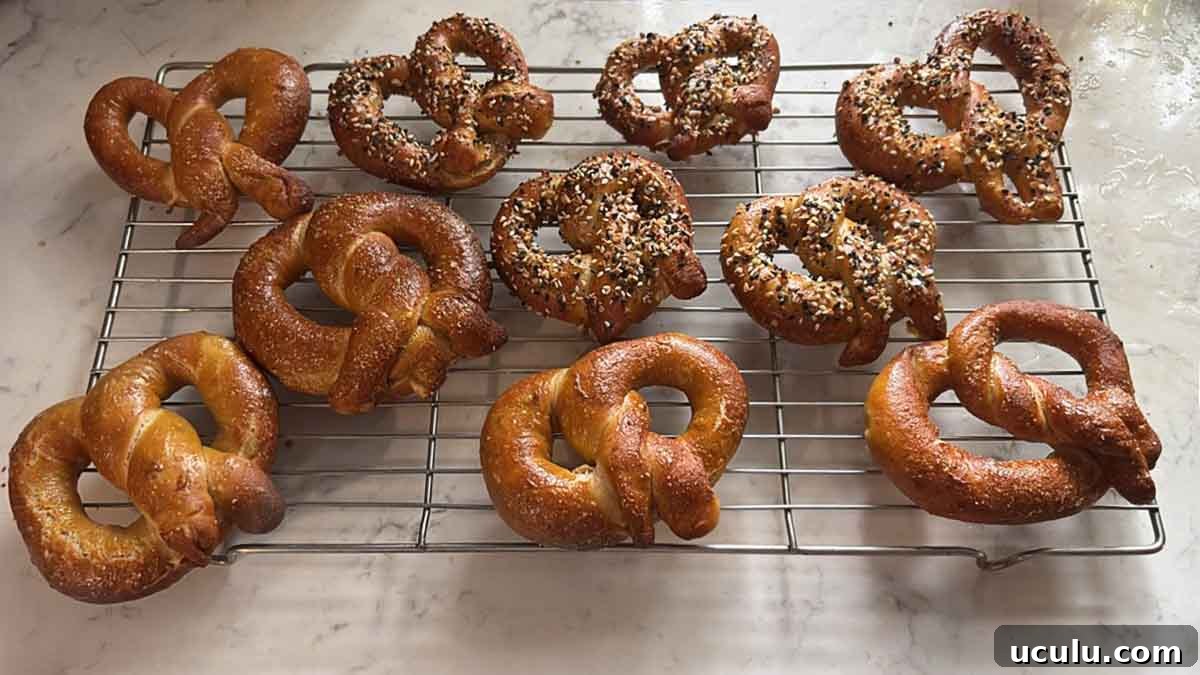
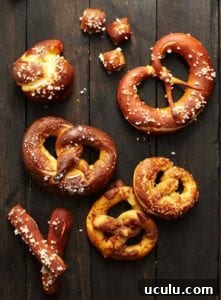
If you’ve tasted true German soft pretzels — with a dark, burnished crust streaked with coarse salt and a tender, chewy interior — you’ll know what to expect from this recipe. The classic Swabian shape favors plump “bellies” and tapered “arms” twisted together. Variations on shaping are provided below the recipe for different styles and portion sizes. –Andrea Slonecker
Why this soft pretzel recipe works
Many pretzel recipes produce something edible, but this one reproduces the deep color, chew, and flavor of authentic pretzels. Four elements combine to make that happen:
Beer in the dough adds subtle complexity and helps develop a darker crust.
Barley malt syrup (or dark brown sugar) feeds the yeast and deepens crust color and flavor.
Overnight cold fermentation builds nuanced, yeasty flavor you won’t get from a short proof.
Baked baking soda, made by heating regular baking soda, becomes more alkaline and produces the dark, signature pretzel exterior when dissolved for the pretzel bath.
This baked-baking-soda method is a safer home alternative to using food-grade lye and dramatically speeds the Maillard reaction that browns and flavors the crust.
Your soft pretzel questions, answered
Why bake baking soda to make pretzels?
Roasting baking soda at 250°F for about two hours converts sodium bicarbonate into sodium carbonate, a much more alkaline compound. This higher pH accelerates browning and creates the classic mahogany crust, chewy texture, and slightly mineral pretzel flavor. Treat baked baking soda with care: it can irritate skin and eyes, so avoid direct contact and use stainless-steel cookware to prepare the dipping solution to prevent metal reactions.
Why dip pretzels in an alkaline bath before baking?
Dipping shaped dough briefly in an alkaline bath raises the surface pH and triggers rapid Maillard browning during baking. The result is a deep, glossy crust, signature chew, and the distinctive pretzel flavor. Without this step you’ll get rolls, not pretzels.
How do I know when pretzel dough is fully kneaded?
Pretzel dough should be smooth, elastic, and fairly firm — drier than pizza or sandwich dough. Instead of a windowpane test, use the poke test: press a finger into the dough; if it springs back and mostly fills the indent, the gluten is developed. If the indent remains slack, knead a minute or two longer.
More cravable savory snack recipes
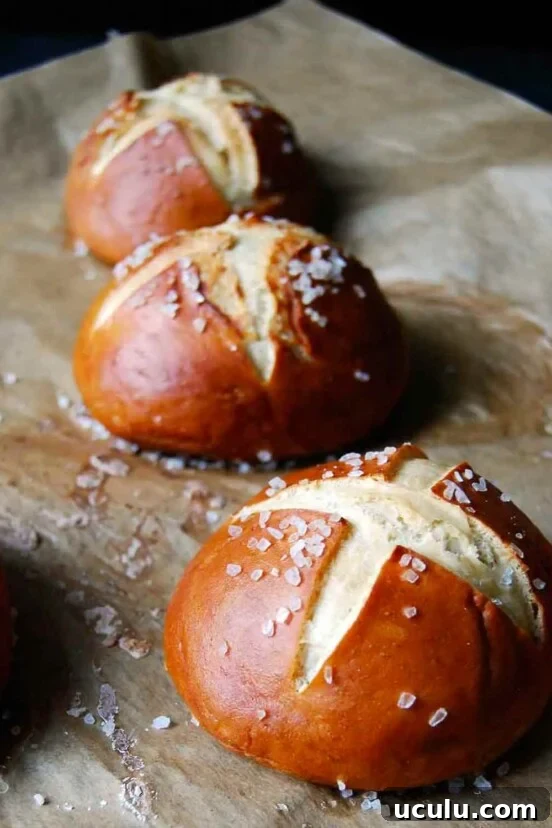
Pretzel Rolls
2 hrs 30 mins
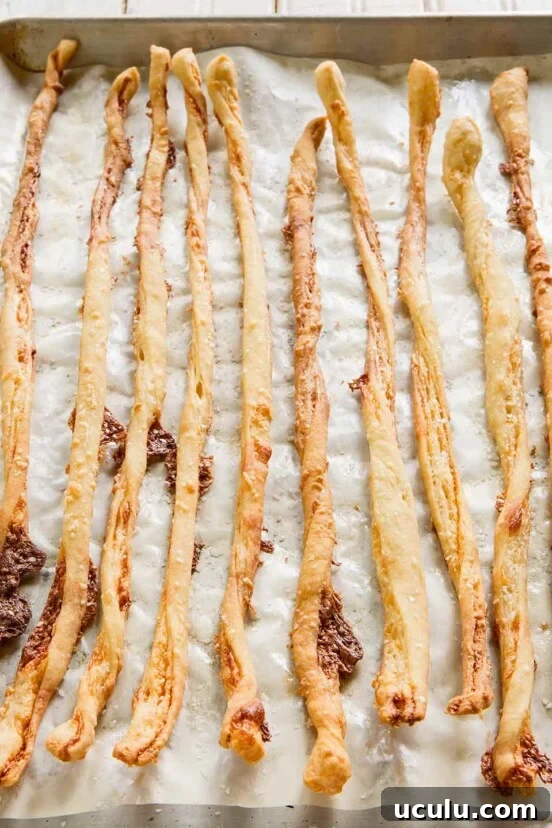
Crispy Cheese Sticks
5 hrs
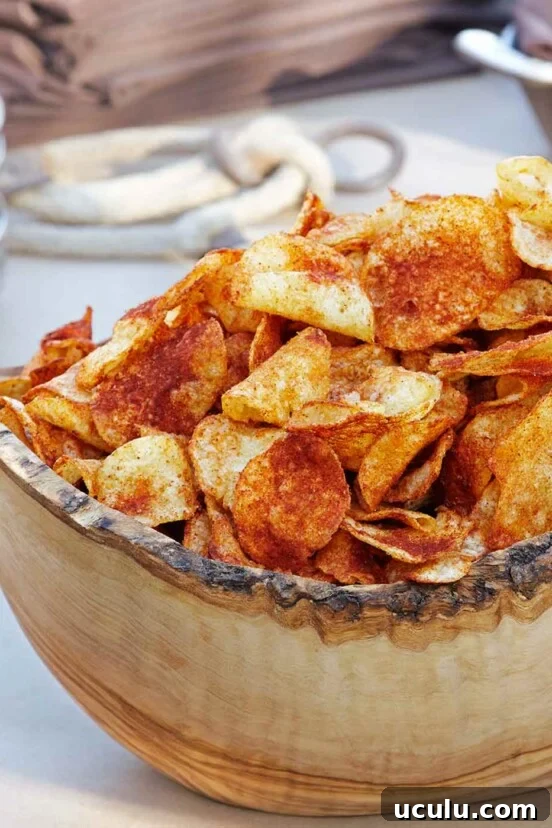
Barbecue Potato Chips
20 mins
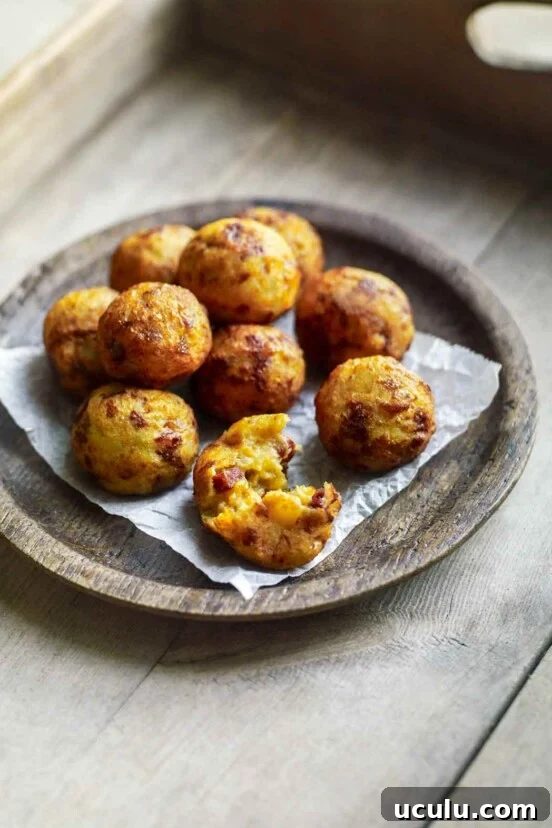
Chouriço and Potato Balls
1 hr 30 mins
Write a review
If you make these pretzels, please leave a review, star rating, and photo in the comments. I love hearing from readers. –David
Leave a Review!
Featured Review
Gorgeous, dark mahogany deliciousness! I’ve tried many pretzel recipes and this one is the best. Even the quick version captures the right color and flavor. The dough is easy to handle and the method is straightforward. They disappeared in minutes at a party — definitely worth making again.
Adam
Soft Pretzels
4.86 / 7 votes
CourseSnacks
CuisineGerman
Servings8servings
Calories233kcal
Prep Time1 hour 15 minutes
Cook Time8 hours 45 minutes
Total Time10 hours
Ingredients
2 1/4 teaspoons active dry yeast (one 1/4-ounce package)
1/2 cup warm water, plus more as needed (100° to 115°F / 38° to 45°C)
1 tablespoon barley malt syrup (or 1 tablespoon firmly packed dark brown sugar)
3 1/4 cups unbleached bread flour, plus more as needed
1/2 cup cold pilsner-style beer
2 tablespoons unsalted butter, cubed, at room temperature, plus more for the bowl
2 teaspoons fine sea salt (such as fleur de sel or sel gris)
1/4 cup baking soda
1 large egg yolk
1 tablespoon cold water
Coarse sea salt, poppy seeds, sesame seeds, or onion flakes, for topping
Instructions
Prep the dough
Start a day or at least 8 hours before baking to let the dough ferment slowly in the refrigerator. Slow fermentation builds deeper flavor; a quick option is possible but less flavorful.
The day before baking, sprinkle the yeast over the warm water in the mixer bowl or a large bowl. Add the barley malt syrup or brown sugar, stir to dissolve, and let the yeast foam for 5 to 7 minutes.
Stir in the bread flour, cold beer, unsalted butter, and fine sea salt until a shaggy mass forms. Knead with a dough hook on medium-low until the dough forms a smooth, firm ball, about 1 minute. If sticky, add flour 1 tablespoon at a time; if too dry, add water 1 teaspoon at a time.
Continue kneading until elastic, about 5 to 7 minutes total, by mixer or by hand on an unfloured surface.
Lightly butter a bowl large enough for the dough to double. Transfer the dough to the bowl.
For slow-rise pretzels: cover tightly with plastic wrap and refrigerate 8 to 24 hours. For quick pretzels: let rise at room temperature until doubled, about 1 1/2 hours.
Bake the baking soda
Preheat the oven to 250°F (150°C). Spread 1/4 cup baking soda on a rimmed aluminum pan or foil-lined sheet and bake 2 hours. The baking soda becomes more alkaline and will weigh slightly less when finished; you should still have about 1/4 cup baked baking soda.
Allow the baked baking soda to cool completely, then store in an airtight container until needed. If you plan to make pretzels often, bake a whole box at once; sift before use if it cakes.
Form the pretzels
Line two rimmed baking sheets with parchment. Turn the dough out and press to deflate.
Cut the dough into 8 equal pieces for classic pretzels. Work one piece at a time and keep the rest covered. Pat one piece into a rectangle, roll it into a tight log, pinch the seam, and roll into a rope by pressing and rolling from the center outward. When the rope resists and measures about 12–16 inches, set it aside to rest, then extend to 24–28 inches, keeping the center thicker and tapering the ends.
Form a U with the rope, cross the ends twice about 3 inches from the tips, fold them down, and press into the U so the ends tuck under slightly. Place the shaped pretzels on the prepared sheets, cover with a damp towel, and repeat.
Rise the shaped pretzels
Let the covered, shaped pretzels rise at warm room temperature until about 50% larger, 20–30 minutes. At this point they can be chilled tightly for up to 8 hours if needed.
Prep the oven
At least 20 minutes before baking, position racks in the upper and lower thirds of the oven and preheat to 500°F (260°C).
Make the pretzel bath
Use a large stainless-steel pot and add about 8 cups of water, leaving at least an inch or two from the rim. Add the baked baking soda and bring to a simmer. Avoid aluminum, copper, or nonstick cookware, which can react with the alkaline solution.
Dip the pretzels
Reduce heat to maintain a gentle simmer. Using a skimmer, immerse 1–2 pretzels at a time for about 20 seconds, turning once after 10 seconds. Drain and return to the baking sheets, spacing at least 1 inch apart. If ends separate, press them back together.
Score and brush
Use a sharp paring knife or new razor blade to make a shallow ~1/4-inch slit in the thickest part to allow steam to escape.
Beat the egg yolk with cold water and brush lightly over each pretzel for a glossy finish. Add coarse salt or other toppings as desired. Tip: if you plan to store pretzels, salt only those you will eat the same day to avoid dissolved, soggy salt spots during storage.
Bake and store
Bake until deep mahogany, about 8–12 minutes, rotating pans halfway through to ensure even color.
Transfer to a wire rack and cool 10 minutes before serving. Pretzels are best the day they’re made. At room temperature and uncovered they keep about 12 hours; in an airtight container or wrapped, they stay for up to 2 days. Freeze tightly wrapped for up to 1 month and reheat at 350°F (180°C) for 5 minutes (10–12 minutes if frozen).
Notes
Pretzel Variation
New York–Style Soft Pretzels: For larger, plumper pretzels, divide the dough into six portions and shape each into a 36-inch rope without tapering the ends. Proceed as instructed; yields 6.
Pretzel Bites: For bite-size snacks, make a half batch: 1 1/2 teaspoons yeast, 1/4 cup warm water, 1 1/2 teaspoons barley malt syrup or brown sugar, 1 1/2 cups plus 2 tablespoons (210 g) bread flour, 1/4 cup pilsner beer, 1 tablespoon unsalted butter, and 1 teaspoon fine sea salt. Divide into eight portions, roll each to 12 inches, cut into 1-inch pieces, dip in the baking-soda bath in batches, and reduce bake time to 6–9 minutes. Makes roughly 8 dozen.
Pretzel Knots: Divide dough into 12 portions, roll each to 12 inches with slightly tapered ends, tie a loose knot, and bake as directed without slashing. Makes 12.
Pretzel Rolls: Divide into 12 portions. Pat each into a 4-inch circle, fold edges to the center, pinch seams, turn seam-side down, and roll to smooth. Slash a deep cross on top before baking. Makes 12.
Nutrition information is automatically calculated and should be used as an approximation.
Tried this recipe?Tag your photos with #leitesculinaria to share your results.
Recipe Testers’ Reviews
Not all recipes pass our rigorous blind testing. This one did and earned the Leite’s Culinaria seal of approval — see testers’ comments below.
I’ve tried many soft pretzel recipes and this solved the problem — dark, shiny pretzels with great flavor. I used brown sugar instead of malt, doubled the batch, and made pretzel buns. A great recipe.
The recipe is detailed but easy to follow. I did the slow fermentation and the pretzels were very tasty with a deep, developed flavor. Maldon flakes made a lovely finish.
I’ve made bretzeln for years and decided to try beer in the dough. The pretzels were deep mahogany and tasty. I refrigerated the dough 24 hours and used a lye solution successfully, but the baked baking soda method works well too.
This was worth the effort. Rolling ropes took practice, but the instructions and results were rewarding. I used dark brown sugar with good results.
The pretzels turned out beautifully — brown, chewy inside, and slightly crunchy outside. The baking-soda method was easy and effective.